THE FUBUKI STORY
How Japanese work boots turned into a fashion statement.
Industry Report
Words by: Matthew Tufts
You probably remember if you’ve seen Fubuki boots in the wild.
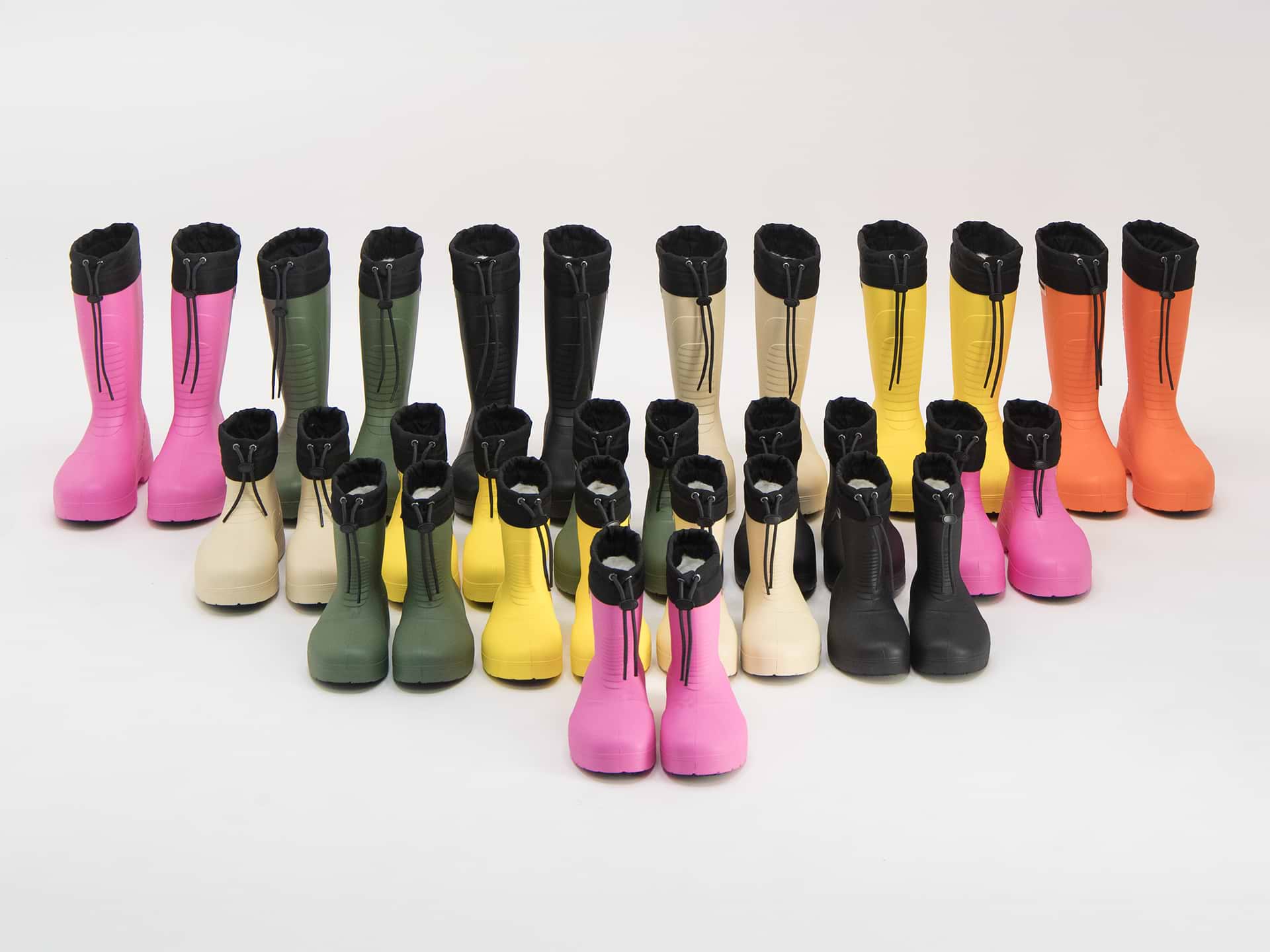
You might have been struck by their bright colours — orange, pink, green, and yellow — perhaps feeling either excitement or surprise. These aren’t your ordinary rubber winter work boots, which explains why the founders aren’t your typical businessmen.
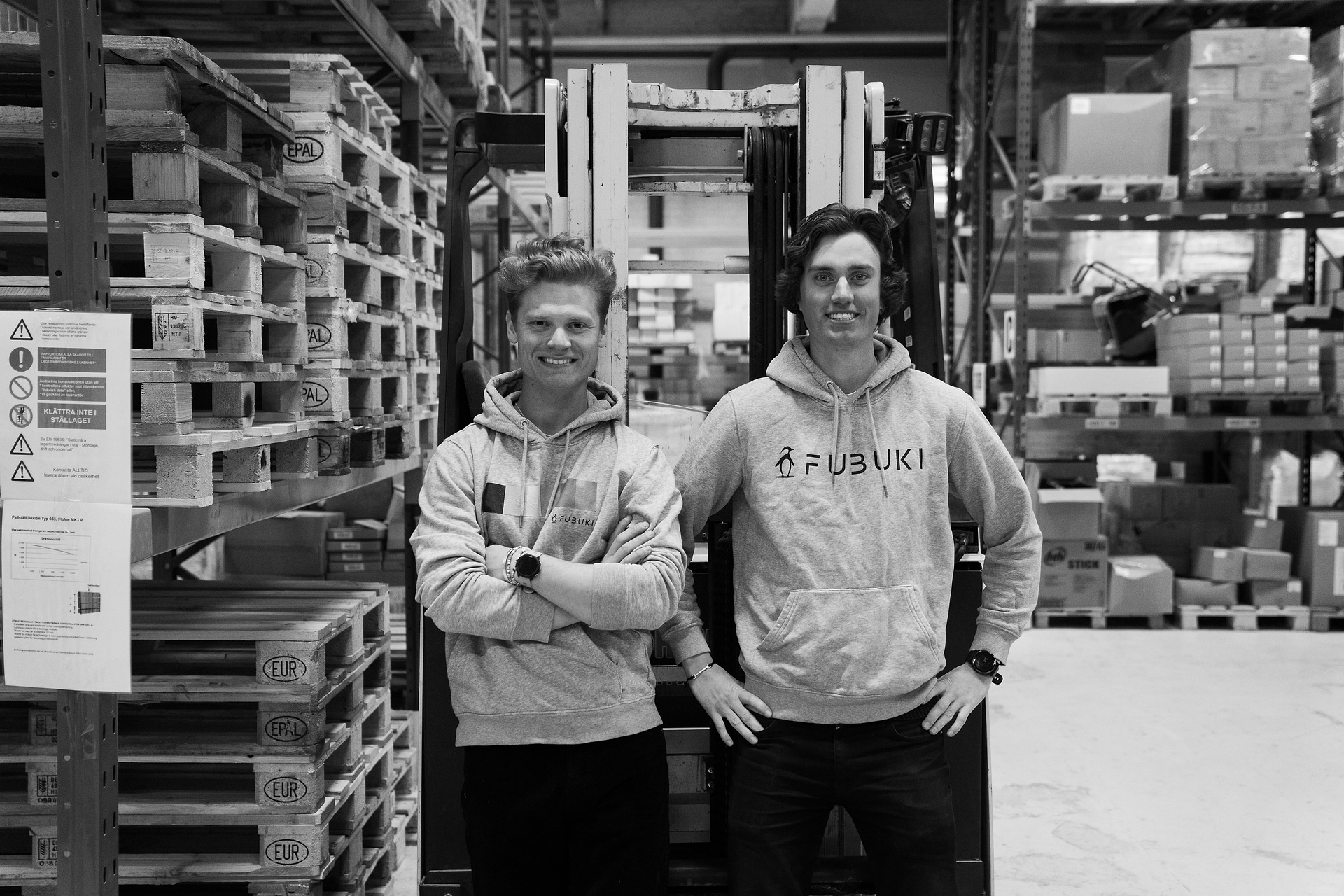
Despite its widespread global marketing and a prominent visual identity among snowsports industry professionals across Europe, North America, and Australia, many are surprised to learn that Fubuki is entirely managed by founders Kalle Norman and Christofer Ljunggren, two Swedes still in their twenties.
Fubuki friend and content creator, Ebba Forsgren on her most recent ski & sail adventure in Greenland.
Video by Ebba Forsgren
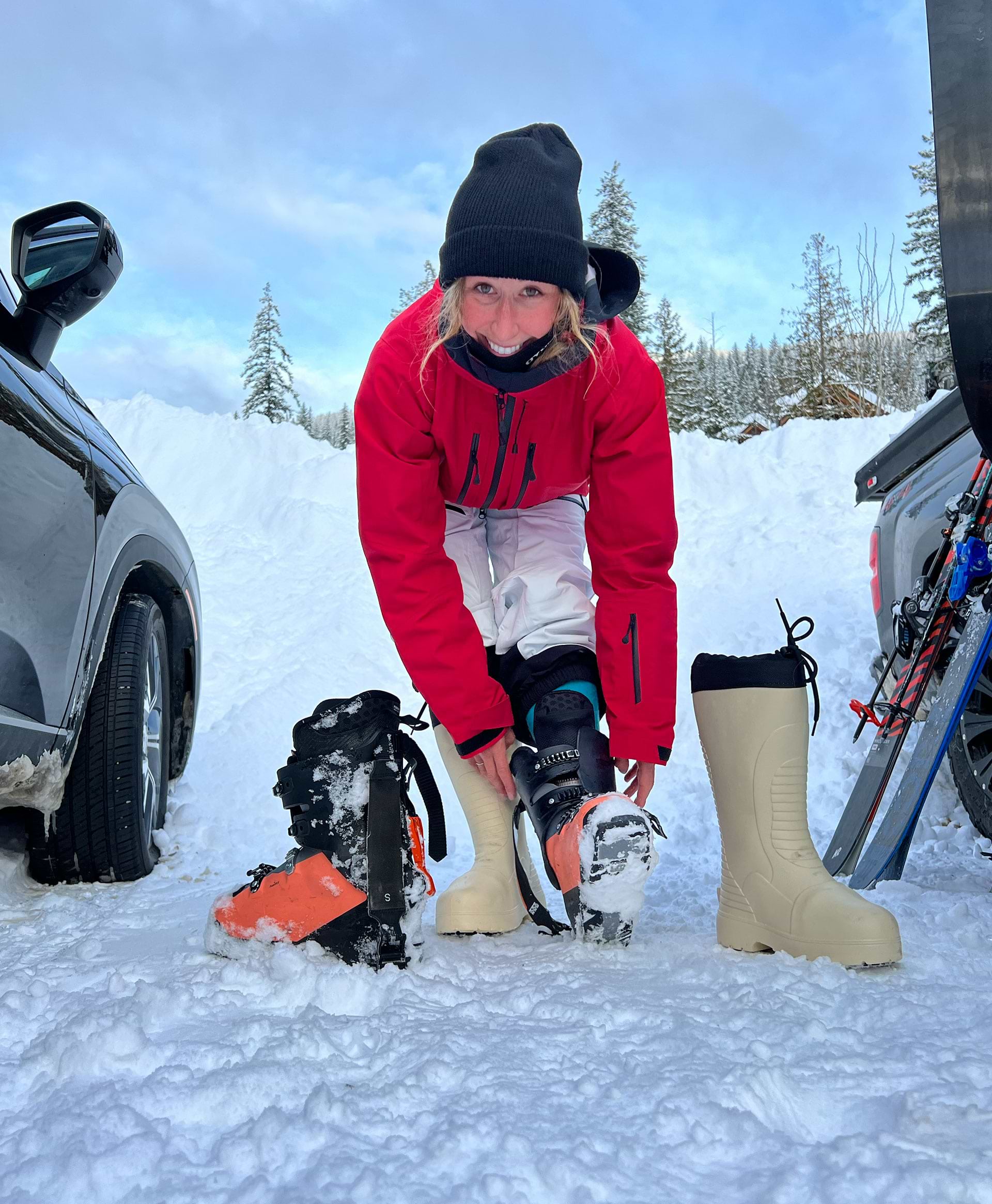
No wonder Anna Segal is so happy – her Fubuki’s come in handy after a long day in the ski boots.
Photo by Mattias Fredriksson
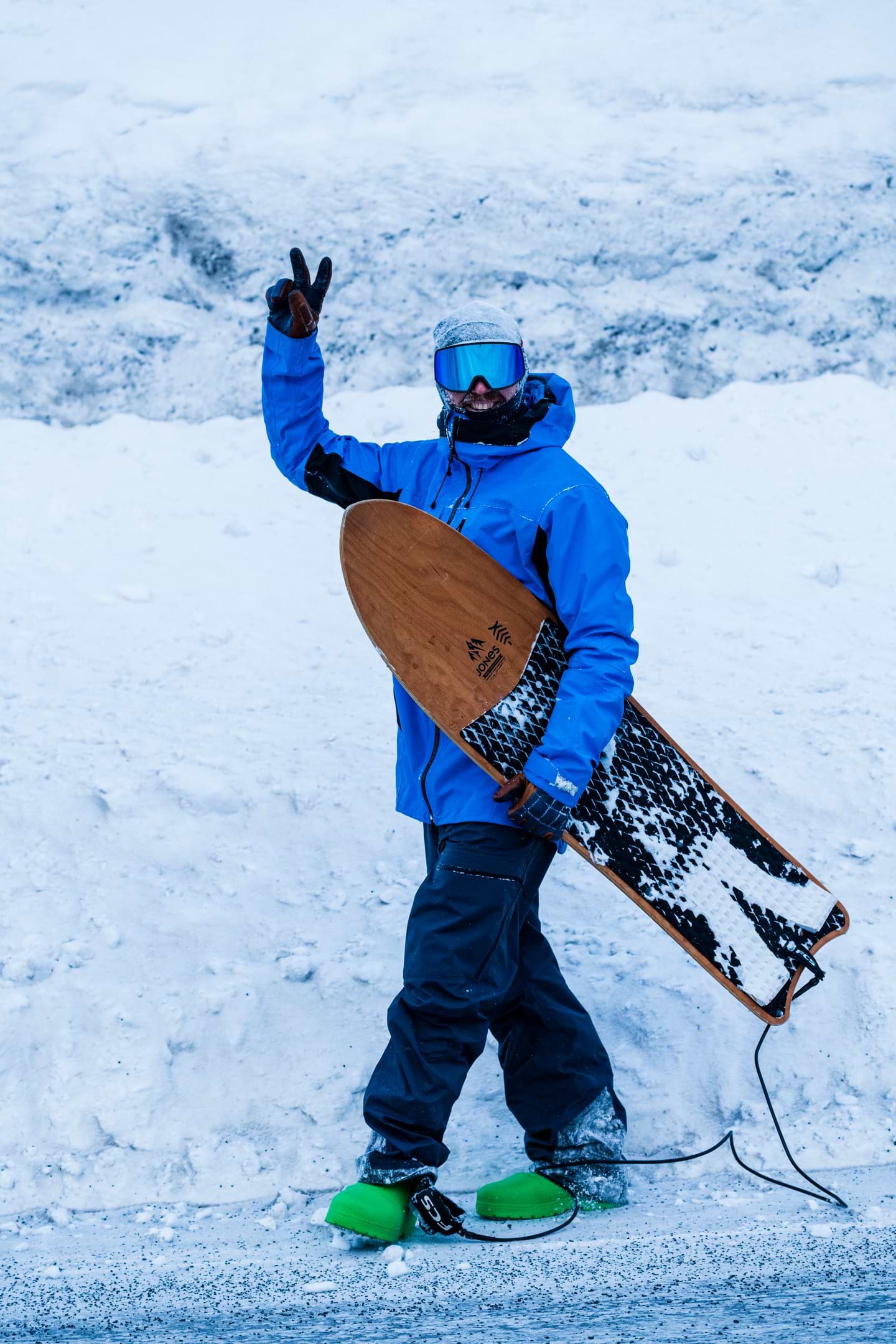
David Kantermo is having fun with his noboard on a trip to central Hokkaido. But what happened with the colour matching?
Photo by Mattias Fredriksson
And no, it’s not just managed by these two.
Norman and Ljunggren, who have been friends since childhood, still handle everything, from product design to fulfilling wholesale orders to marketing and customer service.
Before Norman found himself stacking pallets of boots in his student apartment, he went on a ski trip to one of the snowiest places on Earth: Hokkaido, Japan. In fact, the Japanese language uses over 100 words to describe snow. Fubuki translates to “snowstorm”, and it’s fitting that, on a stormy day while skiing overhead pow, Norman discovered the unique, orange, unbranded, waterproof winter boots that all the lifties and locals wore. Since their inception, these boots have been designed for individuals who spend all day — and often much of their lives — on snow.



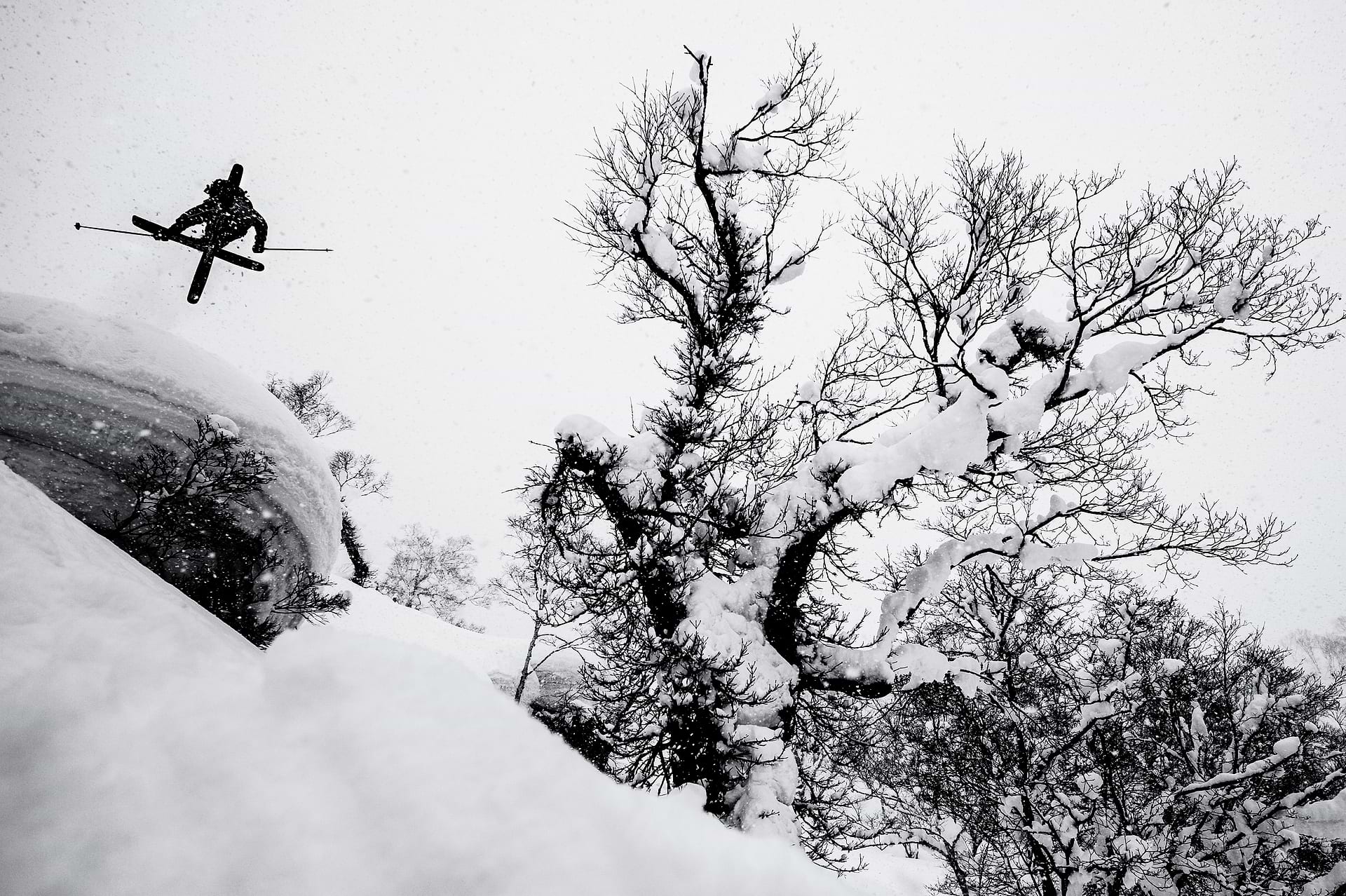
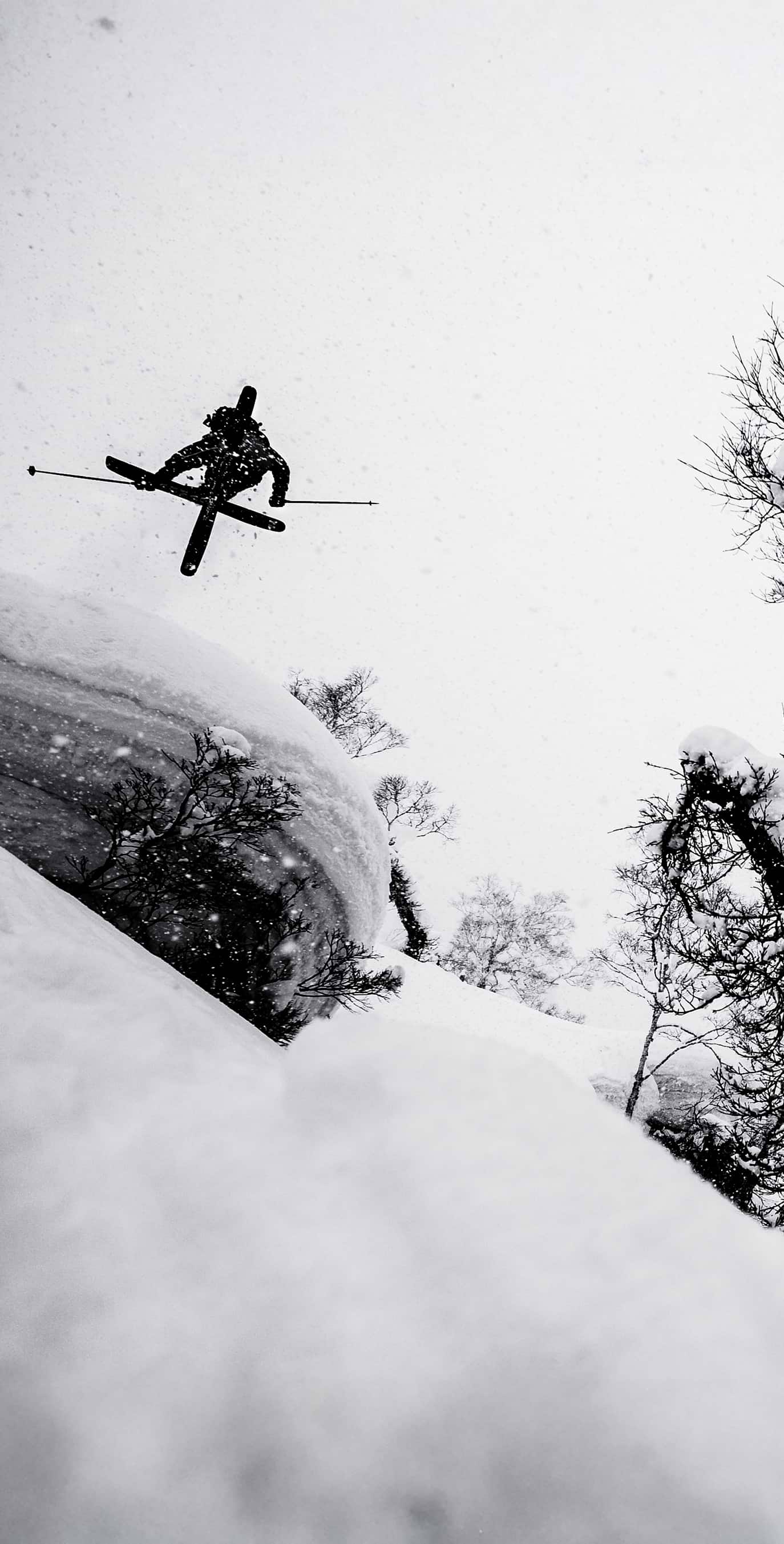
This was the humble origin of Fubuki,
even though neither the company nor the brand name existed at that time. Hidden in plain sight, on the feet of every grounded local in the snowiest place on Earth, stood two core principles that would shape Fubuki.
1.Durable, warm, waterproof boots should not be boring.
2.Durable, warm, waterproof boots should not be heavy.
Norman picked up several pairs of the orange, lightweight, working man’s boots at a small, unassuming shop just outside Niseko and returned to Stockholm, unaware of the stir his discovery would cause.
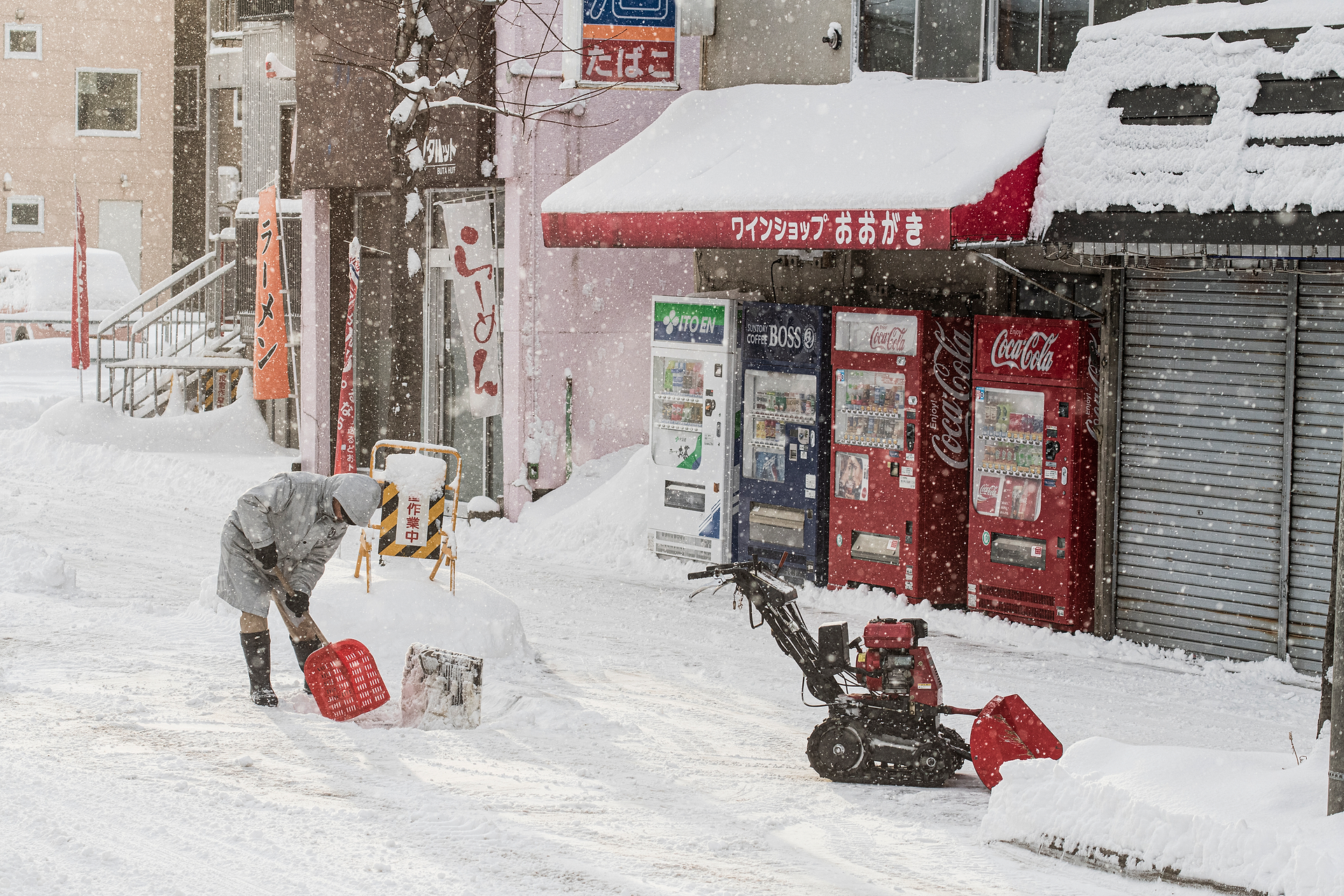
While ski bumming in Hokkaido, Norman discovered unbranded, waterproof winter boots that lift operators and locals wore. That was the inception of Fubuki.
Photo by Mattias Fredriksson
While ski bumming in Hokkaido, Norman discovered unbranded, waterproof winter boots that lift operators and locals wore. That was the inception of Fubuki.
Photo by Mattias Fredriksson
Norman’s ten-minute walk to campus drew more than 20 people’s attention to his boots.
His father just took a pair for himself. Clearly, everyone Norman met wanted a pair. He quickly contacted the distributor and then the factory in Japan that made the boots, ordering another hundred pairs. The only person not immediately enthusiastic about the boots was his girlfriend, who shared a 320-square-foot apartment with him. Her “third roommate” soon became a 100-square-foot stack of boot boxes.
Norman sold limited sizes of unbranded boots at local markets. However, it was his best friend, Christofer Ljunggren, who two years later recognized the potential of the emerging business as a creative outlet for his passion for design and branding. The friends formed a partnership while studying full-time in different cities. With Ljunggren handling the creative direction, refining the design and brand identity, and Norman focusing on the finances, the new product was prepared for the global market.
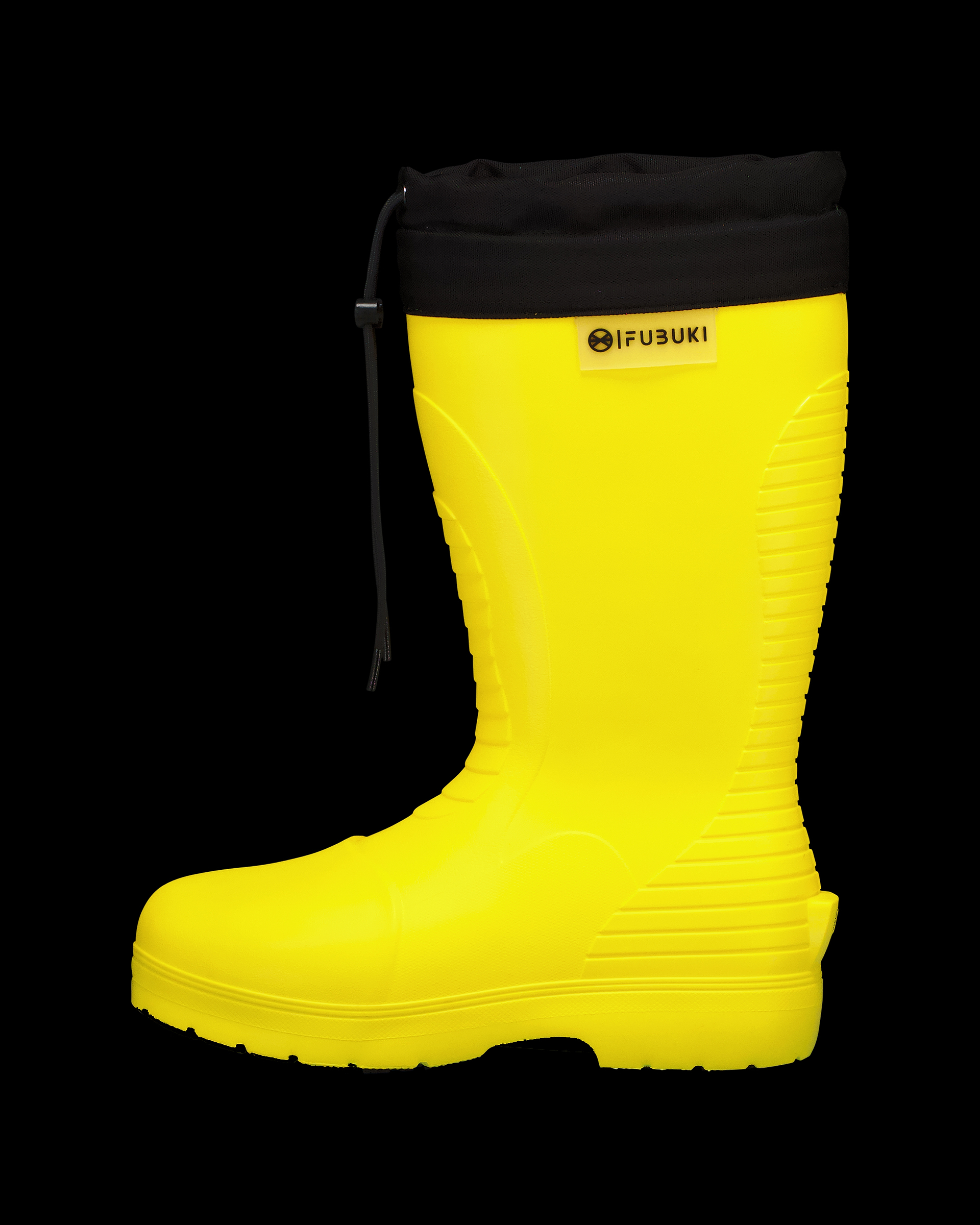
Fubukis ethos is simple:
Durable, warm, waterproof boots should not be boring or heavy.

Since Fubuki was founded, it’s safe to say the warehouse has outgrown Kalle Norman’s student apartment. Photo by Axel Mazeti
Fubuki officially launched in 2019 and immediately faced two significant obstacles that neither the founders could have anticipated.
First, a typhoon flooded the facility in Fukuyama, Japan, where the boots were produced. Sadly, the factory had no plans to rebuild or continue making the boots, but fortunately, they shared the design sketches with the Swedes. This positive development allowed the two founders to refine the designs and contract a new manufacturer to produce the boots with Fubuki’s improved measurements, styling, and details.
The 100 pairs of boots originally imported by Norman were soon overshadowed by a limited run of 1,100 newly designed, Fubuki-branded pairs, and it seemed the company was on the right track. But then the COVID-19 pandemic hit, and everything came to a sudden halt. With global markets and supply chains at a standstill, the two founders had to take corporate jobs while trying to keep their newly launched business afloat.
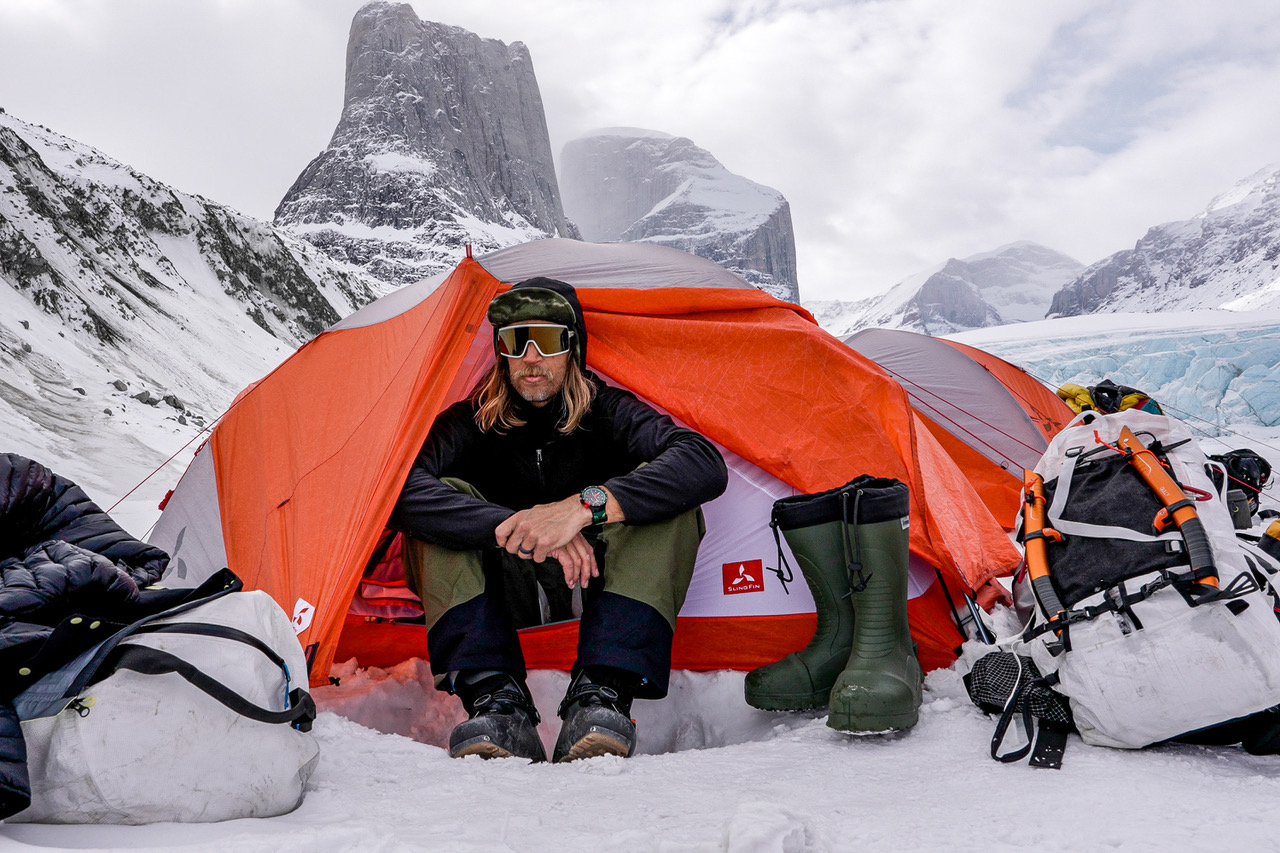
Even Cody Townsend wears them! If the Fubuki boots perform well in the conditions on the Baffin Islands, they'll likely work anywhere.
Photo by Bjarne Sahlén for the Fitty Project.
Even Cody Townsend wears them! If the Fubuki boots perform well in the conditions on the Baffin Islands, they'll likely work anywhere.
Photo by Bjarne Sahlén for the Fitty Project.
While the situation seemed dire in the early months of the pandemic, news of the boots spread subtly in ski towns around the world.
A few well-known athletes and photographers were spotted wearing funky, colourful boots with the penguin logo, drawing the attention of mountain communities.
Soon, Ljunggren started receiving more calls about Fubuki than about his regular job while at his corporate office. It became apparent that Fubuki was no longer just a side hustle but a thriving business demanding the founders’ full-time attention. In 2021, Fubuki produced 10,000 pairs — they sold out before the season ended. In 2022, they more than doubled that number; in 2023, they doubled production again, and this trend has held ever since. Most recently, Fubuki launched an updated version of both its original snow boot and a lower-profile model, along with an insulated outdoor slipper. It also introduced a summer collection that features a non-insulated, superlight rubber boot.
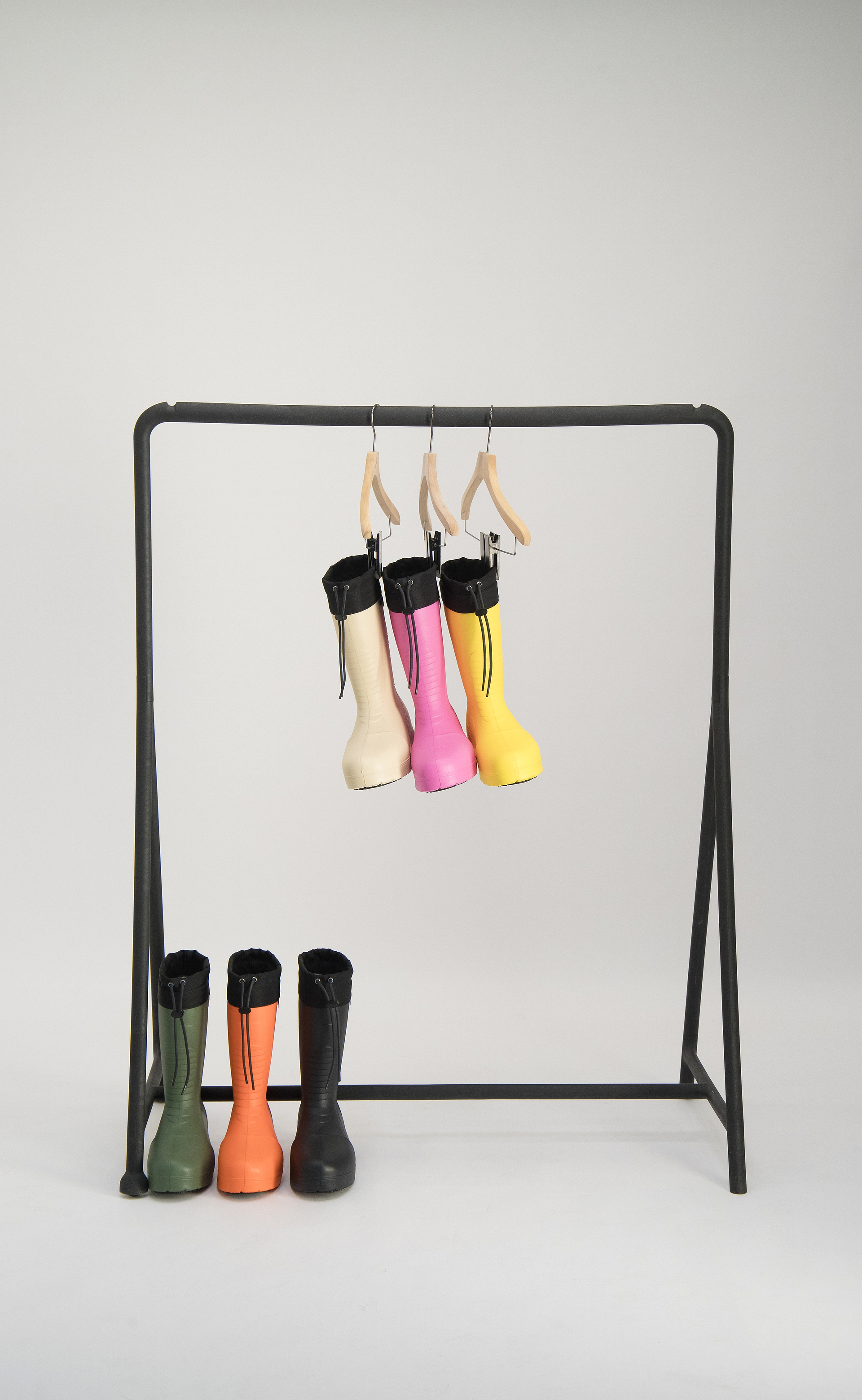
Fubuki’s can be found in both outdoor shops and high-end department stores, but their origins are firmly rooted in skiing.
Ebba Forsgren travelled to Greenland with her friends, and their Fubukis were crucial equipment for this ski-and-sail adventure. Filmed by Luke Jarmey
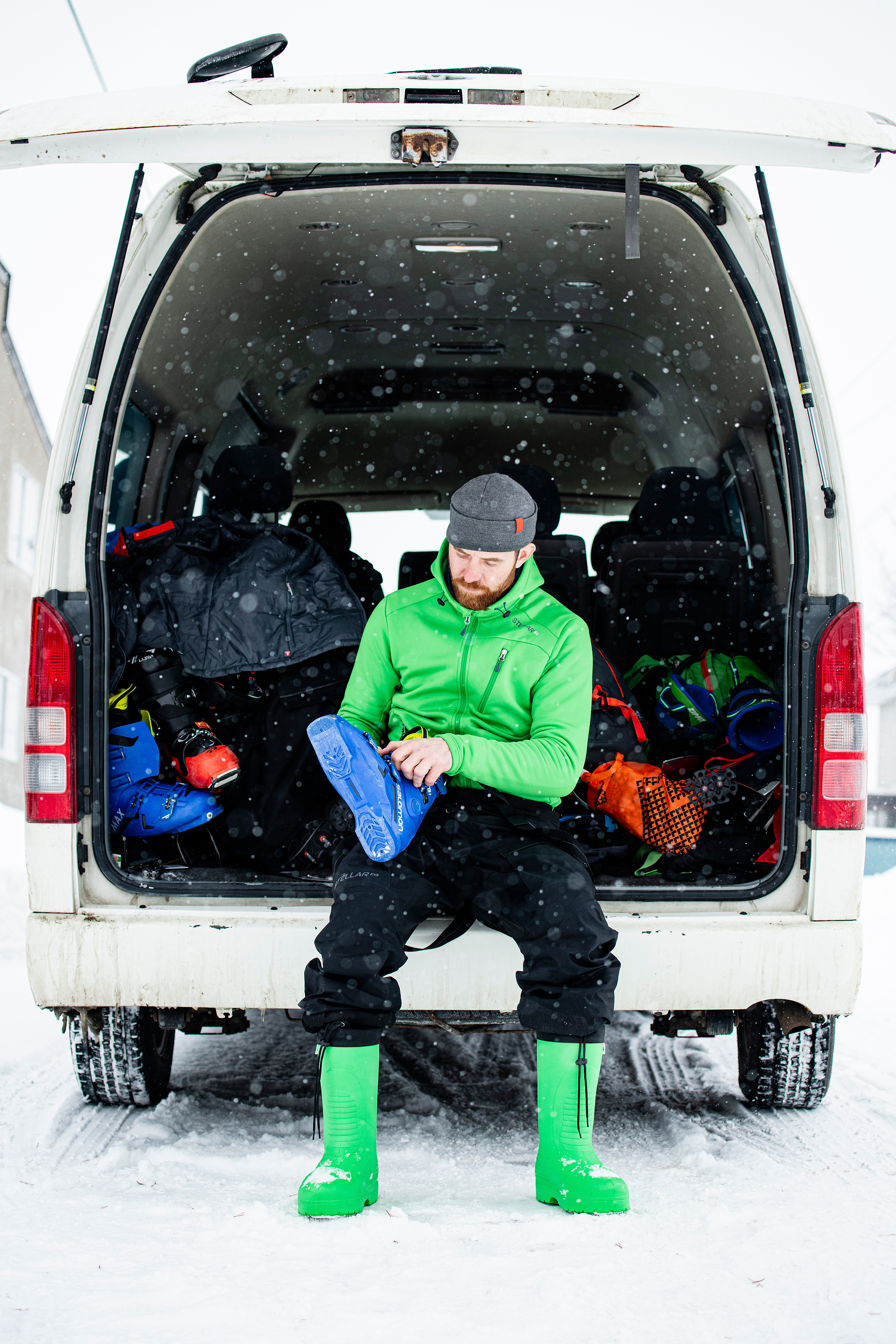
Stellar Equipment’s own mountain yoda, David Kantermo, is a Fubuki fan. Photo by Mattias Fredriksson
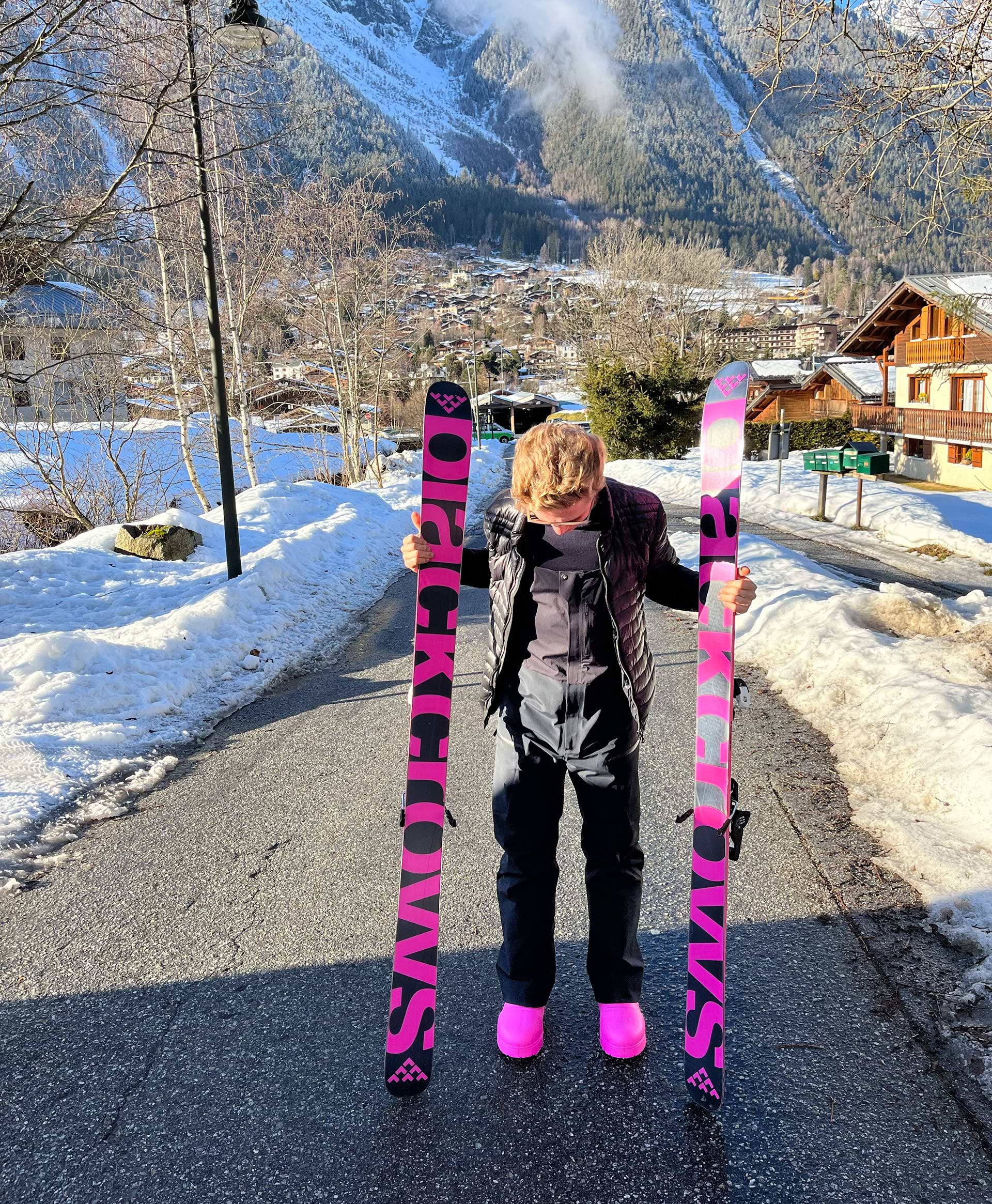
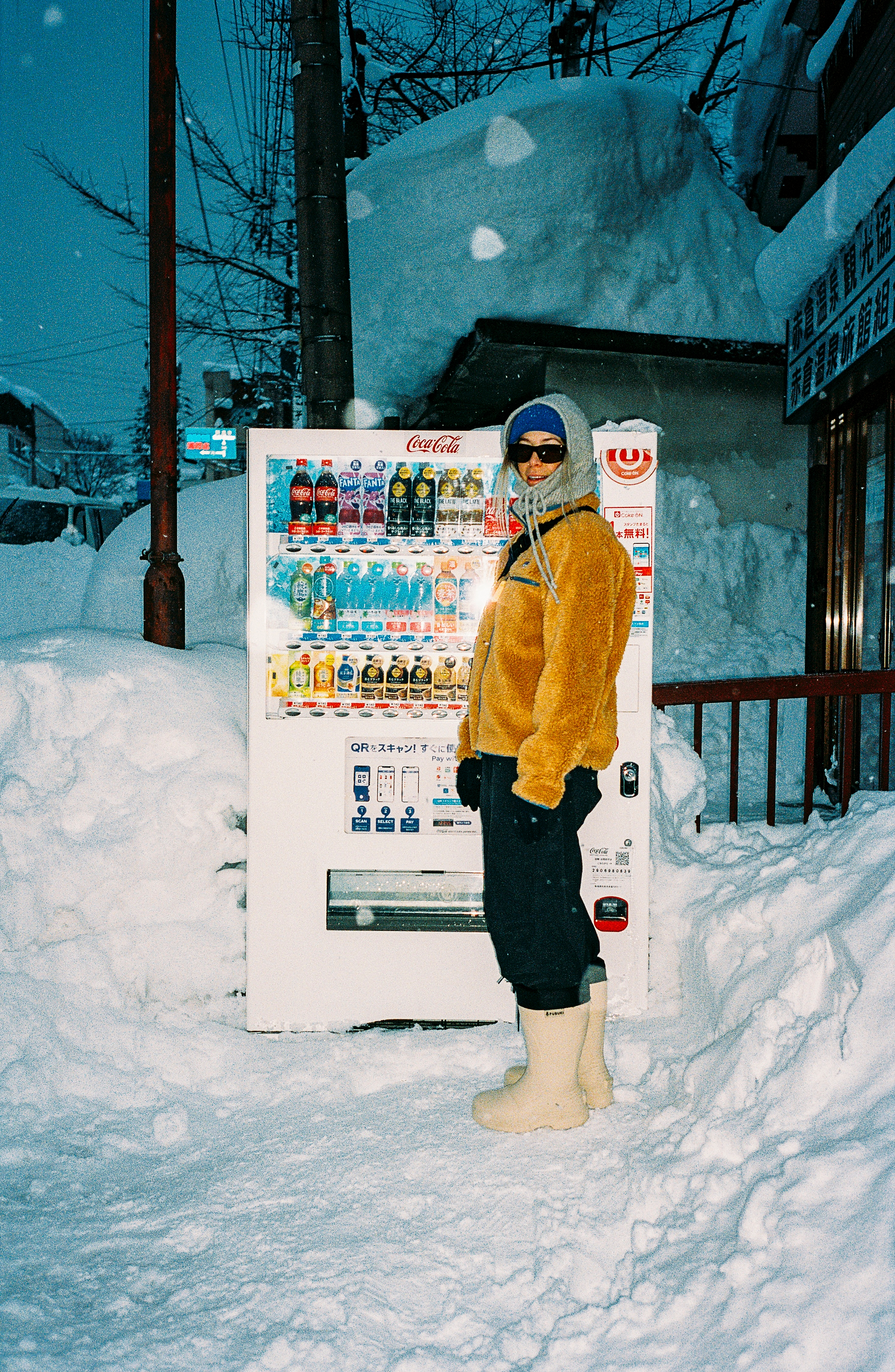
Over time, Fubuki has become a fashion statement. Photo by Kalle Norman
However,
Norman and Ljunggren are not typical PowerPoint people (there’s a reason they launched a boot company rather than pursuing careers in finance after business school). Fubuki offers a tangible outlet, growing and challenging them every day. It connects the two friends to the soul of the outdoor industry and allows them to work and live within the global mountain community. Norman and Ljunggren are entrepreneurs, creatives, and small business owners, but above all, they are skiers.
The founders say Fubuki was created as an alternative for the snow-loving community. Skiers have long been rebellious nonconformists. In a world where being tough and resistant often means being rigid and dull, Norman and Ljunggren are nurturing something that offers an off-piste route for those who embrace colourful personal expression on winter’s blank canvas.
They also hope their small venture will allow them to ski more, but to do so, they may need to hire someone to help with the bookkeeping.

MATTHEW TUFTS is a journalist and photographer focused on the intersection of outdoor recreation, environmental conservation, and rural communities. He’s a born n’ raised Vermonter (the “t” is silent), and skis uphill more than down.
MATTHEW TUFTS is a journalist and photographer focused on the intersection of outdoor recreation, environmental conservation, and rural communities. He’s a born n’ raised Vermonter (the “t” is silent), and skis uphill more than down.
RELATED STORIES