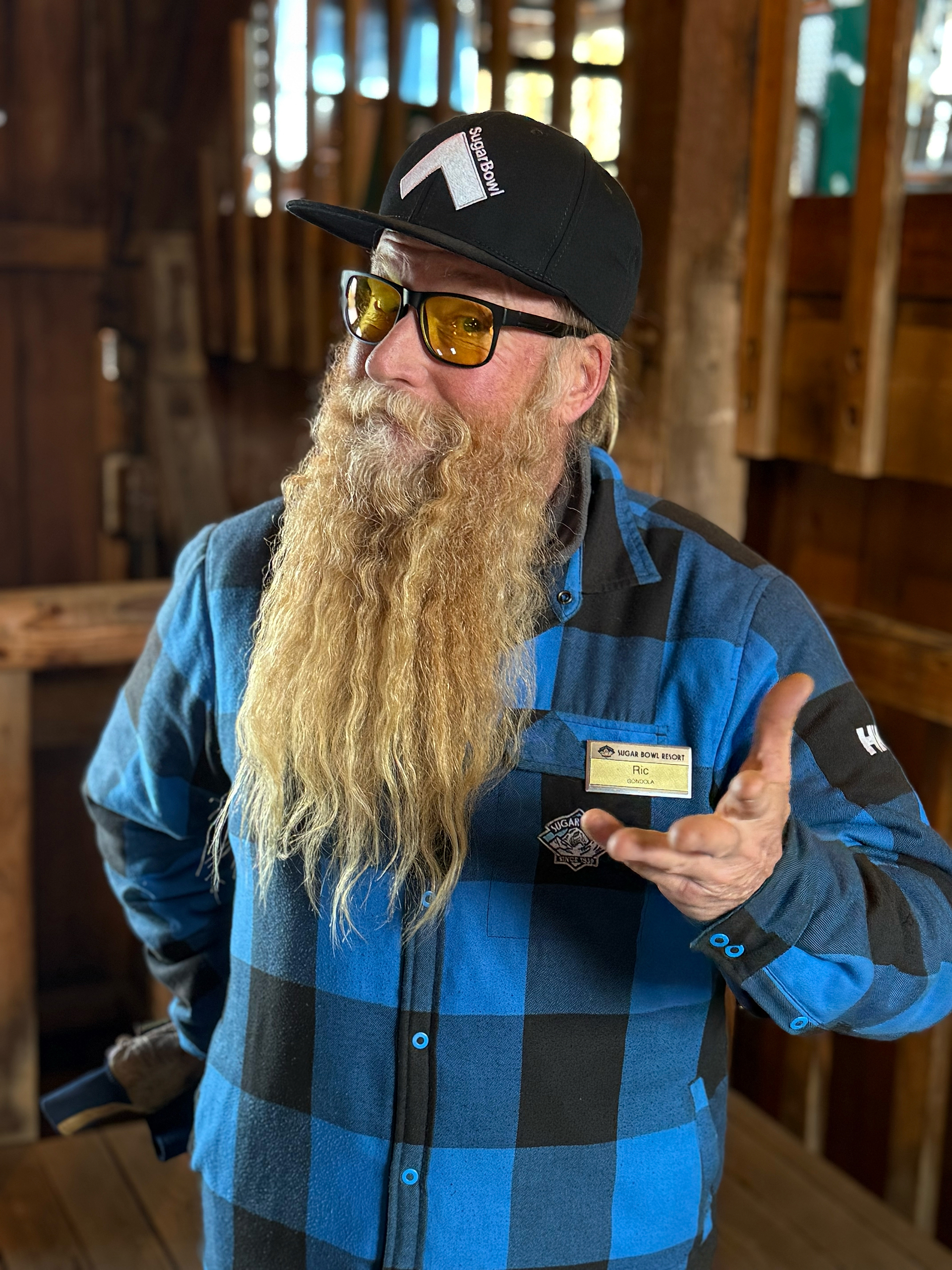
If you park on Donner Pass Road and take the gondola to the base area of Sugar Bowl, you'll be greeted by Gondola-Ric, a living legend at the resort.
Have you ever heard of Sugar Bowl?
Me neither, until quite recently. But now, it’s one of my absolute favourite small ski resorts.
California shaped me as a skier in the late 1990s. How long was I there — months, maybe years? I honestly don’t know, but it changed my skiing forever. In Palisades Tahoe (then Squaw Valley) and later Mammoth Mountain, modern freeskiing was evolving at warp speed — driven by the snowboard boom’s no-limits mindset — and I got to be a small part of it. It was a melting pot of American ski culture and West Coast freedom. A stage for chaos, where every new line was wilder and more irreverent than the last. The sun was shining, the snow was dumping, the beers were flowing — rules didn’t apply, and nothing felt impossible. Since then, I’ve been back a few times, but felt the spark had faded, some of that rare, small-scale magic lost.
Then I found Sugar Bowl.
If you park on Donner Pass Road and take the gondola to the base area of Sugar Bowl, you'll be greeted by Gondola-Ric, a living legend at the resort.
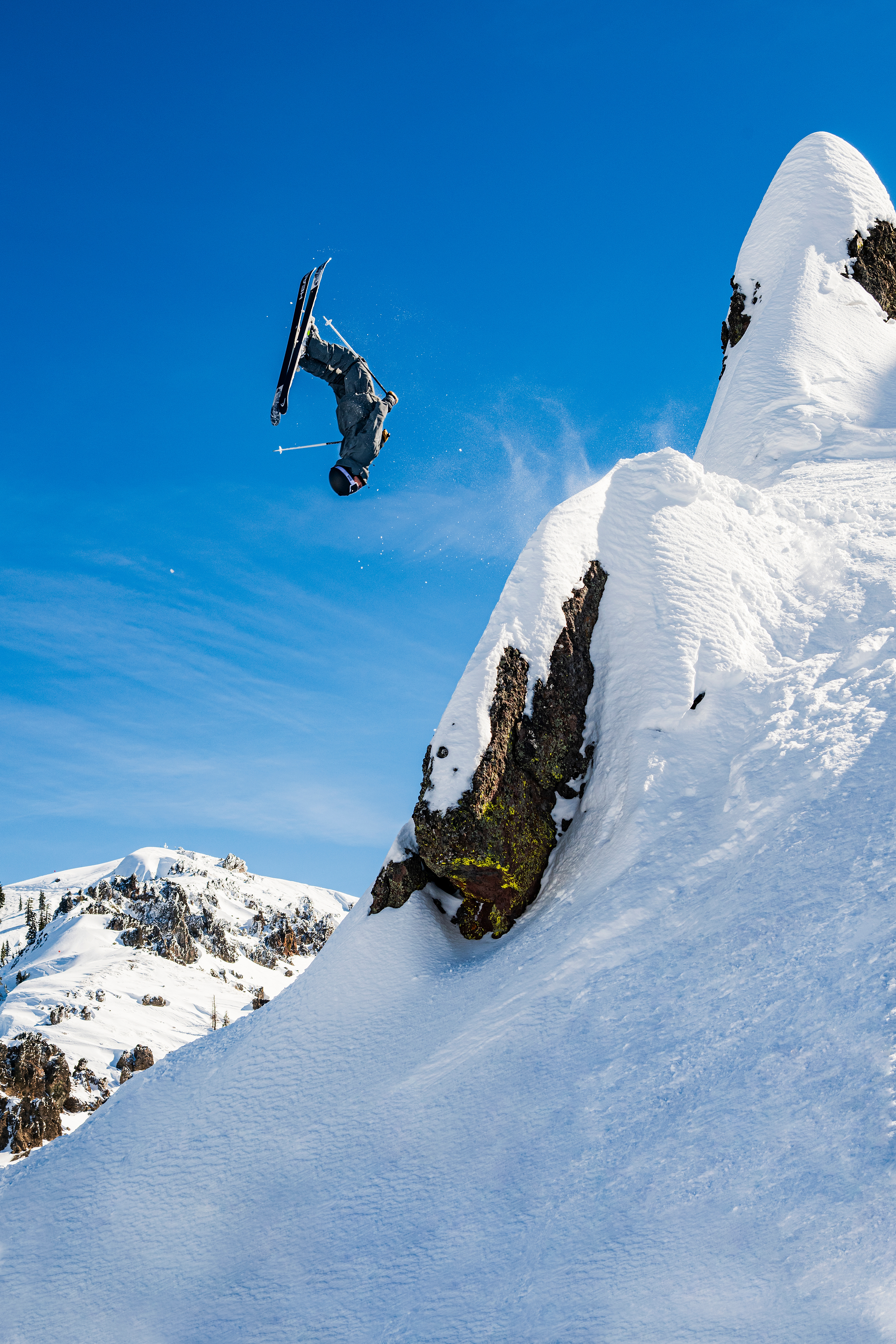
Local pro skier and Stellar Equipment ambassador Xander Guldman grew up skiing at Sugar Bowl, and to this day, it remains his favourite resort.
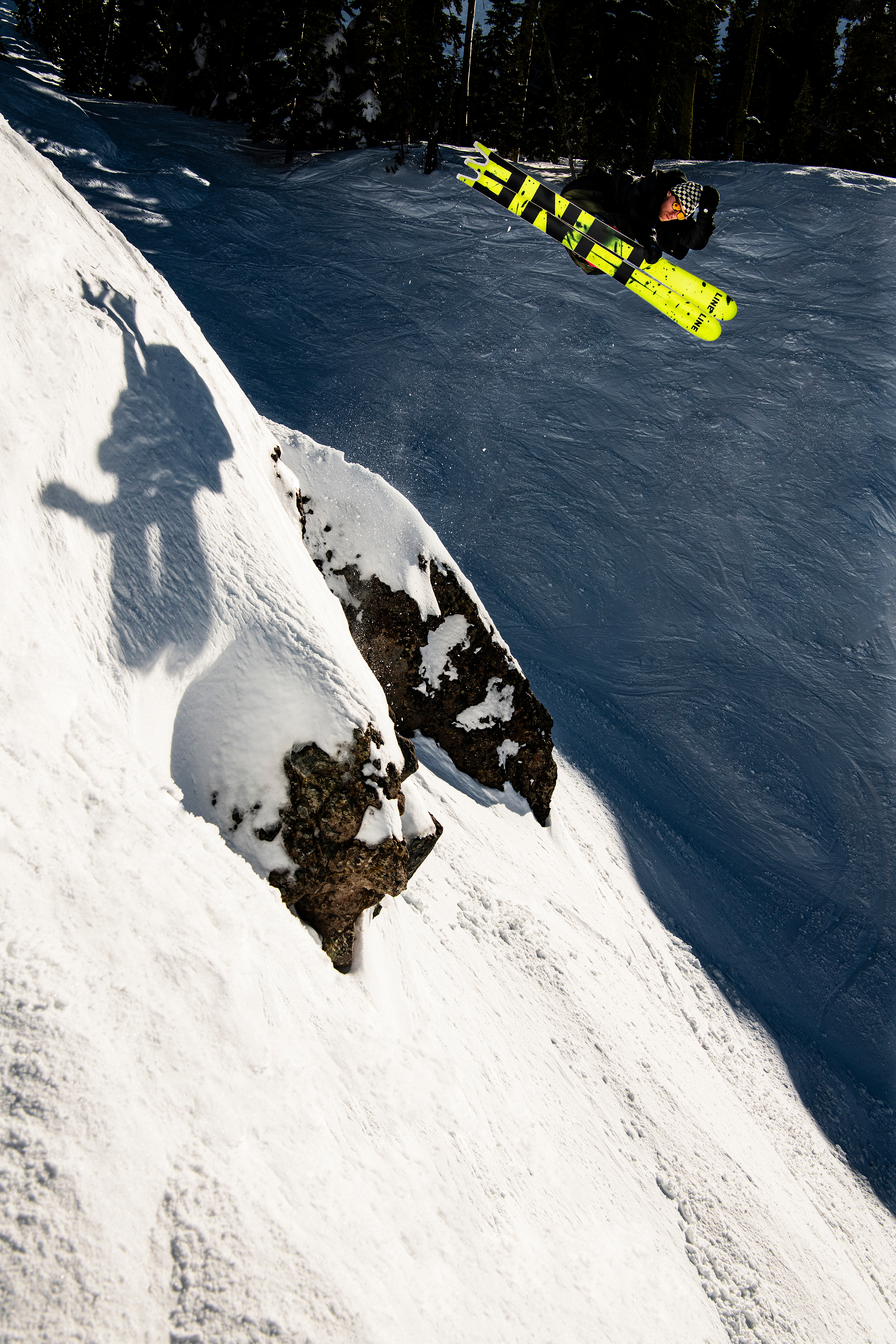
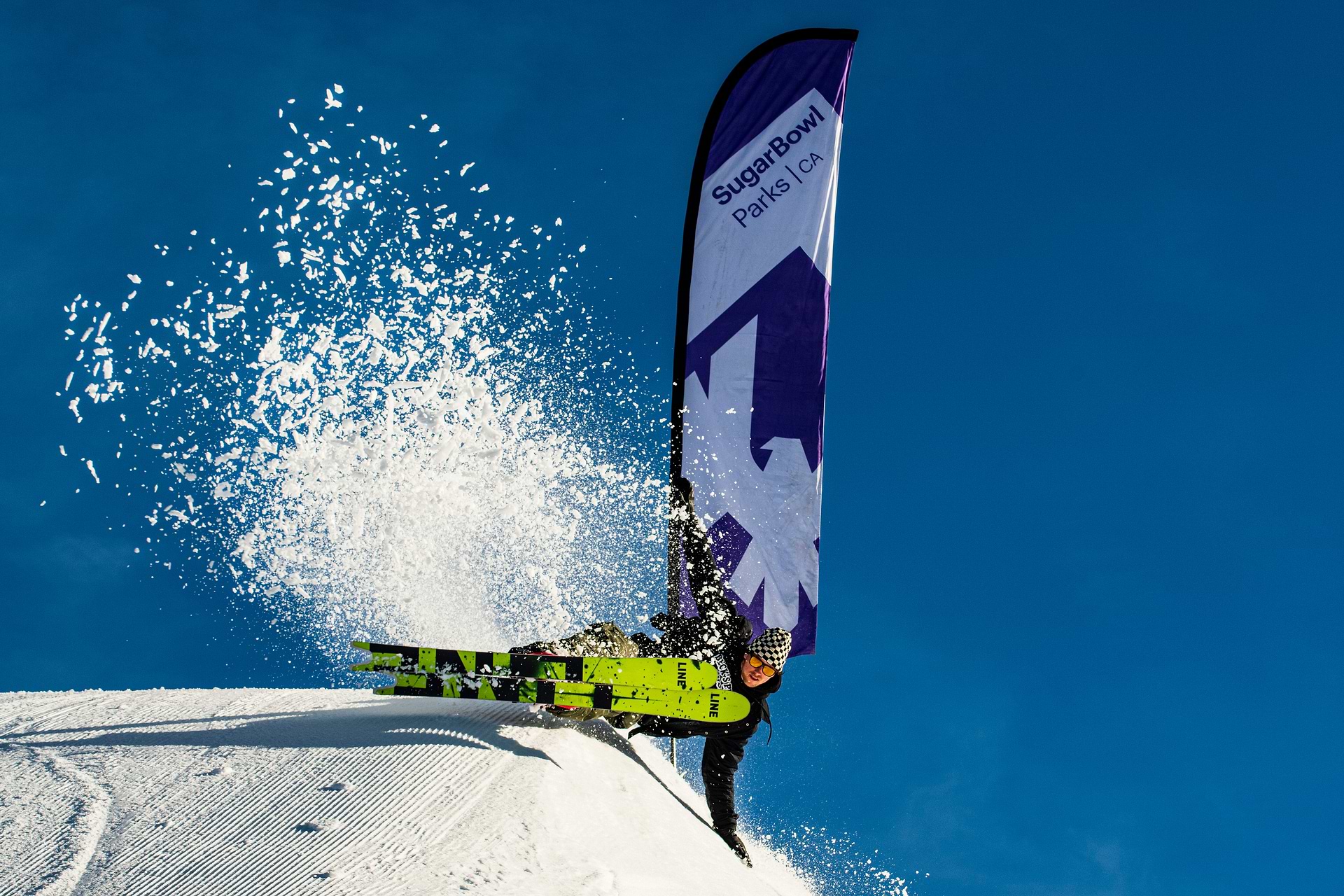
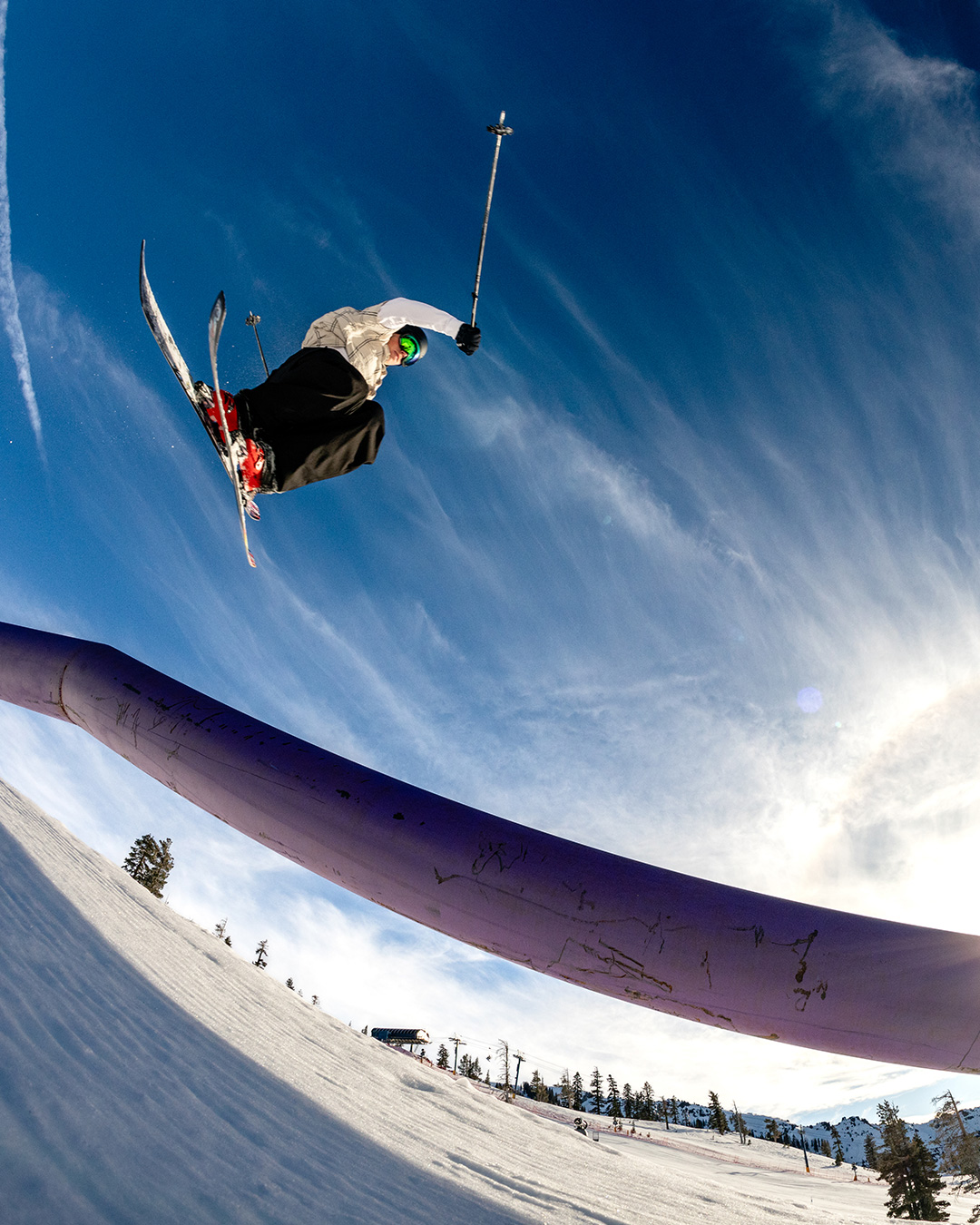
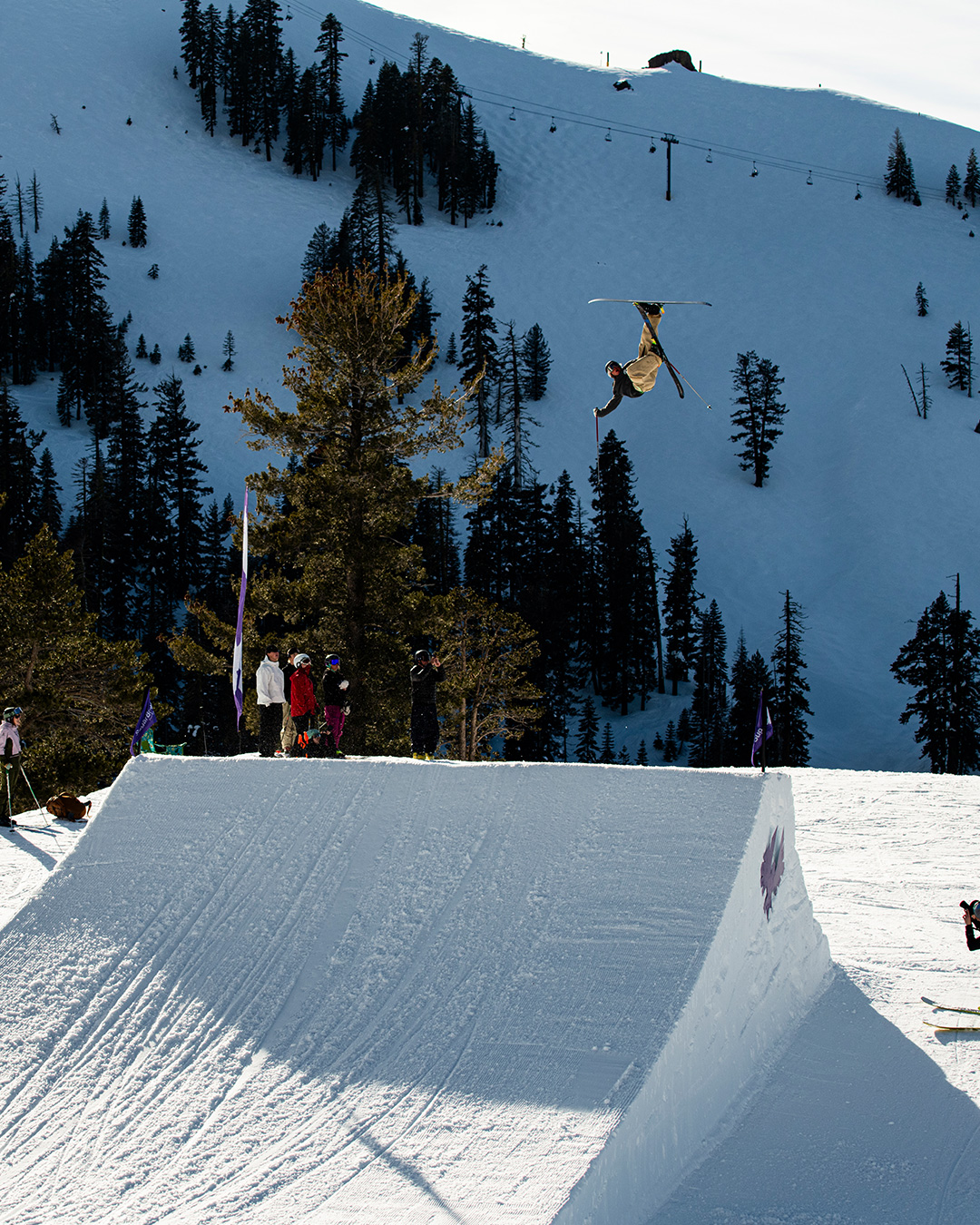
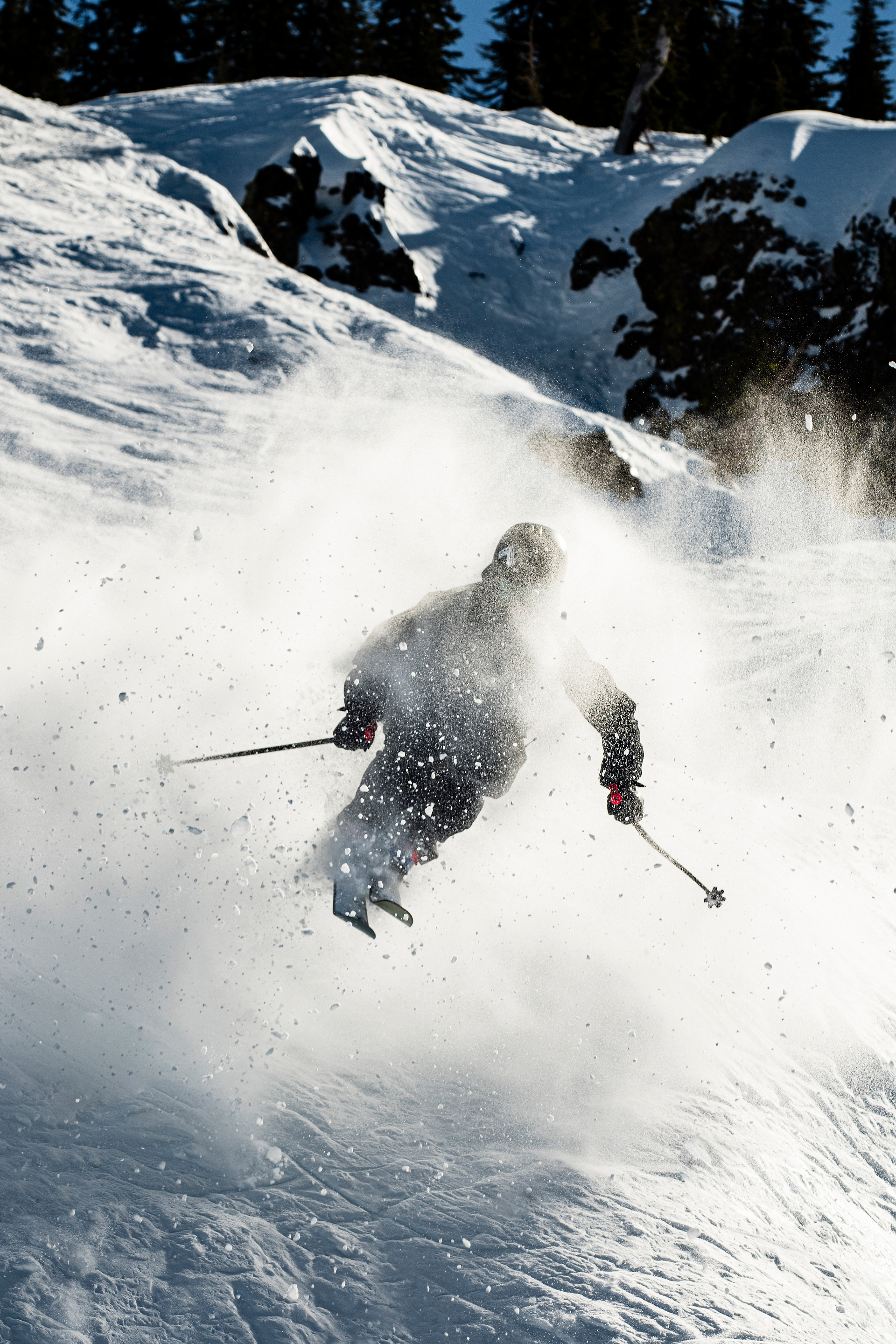
The terrain at Sugar Bowl is dynamic and playful, and Dylan Siggers made perfect use of it with his creative ski style.
The Silver Belt Classic is an event that turns heads. Learn more about it in the story. (@smb_tahoe)
You could already feel it on the drive up Old Highway 40 from Truckee and Donner Lake, as the road climbed through railway tunnels built by Chinese labourers in the 1800s, winding toward Donner Pass. One of the most mythologized locations in American westward expansion, the pass’s deep snows stranded the Donner party’s wagon train of settlers in winter 1846, where, in a desperate attempt to survive, they turned to cannibalism. Today, you zip past those same cliffs with snacks in your pack and skis on the roof. Then you see the resort.
The Sugar Bowl base village is something out of a storybook. No cars. You either park at the pass and take a classic (soon-to-be-upgraded) gondola over the valley, or park below and walk in. Between the trees sit a scattering of A-frame cabins and chalets, some historic, some new, all buried under knee-high drifts swallowing porches, shutters and walking paths. The gondola glides straight through the village. Kids tow sleds past the Sporthaus. Guests stay at The Lodge, a ski-in/ski-out inn from the 1930s that’s equal parts rustic and quirky — more Wes Anderson than corporate machinery. It’s a dreamlike contrast to what most ski resorts have become.
Of course, that’s kind of the point.
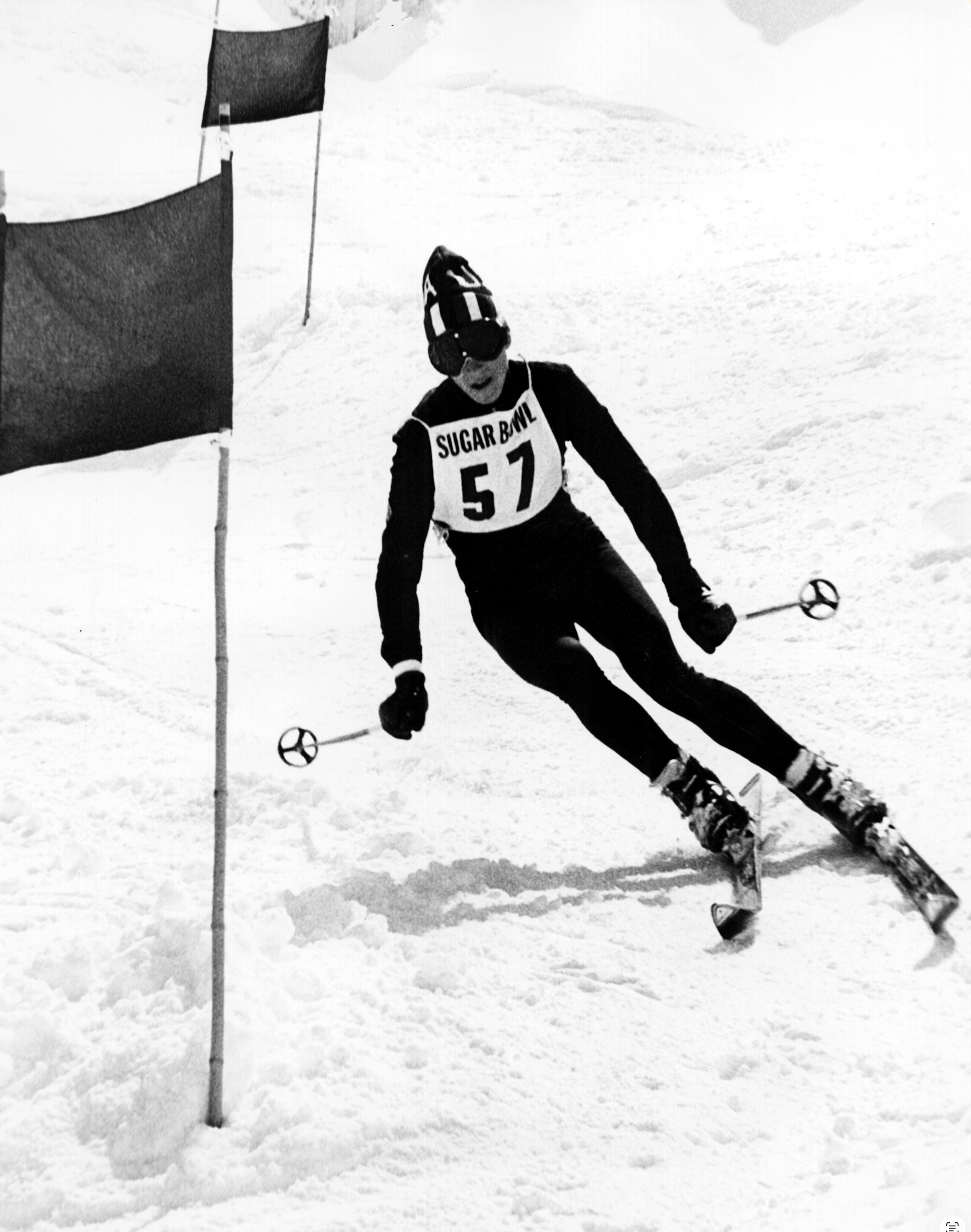
Opened in 1939, Sugar Bowl Resort is California’s oldest ski resort and one of the few remaining independent ski resorts in Tahoe.
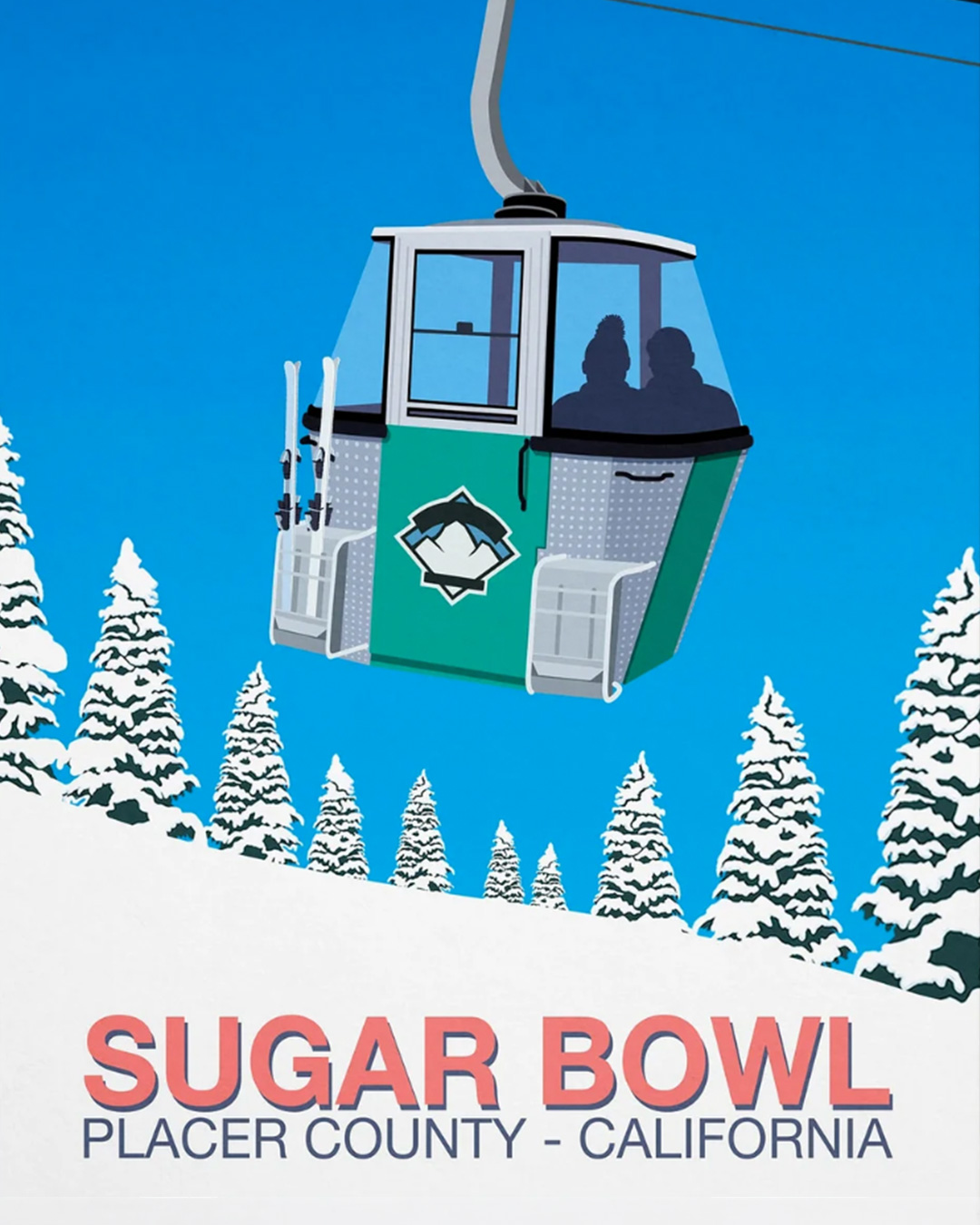
Sugar Bowl is more Wes Anderson than corporate machinery. A dreamlike contrast of what most ski resorts have become.
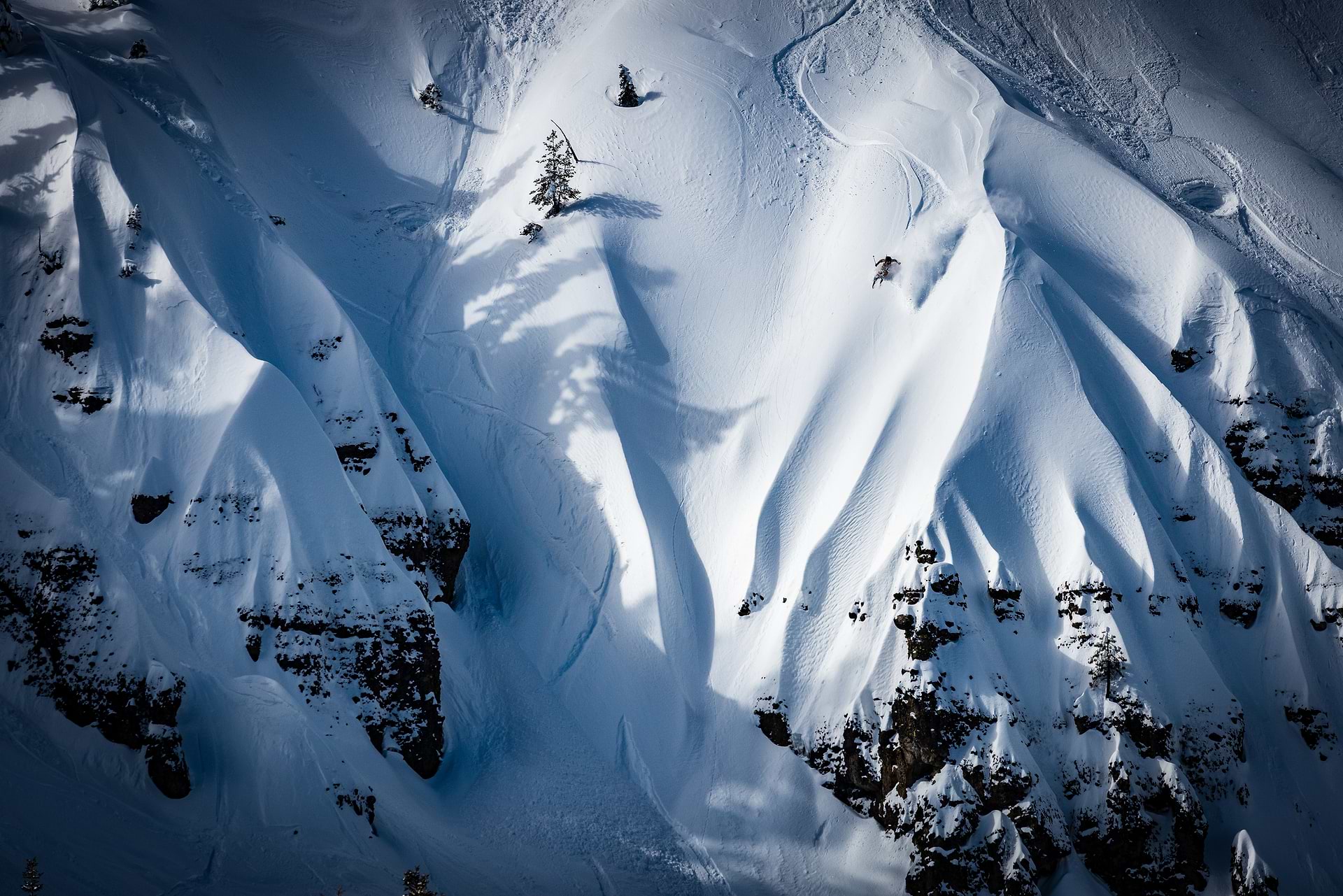
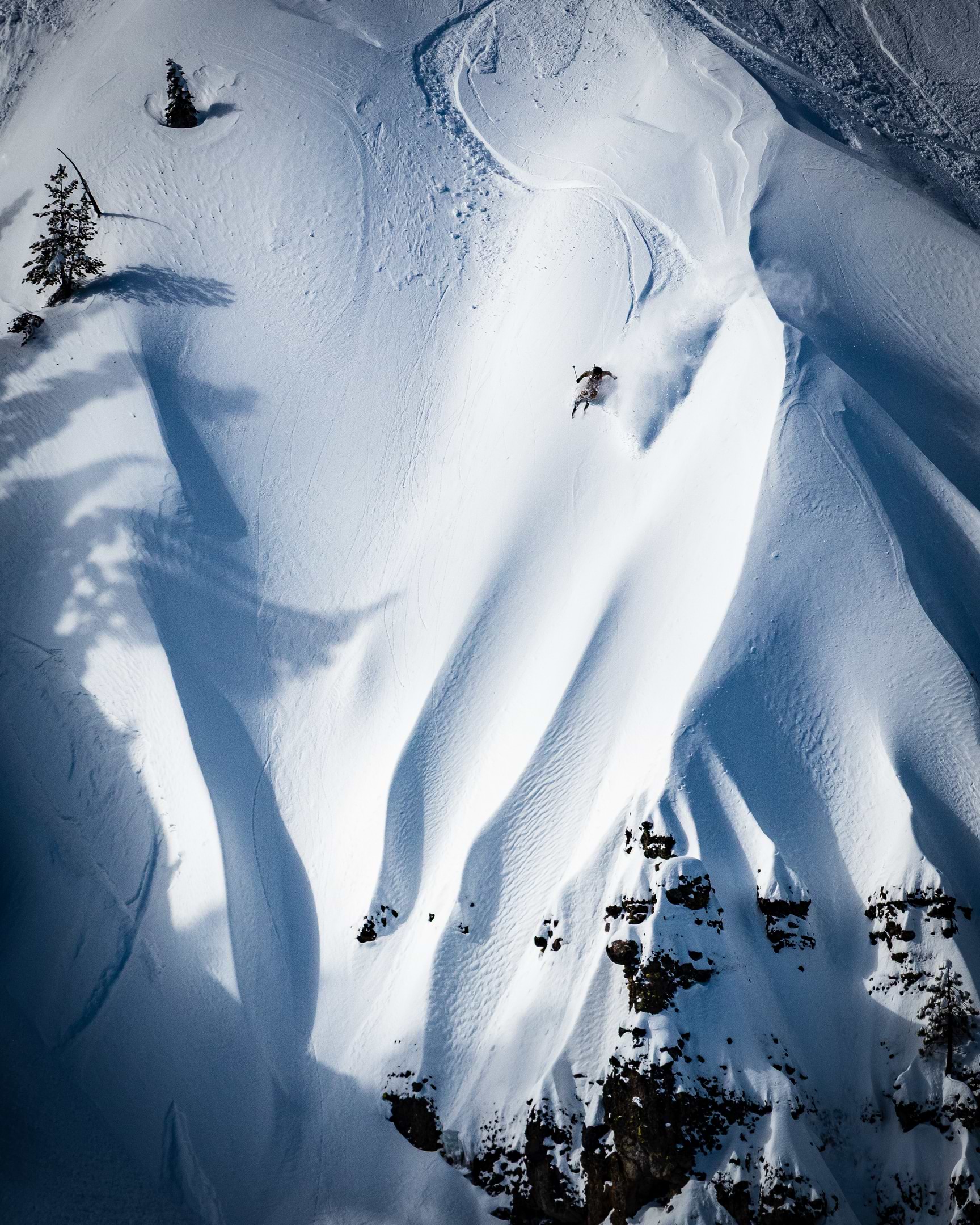
The Palisades zone at Sugar Bowl Resort resembles a mini-Alaska face, but surprisingly, this unique terrain is actually within the resort boundary.
Skier: Robert Ruud Photo: Chris Segal
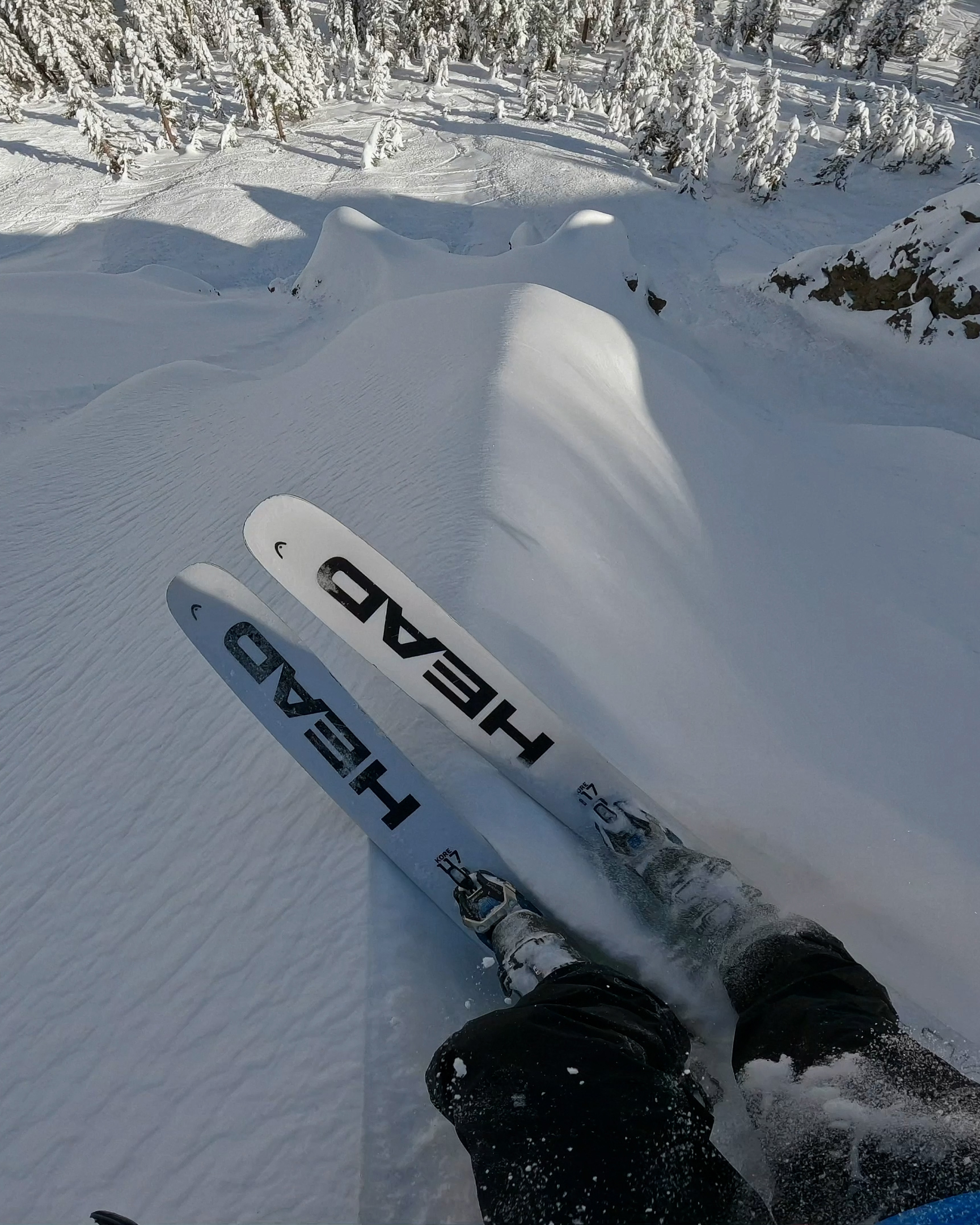
Sugar Bowl is one of the last independently-owned ski resorts in the Tahoe region — and North America, for that matter. This might not mean much if you’re used to European lift companies and local resorts. But in the U.S., most ski areas are now part of large conglomerates like Vail Resorts (Epic Pass) or Alterra Mountain Company (Ikon Pass). That shift has brought fast-paced development, dynamic pricing, and a strong focus on volume — bigger lifts, more condos, more control. Sugar Bowl has taken another path. It’s owned in part by homeowners and skiers — people who love the place, don’t just profit from it. That means slower growth, fewer crowds, and a vibe that still feels… well, human. And where skiing still comes first.
We arrive after a massive Sierra storm and are practically first in line. The lift crew is laughing, chatting, and joking with the locals — the kind of small-team energy you get when people actually like their jobs. An easy, genuine vibe.
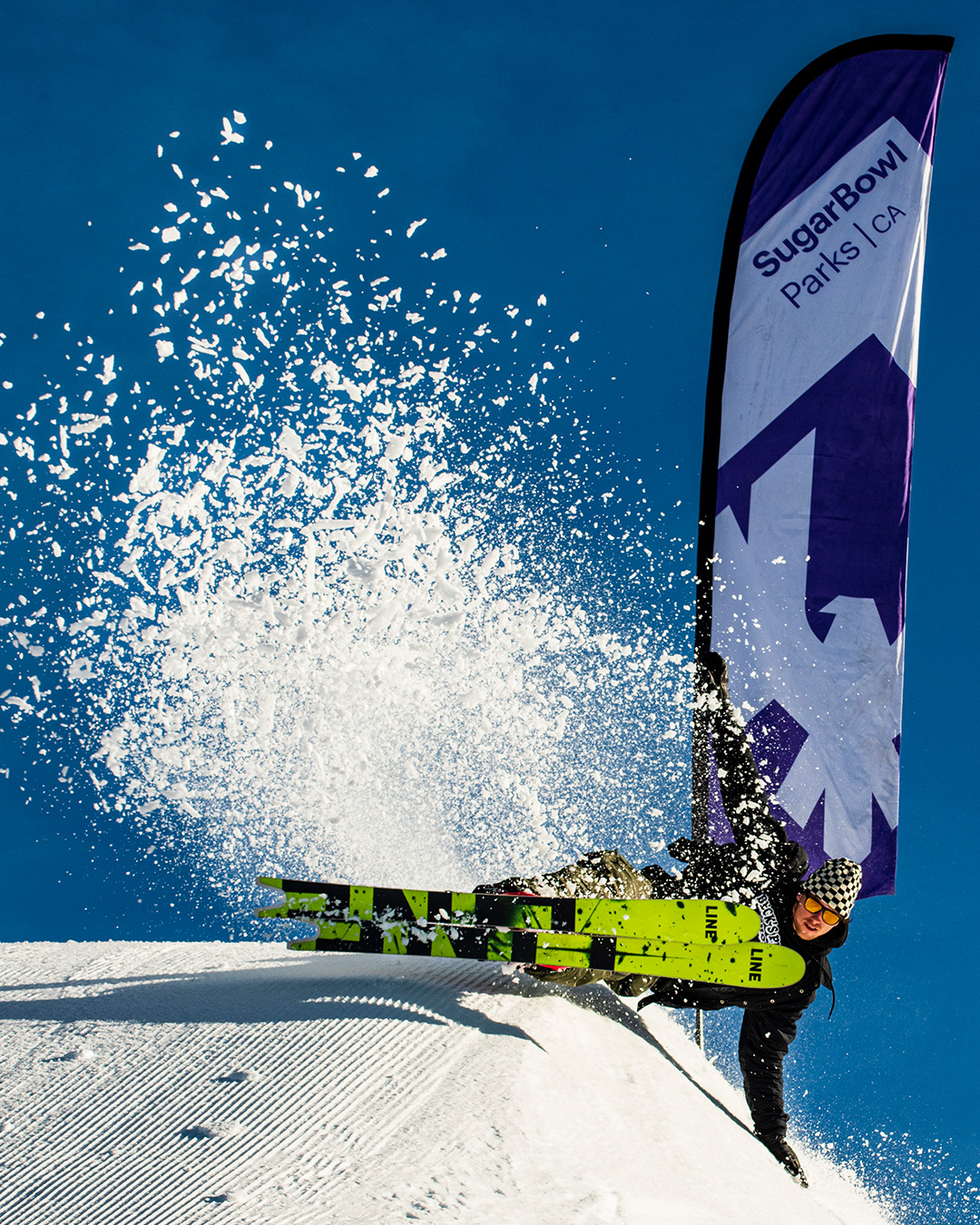
We warm up with a few flowing laps off Mt. Judah Express, but our eyes are on Disney Ridge. Disney Express takes us up to a natural playground: wide bowls, a few glades, cliffs and side hits in every direction. We follow down the ridge in knee-deep powder and finish with a narrow drop through Hourglass. Above us, riders cheer from the lift. Naturally, we ski faster.
Ski Patrol is about to open Sugar Bowl — the actual feature — and Nancy’s Couloir. It’s steep, exposed, and peppered with cliffs. Farther in lies The Palisades, a legendary shark-fin spine zone that only opens occasionally. Locals treat it as a rite of passage.
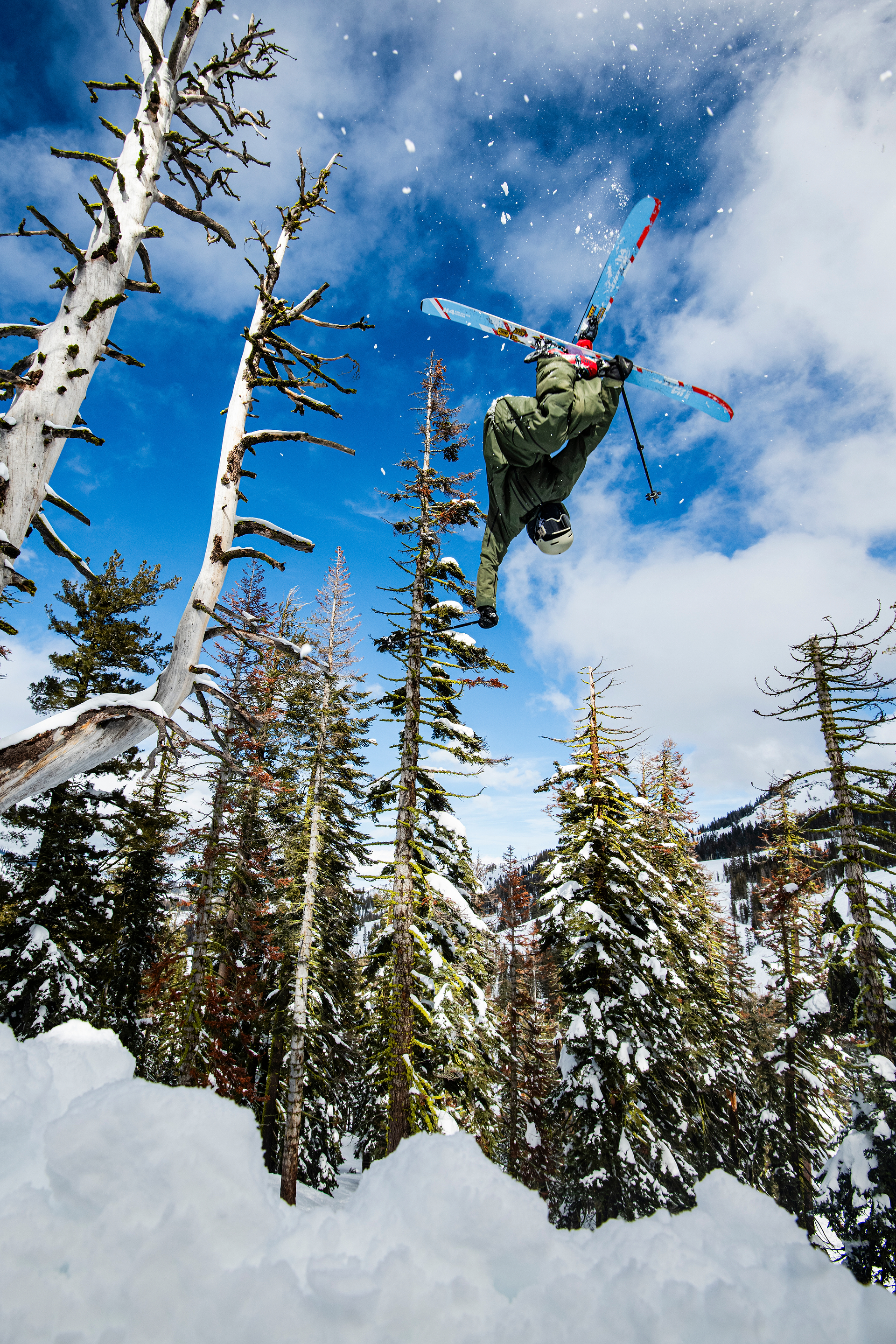
After a lunch of chicken wings and a cold Tahoe Pilz on The Belt Room’s sunny deck, we meet the Sugar Bowl Academy freeride team in the Mt. Lincoln lift line. They ask if we want to tag along. We do. Within minutes, they’re leading us into terrain we hadn’t even spotted. They drop cliffs under The Sisters like it’s nothing — discussing spins, landings, and line choices with casual confidence. Coaches cheer them on and then turn to us. We hesitate, panic, then follow anyway. It’s that kind of place.
Dylan Siggers
Gordon Crawford-Currie
Sugar Bowl Academy is more than a school; it’s a breeding ground for the next generation of big-mountain, alpine, park and cross-country skiers. And it shows. The resort pulses with youthful energy, grounded in mentorship. The young riders aren’t just talented, they’re welcoming, respectful, and genuinely stoked. And they are everywhere, treating the steep terrain like a playground. The culture runs deep.
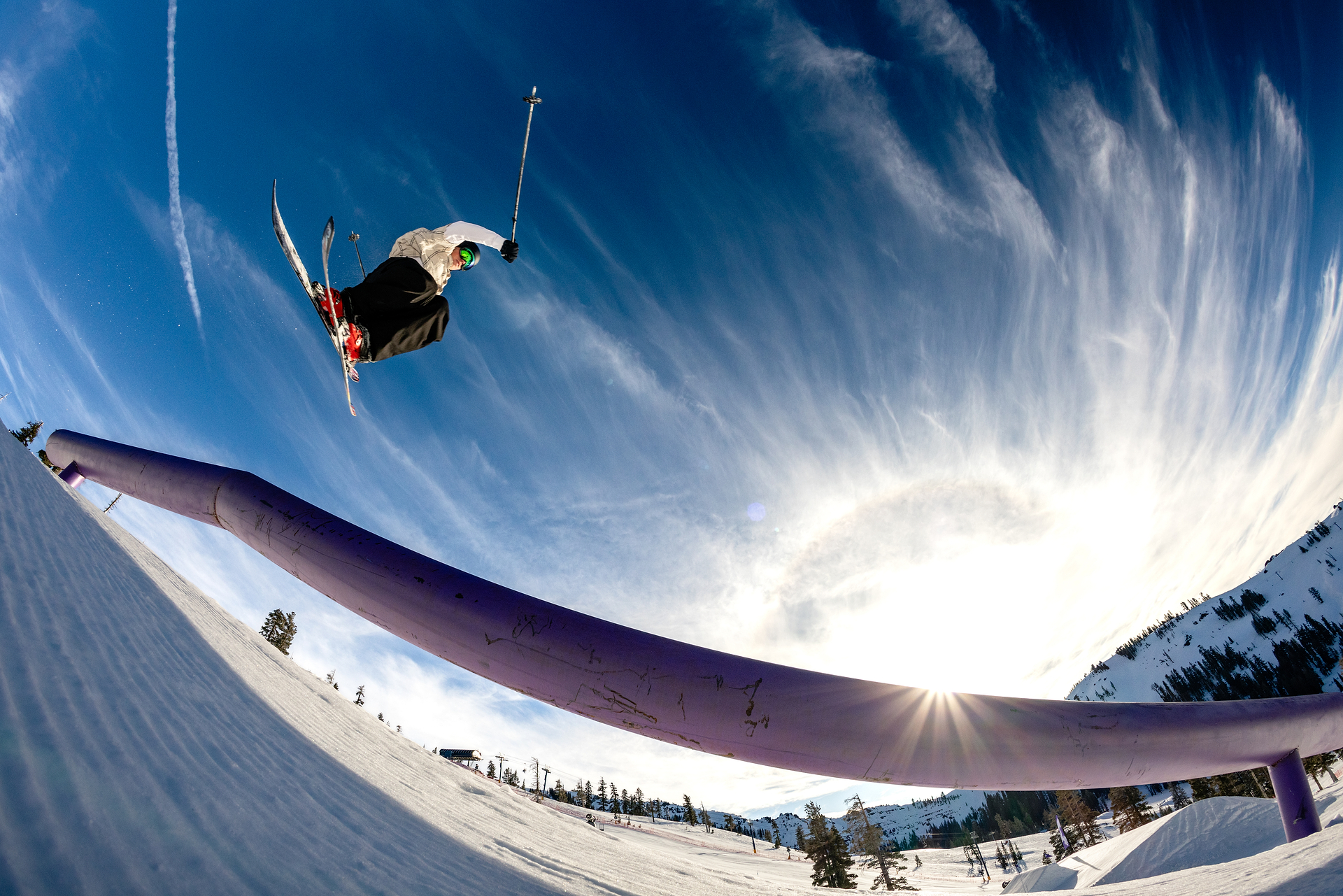
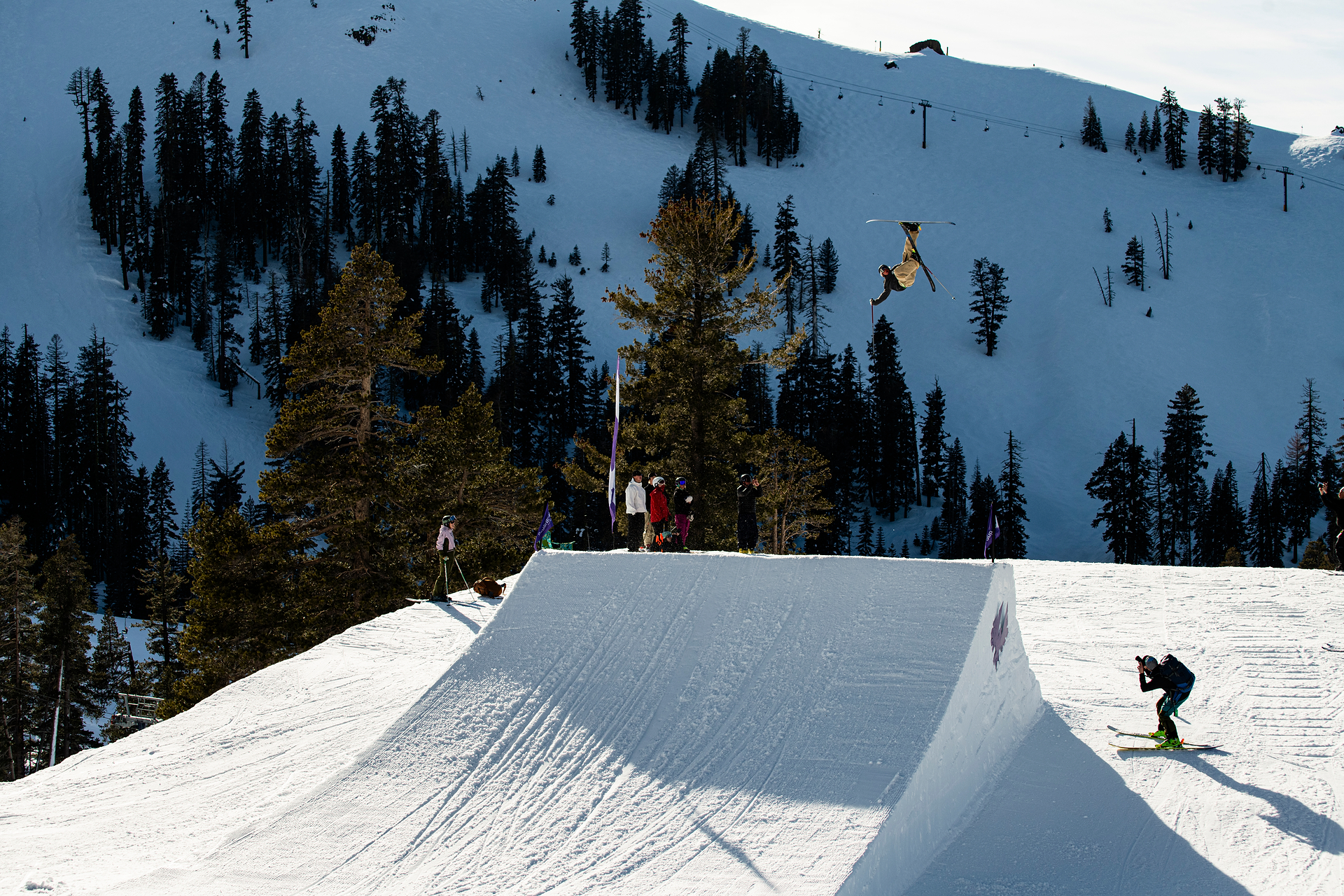
Management gets it: kids matter; the vibe matters. Sugar Bowl recently invested $2 million into their parks — a clear statement in an industry where park budgets are often first to go. And the results are visible: clean lines, creative builds, and terrain that makes you want to stay all day.
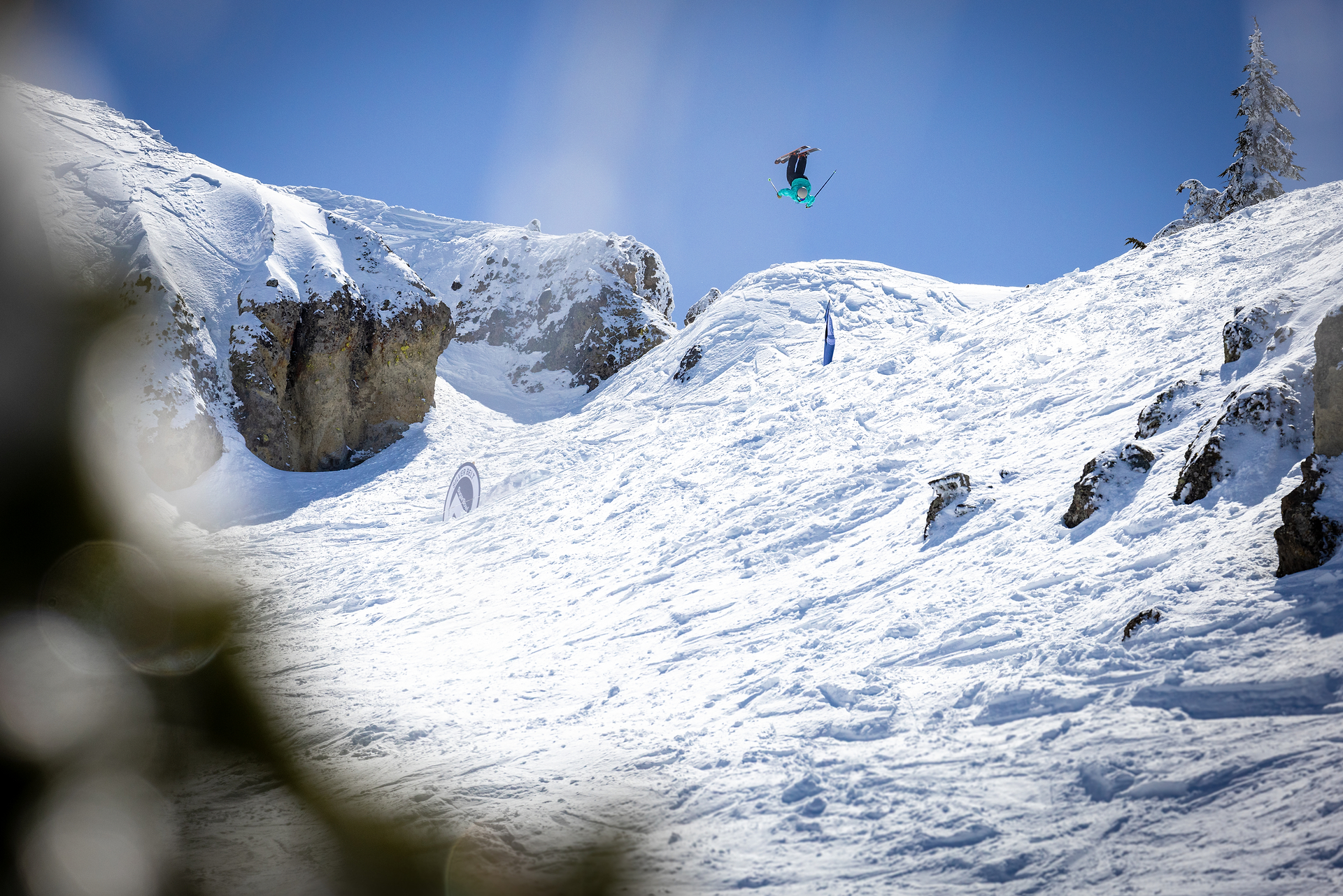
Revived by local pro skier Xander Guldman in 2024, the Silver Belt Classics has become one of the most important events in freeskiing.
The Norwegian renegade took the win in the 2025 Silver Belt Classics.
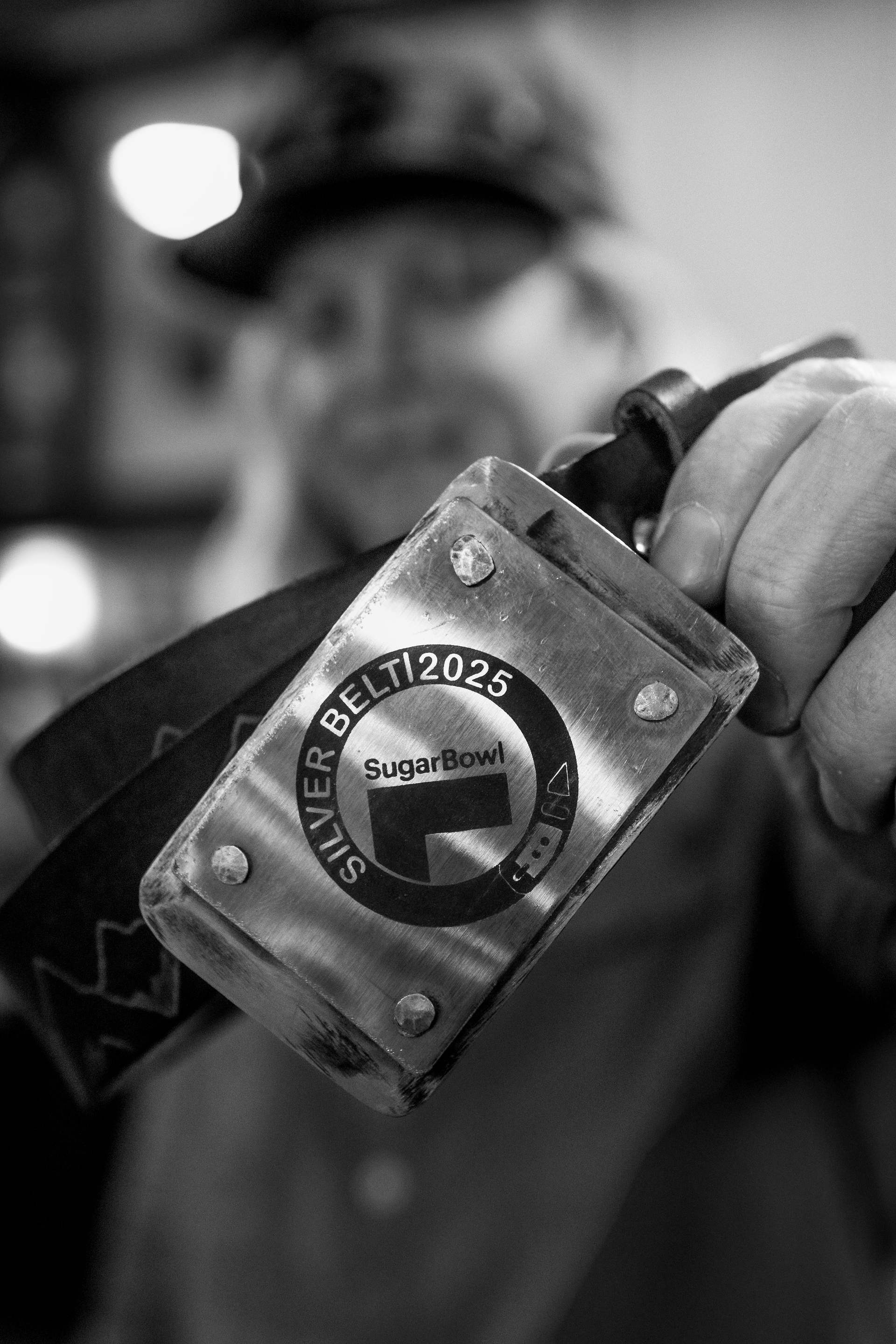
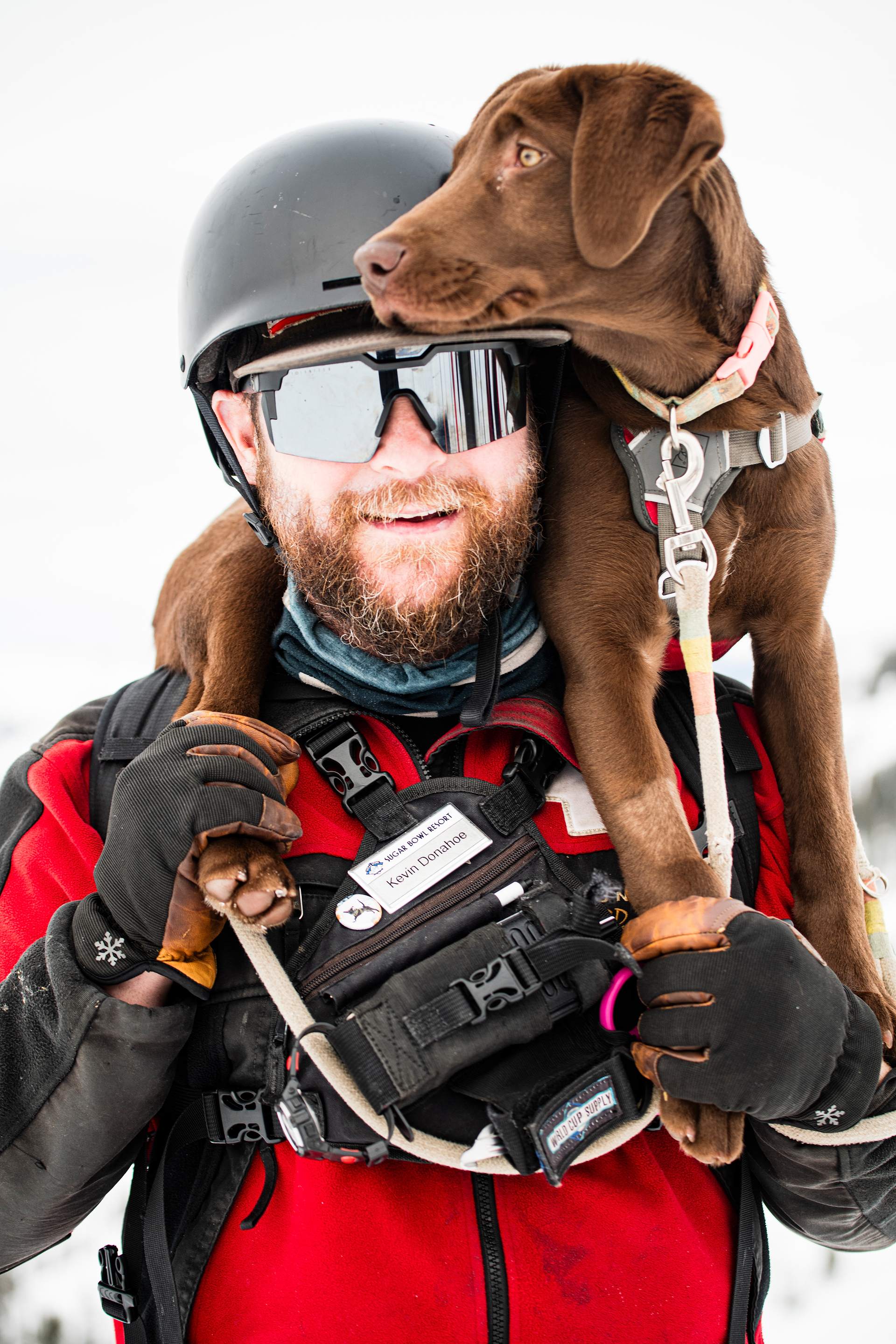
A lot of that vision comes down to CEO Bridget Legnavsky. Since taking the reins in 2022, she’s brought a quiet revolution to the resort. Originally from New Zealand, Bridget is both a skier and a sharp operational leader. She and her team — along with the families behind the resort — understand how to modernize without compromising character. The new gondola is coming. Infrastructure is improving. But more importantly, they’re investing in culture: grassroots events, social storytelling, community-based growth.
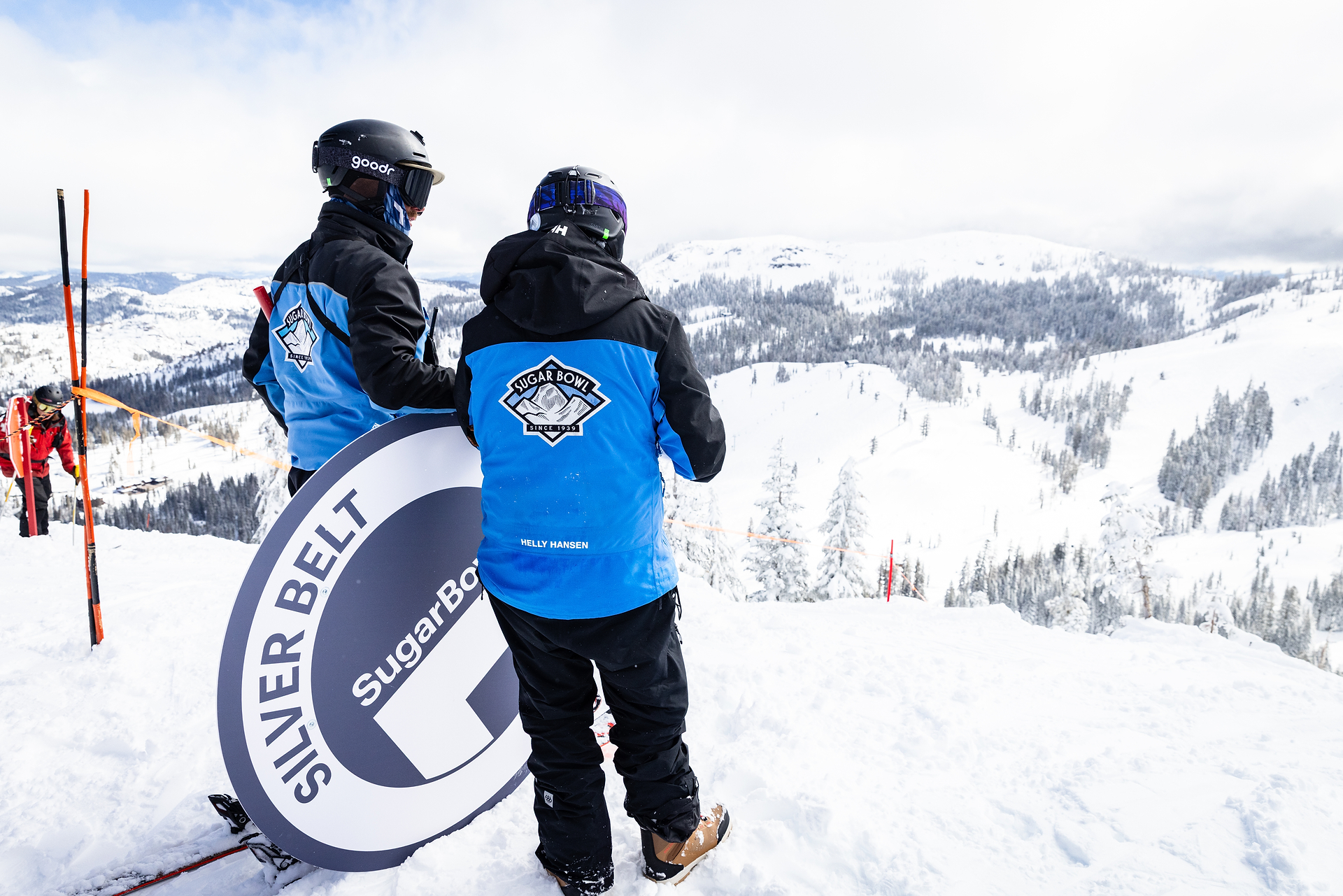
Some days that means beanies for passholders. Other days it’s the return of the Silver Belt Classic — brought back to life by local pro-skier Xander Guldman with a bold new format where riders shape the course, judge each other, and ride lines that fuse big-mountain energy with slopestyle progression. It’s not marketing, it’s what real ski culture looks like. (Norwegian renegade Robert Ruud took the win this year.)
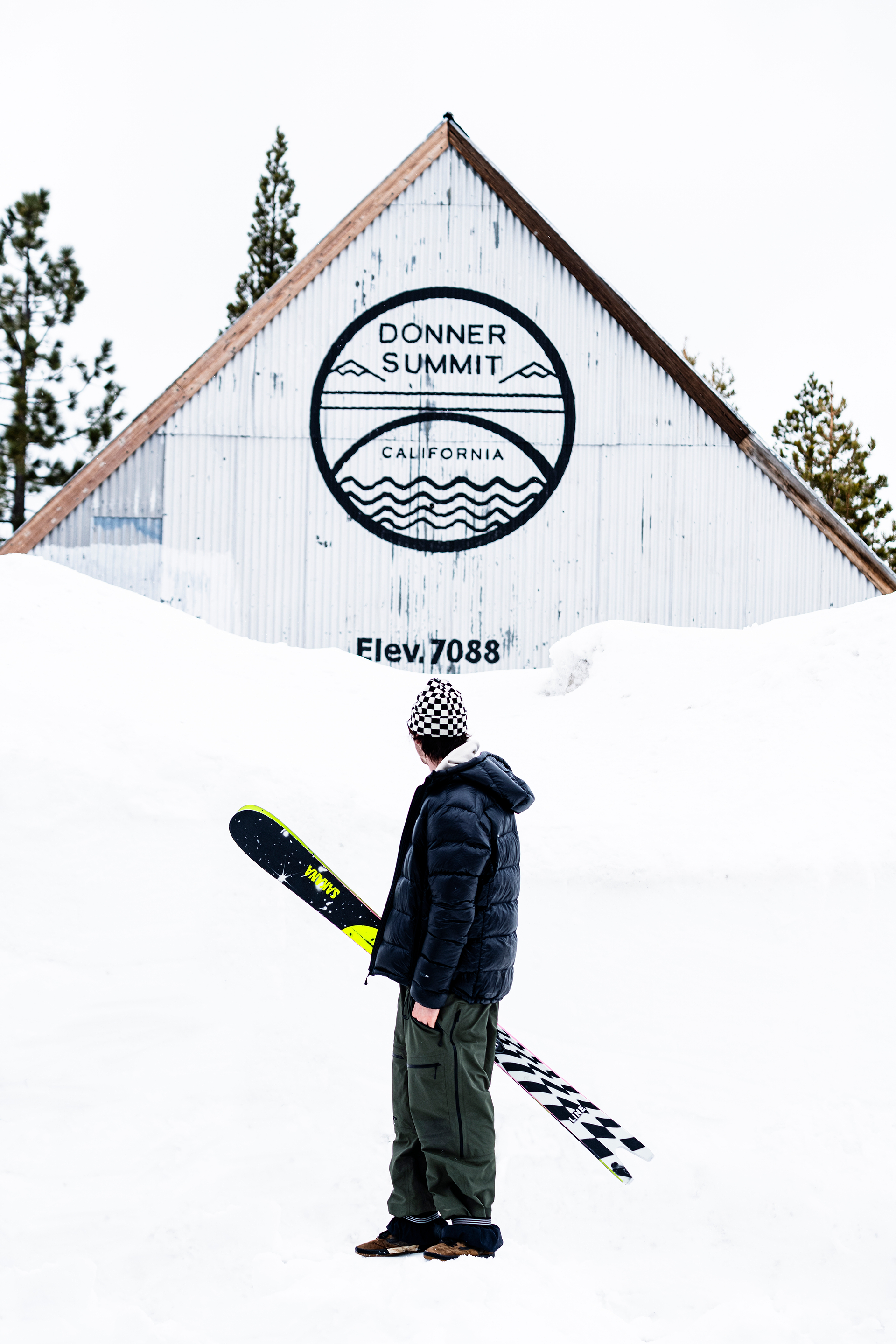
Donner Summit is old stomping grounds for freeskiing and snowboarding.
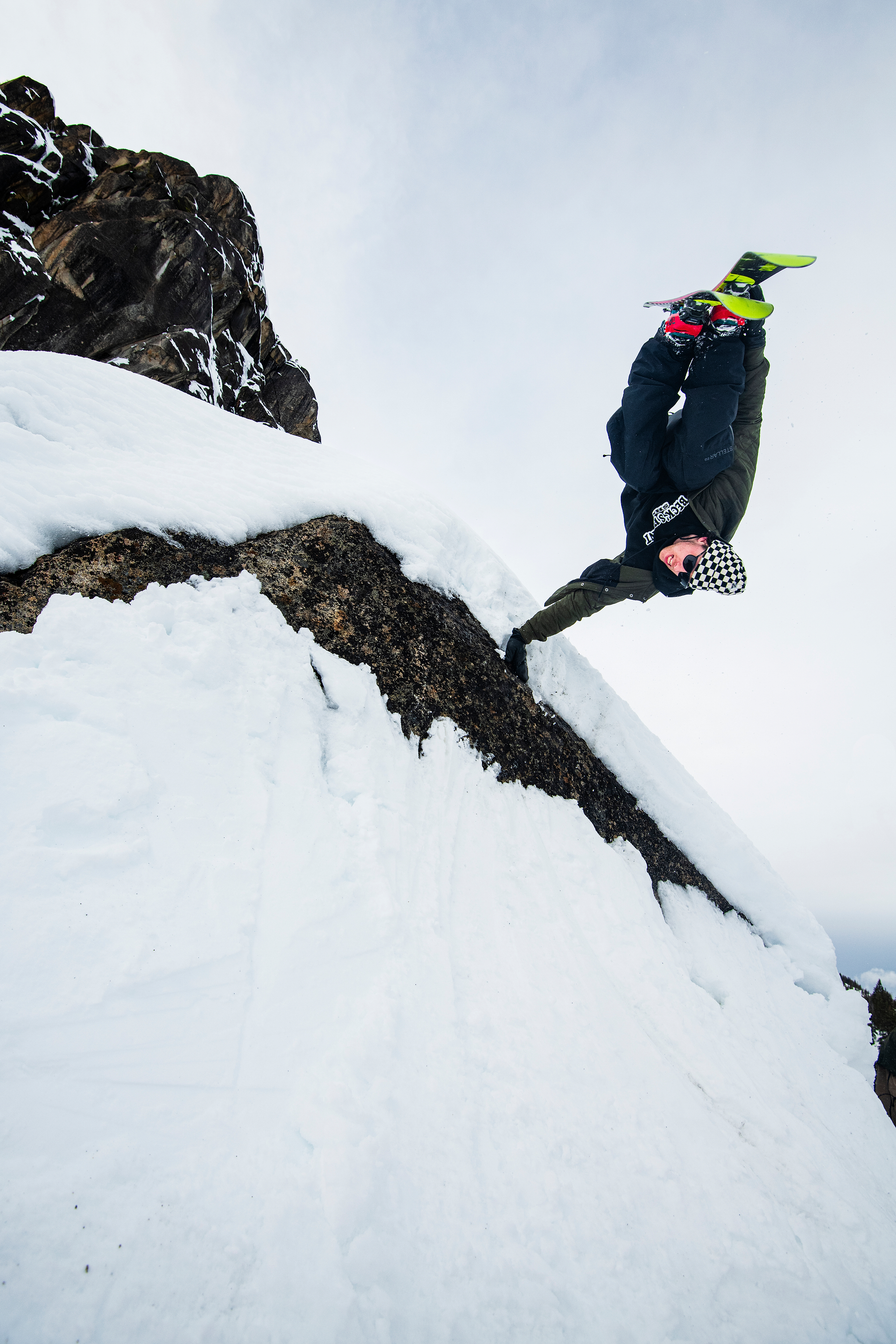
Dylan Siggers handplants near Donner Pass.
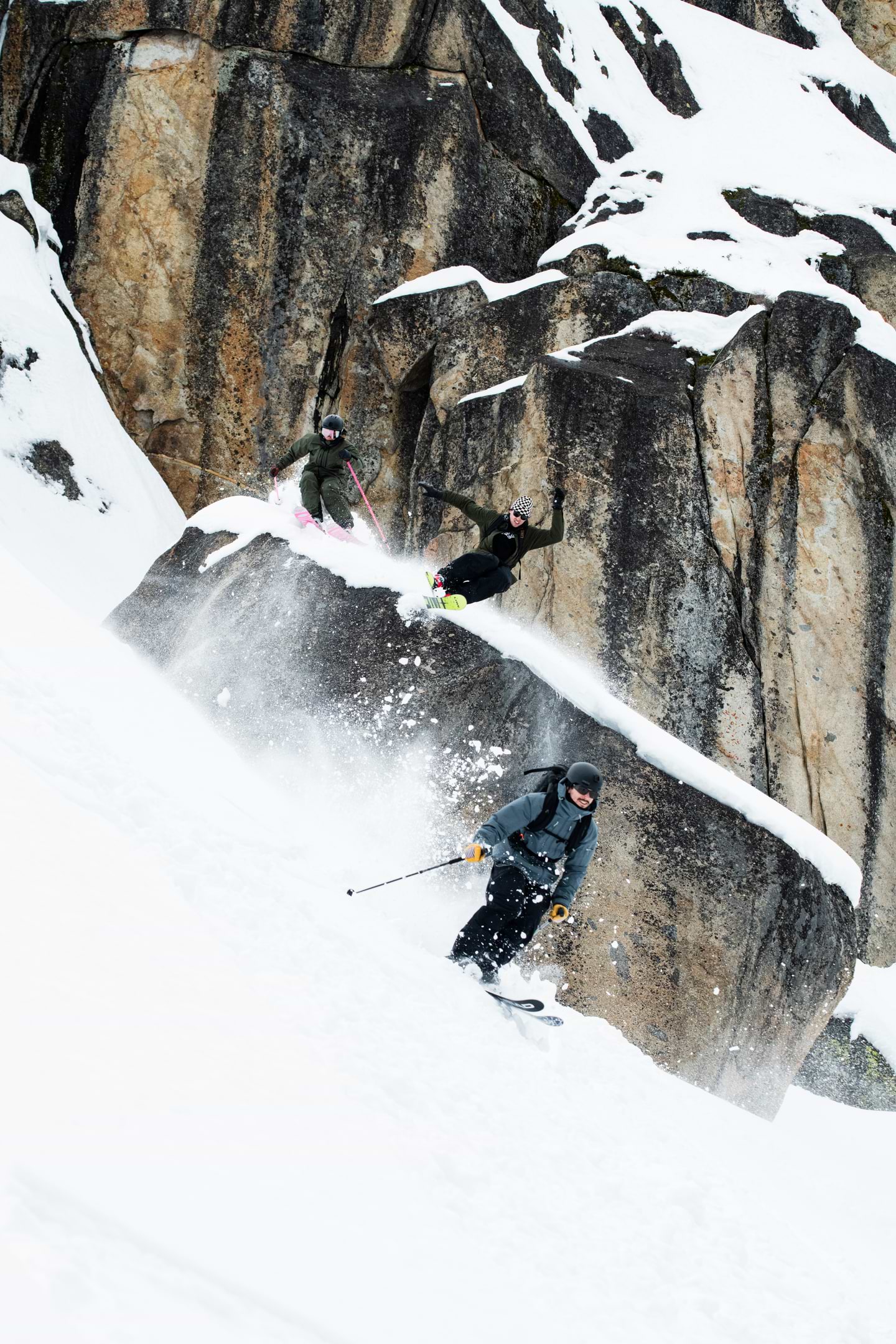
Xander Guldman, Dylan Siggers, and Leoni Zopp skiing amongst giant granite slabs close to Donner Pass.
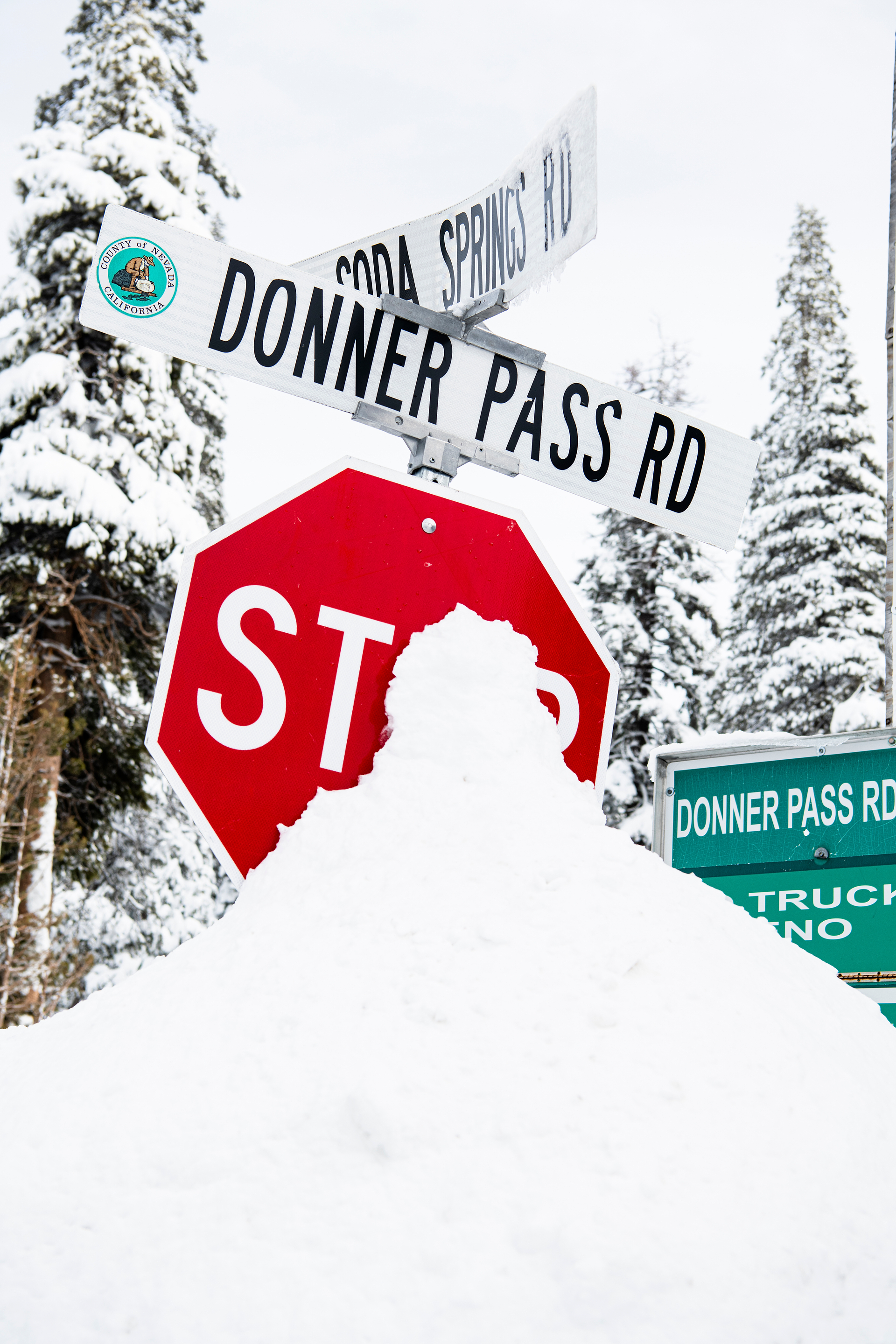
If you drive from the Bay Area, take the scenic Donner Pass Road, the final stretch to Sugar Bowl, to enjoy some classic Tahoe views.
On our last day, Xander invites us on a mission. We skin up from the top of Mt. Judah toward Donner Peak, aiming for the legendary Lake Run — a 2,000-foot (600-metre) vertical descent to Donner Lake. From the summit, the view is staggering: cliffs above, lake below, blank canvas of powder in between. We drop. The upper section is steep, playful, and lined with ancient whitebark pines. We pause, then climb another short pitch for bonus vert. The final descent is steeper and deeper, leading through trees to the mouth of an old railway tunnel. The younger ones in our group throw 360s off the roof, even if the landing is questionable.
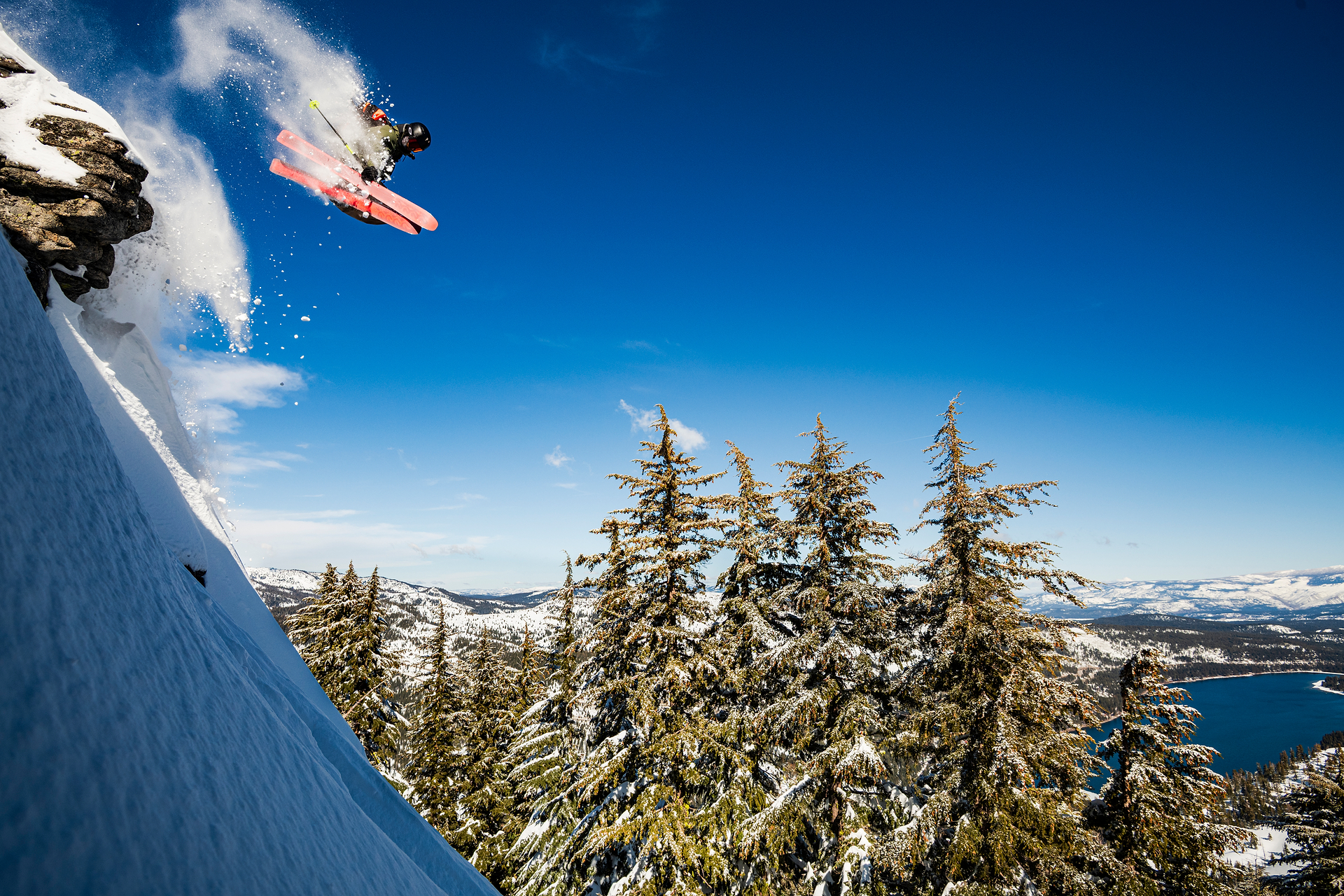
The scenic Lake Run from Sugar Bowl past Donner Peak to Donner Lake is an A-class backcountry itinerary.
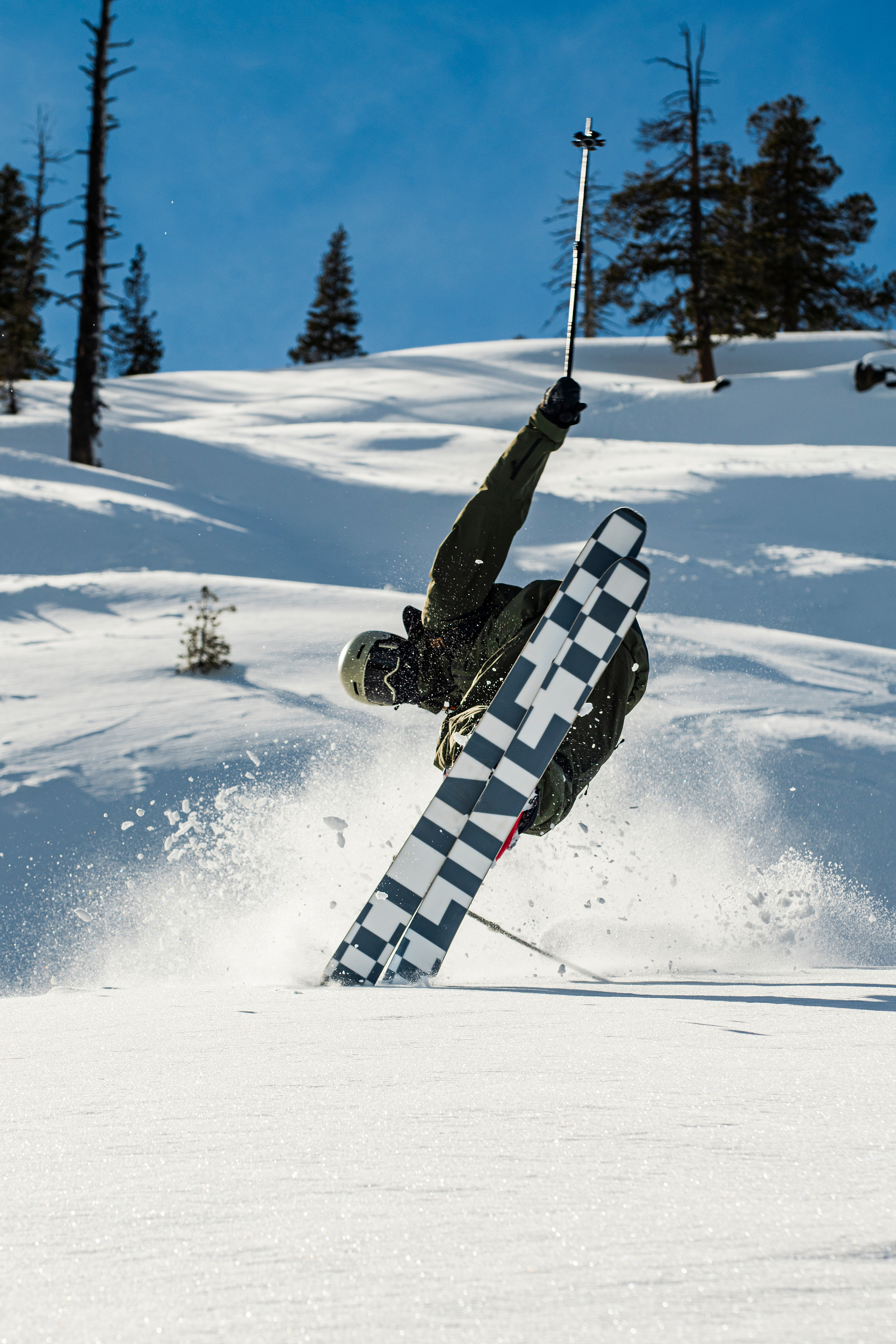
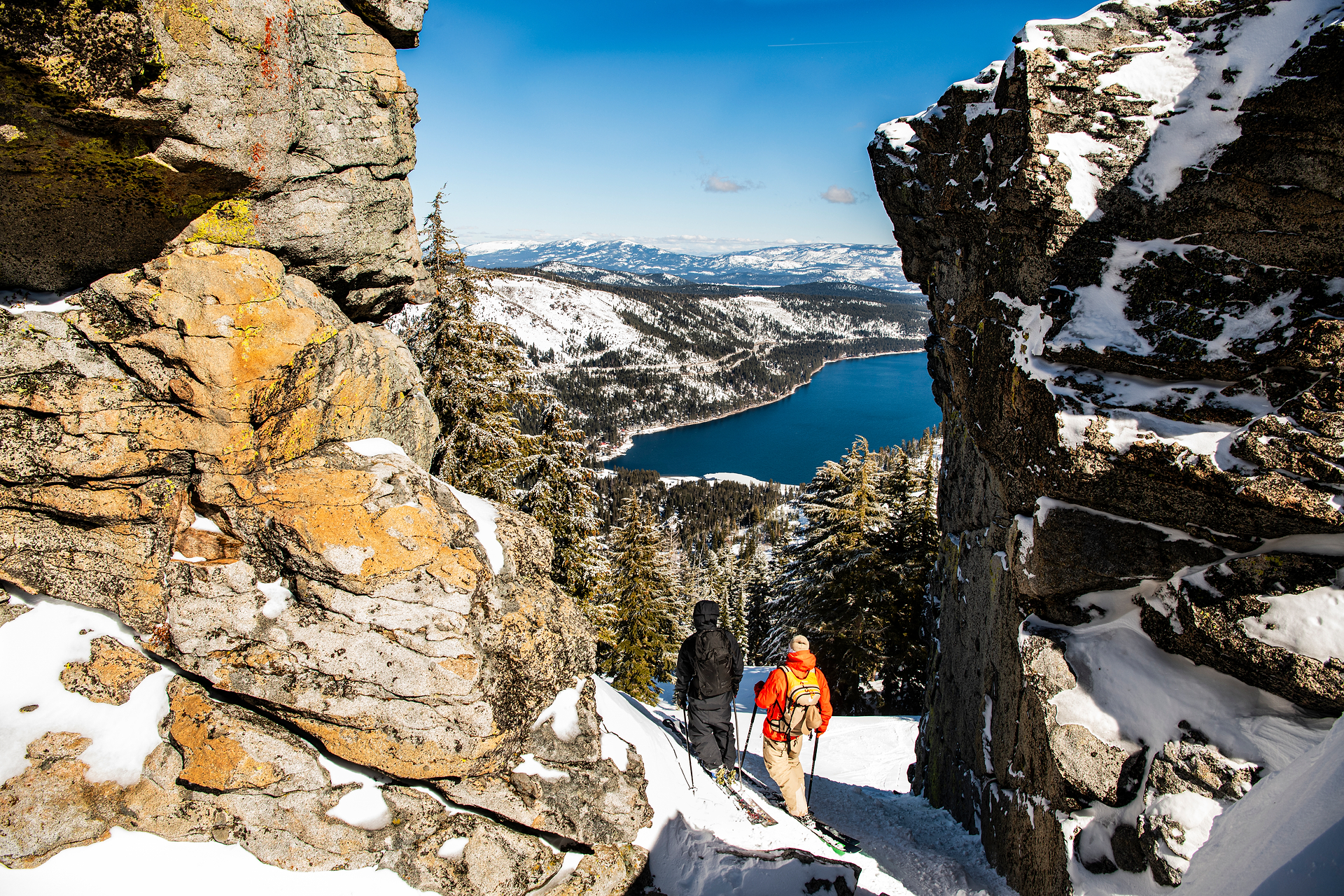
From the summit of Donner Peak, the view towards Donner Lake is staggering.
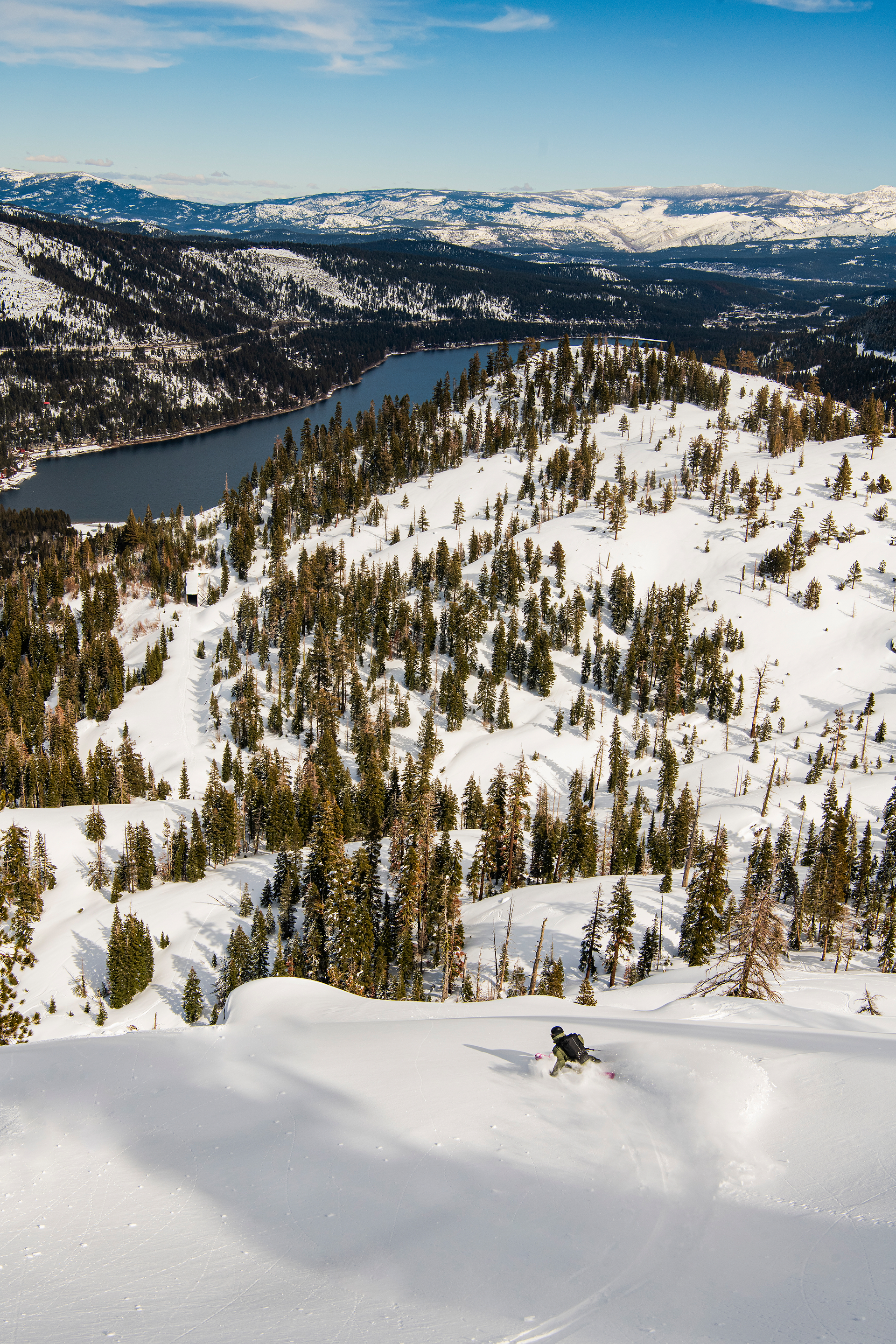
Leoni Zopp is enjoying some fantastic snow at Donner Peak.
We continue descending until the snow gets heavy and our legs start to burn. At last, we reach Donner Woods, where a car awaits. We pile in — sunburned, tired, buzzing — and drive back up Old Highway 40 for one last stop: greasy burgers and cold beer at Donner Ski Ranch. Plastic baskets. Plastic cups. Perfect day.
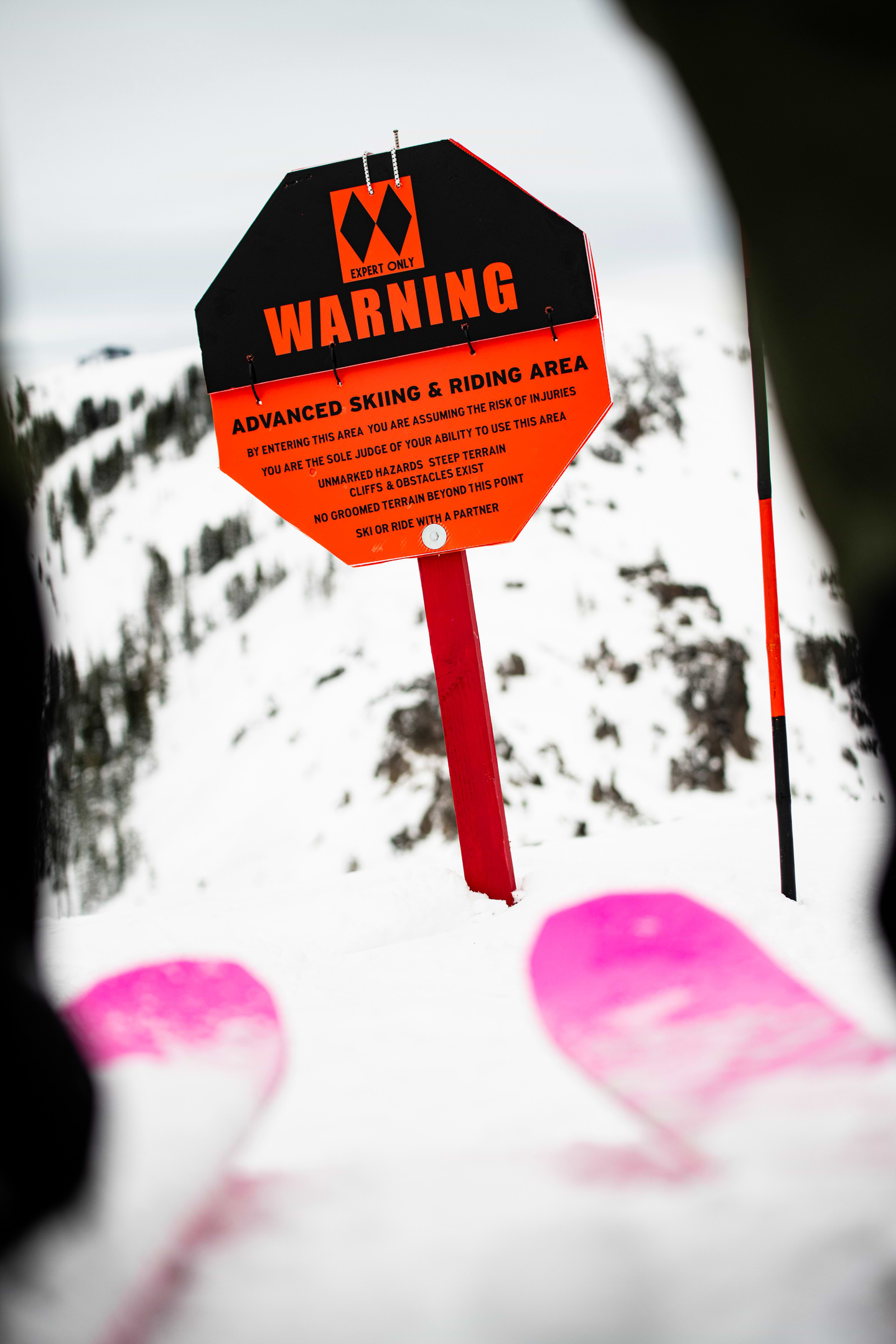
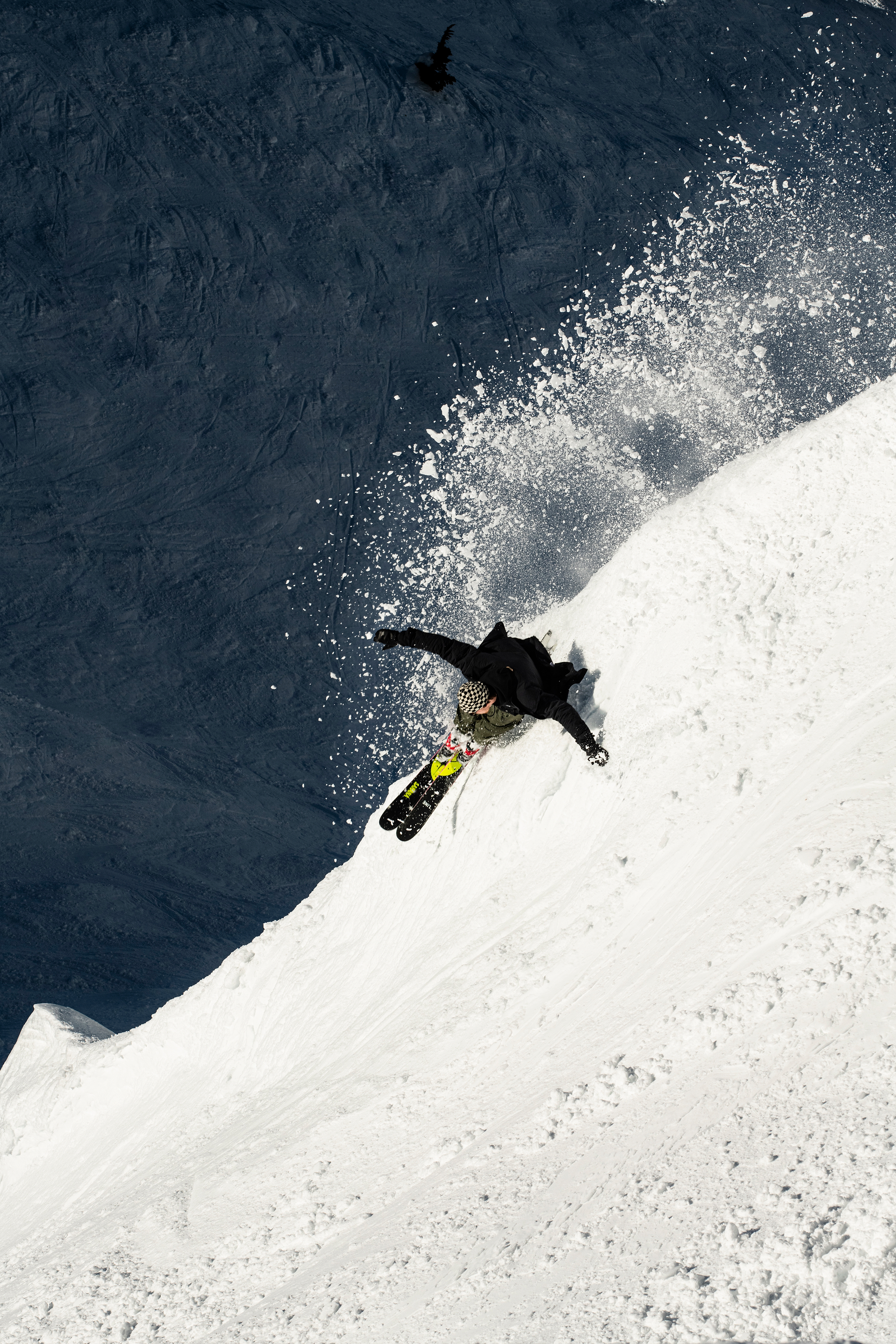
It has been a heavy dose of California ski culture — and a heavy dose of history. Bluebird powder and a resort that still remembers why we all started skiing in the first place.
6 Things Not to Miss Around Tahoe
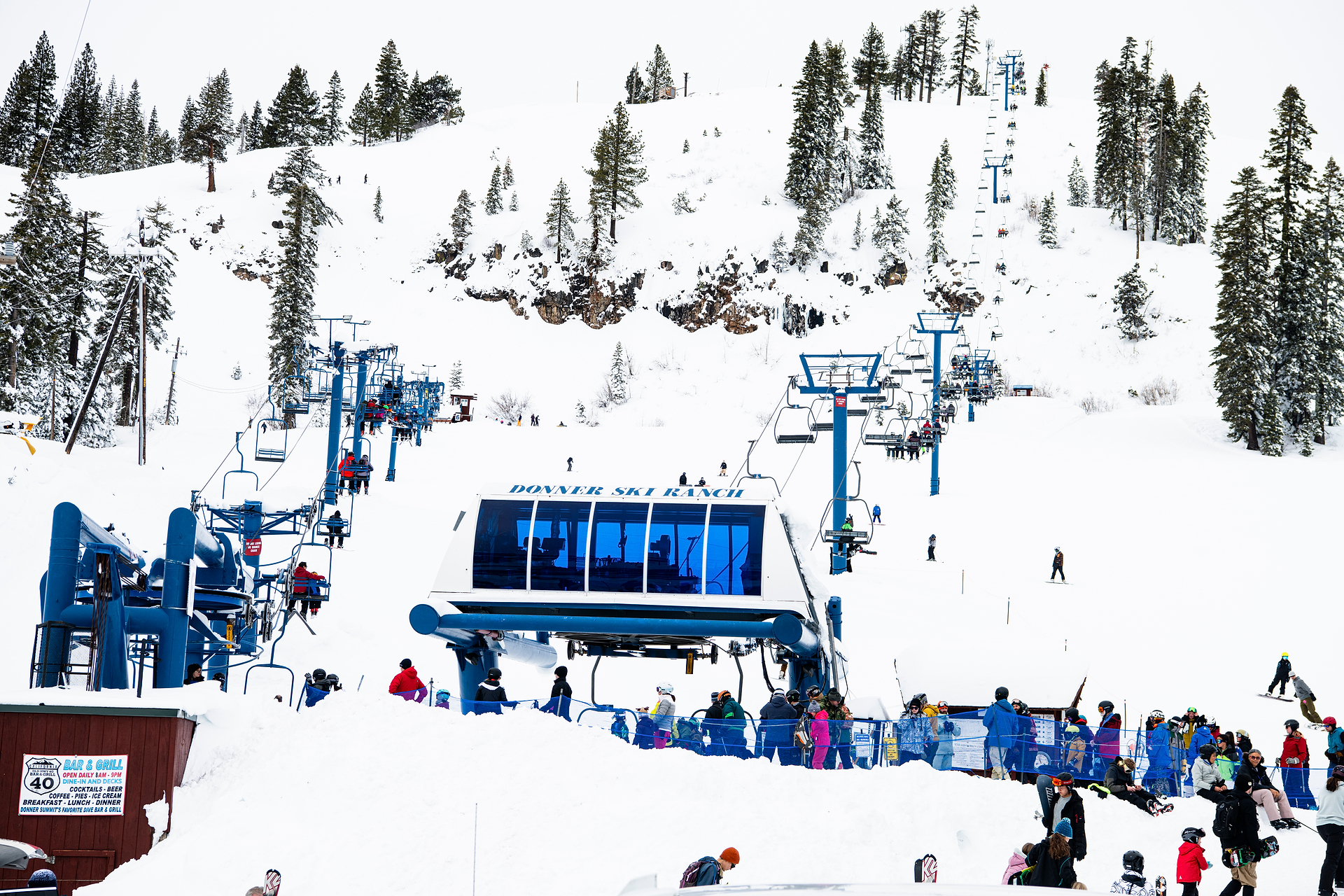
With a day ticket that won’t drain your wallet, funky little Donner Ski Ranch is a great reminder that skiing can still have soul—and be affordable. With owners Janet and Marshell Tuttle reinvesting every dollar made into the ski hill on historic Donner Summit, this family-friendly spot truly embodies the spirit of inclusivity. Bonus points for the legendary restaurant, Old 40 Bar & Grill, with its juicy, diner-style burgers. www.donnerskiranch.com
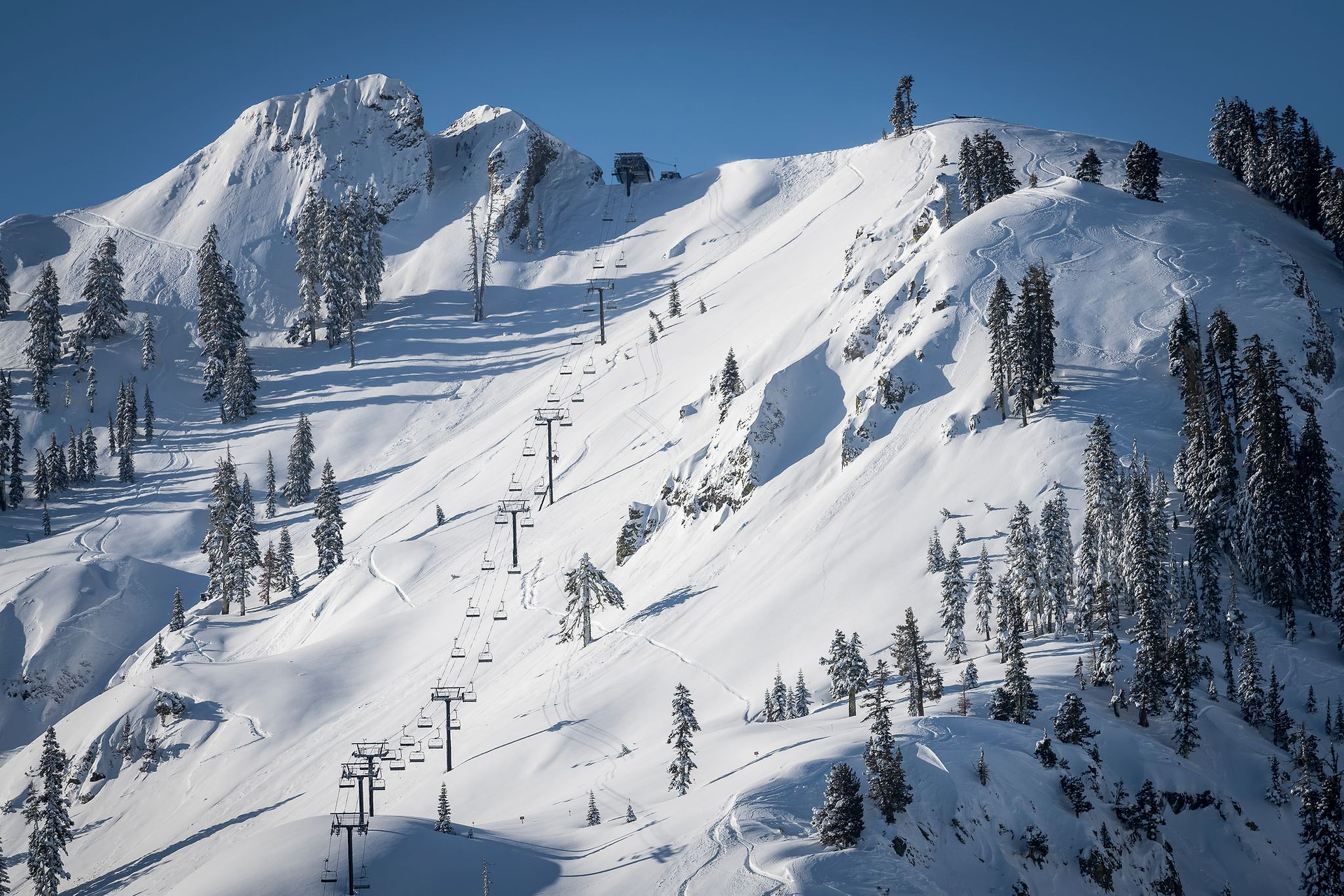
Held in esteem as one of America’s premier chairlifts, Palisades Tahoe’s KT-22 provides access to steep, challenging terrain, which, if you manage to catch it after a storm, can provide a day you will never forget. Think small, Alaska-like spines mixed with lots of other features and smooth runouts. Be prepared for long line-ups, chances to spot ski celebrities, and some of the best inbounds skiing anywhere. More about Palisades Tahoe here.
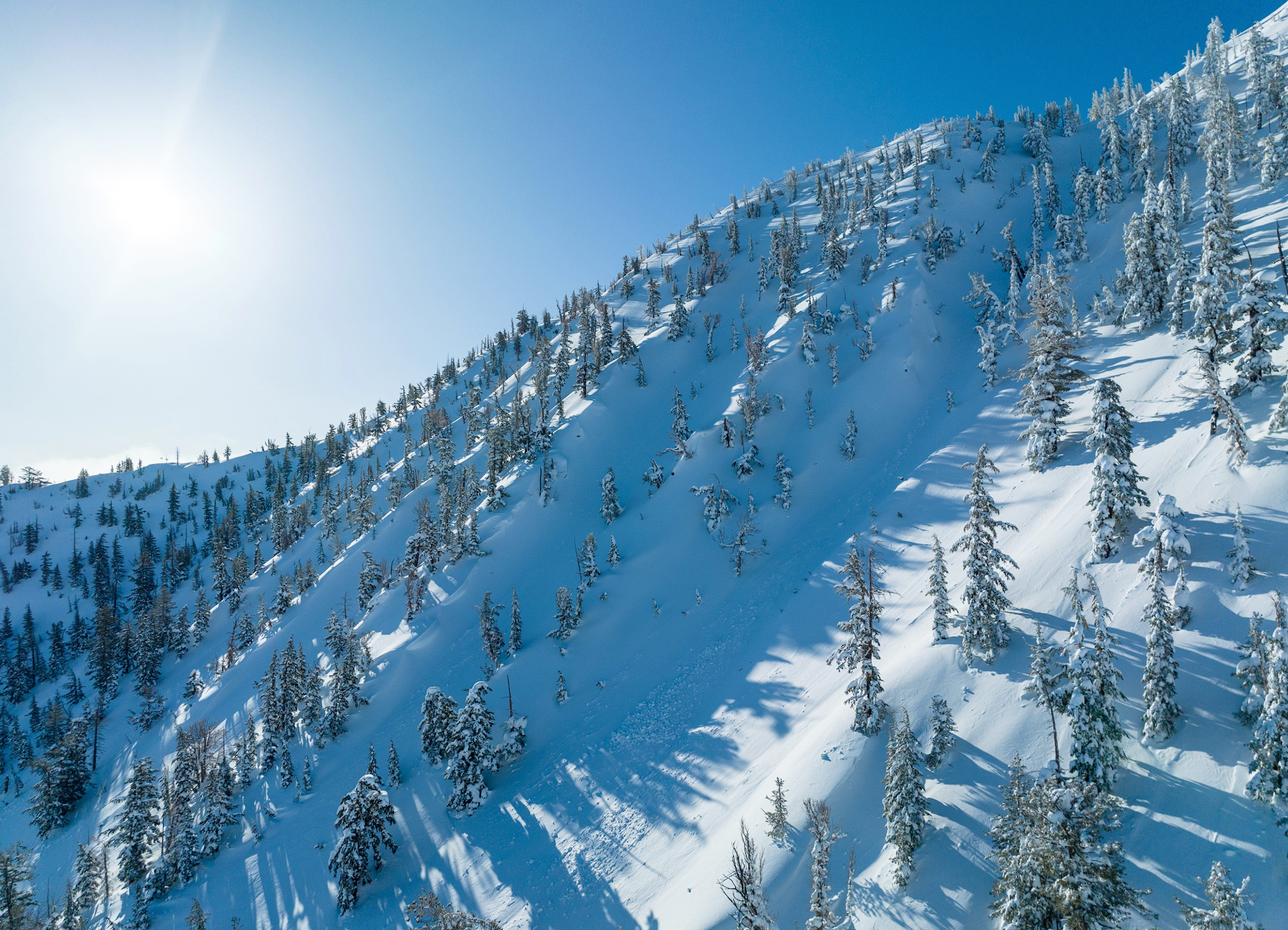
With vertical drops of up to 1,800 feet (550 m) and numerous steep chutes, Mt. Rose provides a good alternative if you want to avoid crowds while still seeking challenging, fun terrain. Located in Nevada, just twenty minutes along State Route 431 from Incline Village, Mt. Rose boasts the highest base elevation of all Tahoe ski areas at 8,260 feet (2,517 m). Easy-access ski touring is also available nearby, atop the pass, shortly before the turnoff to the ski resort. www.skirose.com
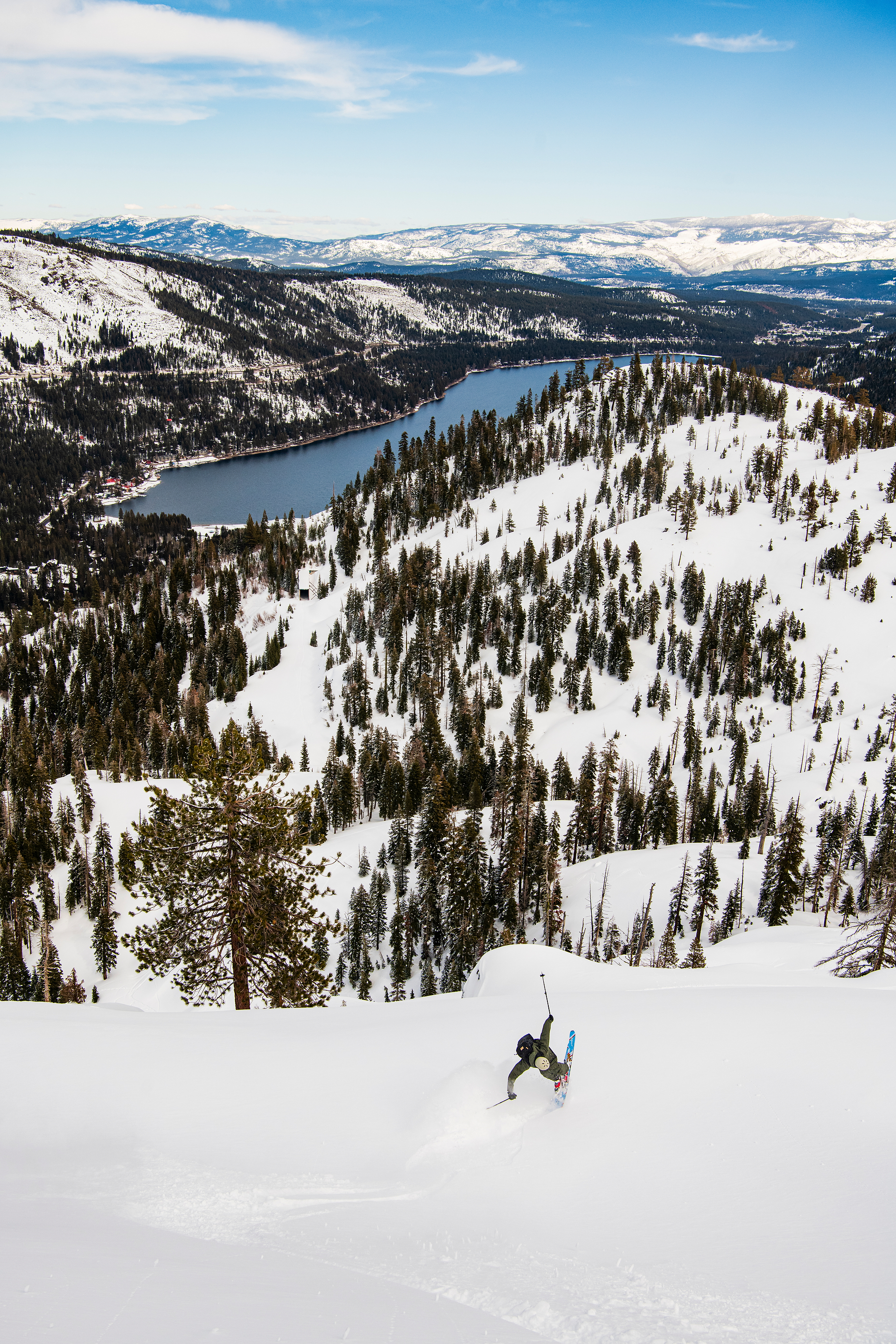
The Lake Run from Sugar Bowl’s Mt. Judah/Donner Peak to Donner Lake is a backcountry adventure that should be on everyone’s bucket list. Accessed through a gate at the resort, make sure you’re carrying avalanche gear and otherwise prepared for self-rescue. Including both ski-touring and challenging downhill skiing, this scenic itinerary offers an epic experience that might inspire you to seek more of the same. To return to Sugar Bowl, arrange a car shuttle at the West End Beach parking lot or catch a bus.
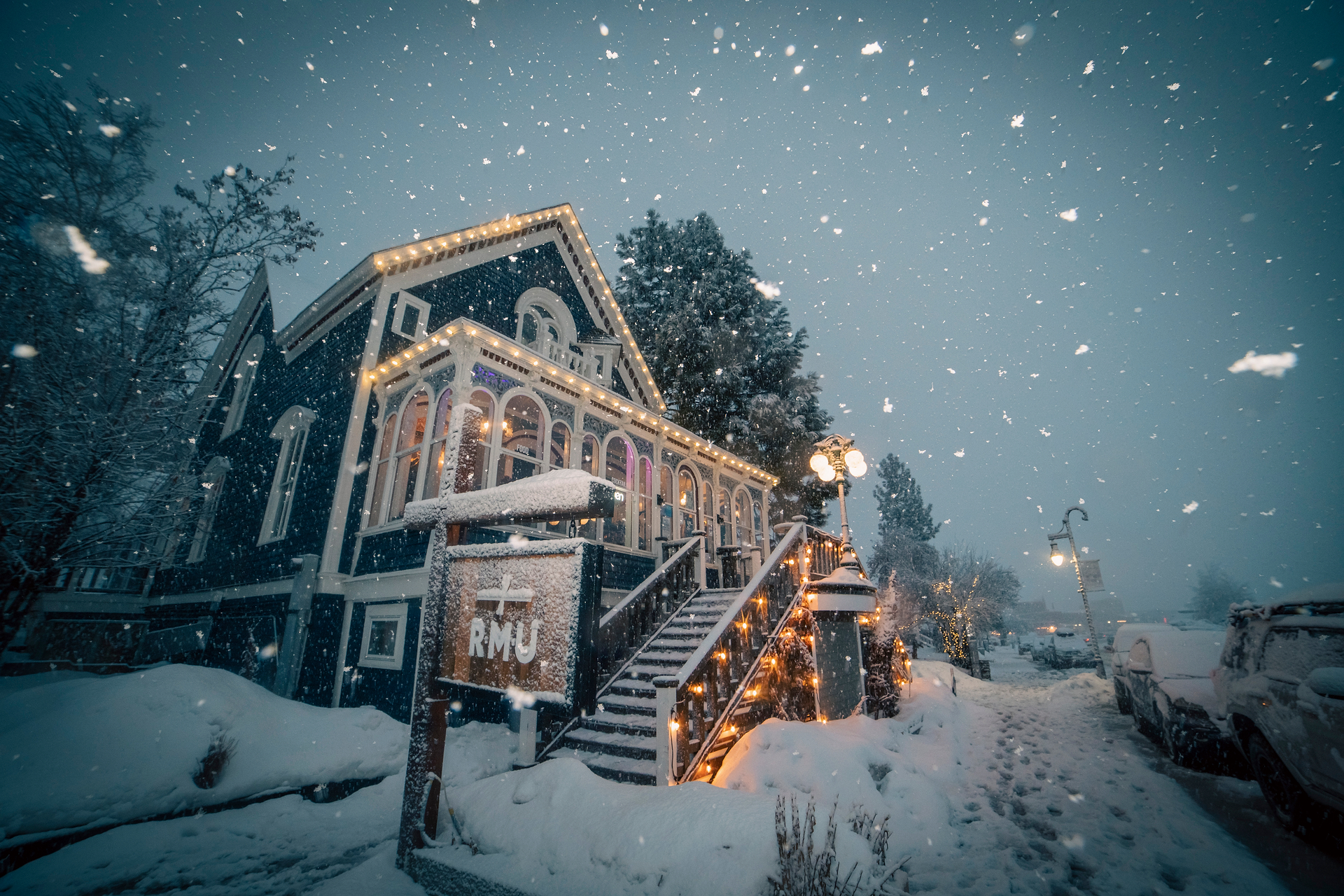
RMU is an independent ski company from Colorado with multiple hubs across North America, and the Truckee location has been a community fixture for many years. Well known for creating good vibes, RMU Truckee serves some of the best burgers in town and regularly hosts fun parties. While you’re there, you should also check out their skis, built at Åre Skid Fabrik near the Stellar Equipment HQ in Åre, Sweden. www.rmumtnculture.com
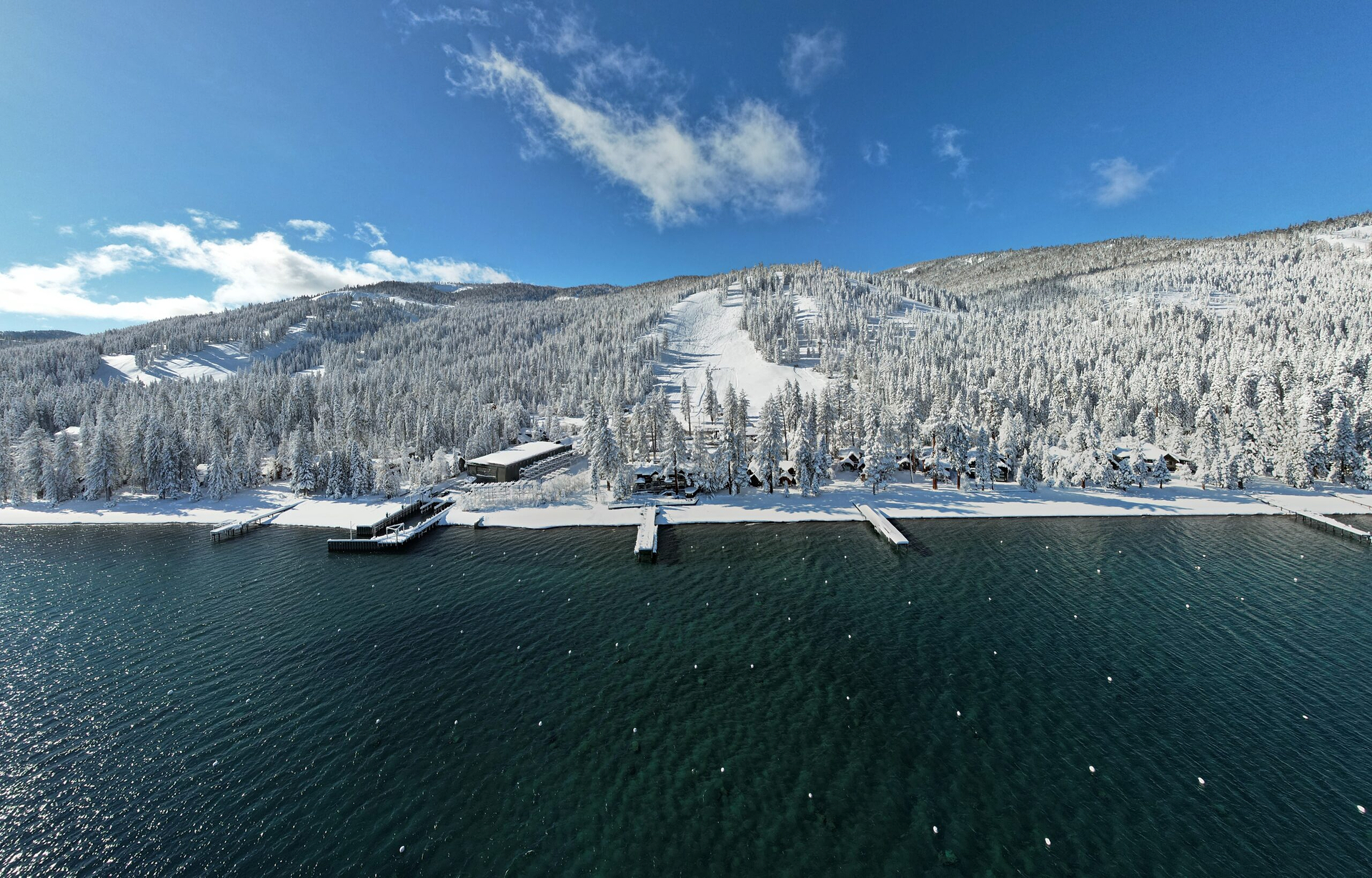
On Tahoe’s West Shore, Homewood Mountain Resort—a favourite for locals and those in the know—has reopened after a winter of closure. With a day ticket price that’s one of the most affordable in the area and terrain that rings in as exceptional, the postcard-worthy views of Lake Tahoe will stick in your mind just like the real ones we used to buy and stick on our fridge to remind ourselves: we were here. www.skihomewood.com
With a day ticket that won’t drain your wallet, funky little Donner Ski Ranch is a great reminder that skiing can still have soul—and be affordable. With owners Janet and Marshell Tuttle reinvesting every dollar made into the ski hill on historic Donner Summit, this family-friendly spot truly embodies the spirit of inclusivity. Bonus points for the legendary restaurant, Old 40 Bar & Grill, with its juicy, diner-style burgers. www.donnerskiranch.com
Held in esteem as one of America’s premier chairlifts, Palisades Tahoe’s KT-22 provides access to steep, challenging terrain, which, if you manage to catch it after a storm, can provide a day you will never forget. Think small, Alaska-like spines mixed with lots of other features and smooth runouts. Be prepared for long line-ups, chances to spot ski celebrities, and some of the best inbounds skiing anywhere. More about Palisades Tahoe here.
With vertical drops of up to 1,800 feet (550 m) and numerous steep chutes, Mt. Rose provides a good alternative if you want to avoid crowds while still seeking challenging, fun terrain. Located in Nevada, just twenty minutes along State Route 431 from Incline Village, Mt. Rose boasts the highest base elevation of all Tahoe ski areas at 8,260 feet (2,517 m). Easy-access ski touring is also available nearby, atop the pass, shortly before the turnoff to the ski resort. www.skirose.com
The Lake Run from Sugar Bowl’s Mt. Judah/Donner Peak to Donner Lake is a backcountry adventure that should be on everyone’s bucket list. Accessed through a gate at the resort, make sure you’re carrying avalanche gear and otherwise prepared for self-rescue. Including both ski-touring and challenging downhill skiing, this scenic itinerary offers an epic experience that might inspire you to seek more of the same. To return to Sugar Bowl, arrange a car shuttle at the West End Beach parking lot or catch a bus.
RMU is an independent ski company from Colorado with multiple hubs across North America, and the Truckee location has been a community fixture for many years. Well known for creating good vibes, RMU Truckee serves some of the best burgers in town and regularly hosts fun parties. While you’re there, you should also check out their skis, built at Åre Skid Fabrik near the Stellar Equipment HQ in Åre, Sweden. www.rmumtnculture.com
On Tahoe’s West Shore, Homewood Mountain Resort—a favourite for locals and those in the know—has reopened after a winter of closure. With a day ticket price that’s one of the most affordable in the area and terrain that rings in as exceptional, the postcard-worthy views of Lake Tahoe will stick in your mind just like the real ones we used to buy and stick on our fridge to remind ourselves: we were here. www.skihomewood.com
RELATED | Watch the Destination Guide – Sugar Bowl, USA
JOHN CRAWFORD-CURRIE is a Swedish writer, designer, entrepreneur, and an influential name in Scandinavian ski culture. He is a Co-Founder and CEO at Stellar Equipment and Interstellar. Last season he (allegedly) logged 78 ski days. @johncrawfordcurrie
JOHN CRAWFORD-CURRIE is a Swedish writer, designer, entrepreneur, and an influential name in Scandinavian ski culture. He is a Co-Founder and CEO at Stellar Equipment and Interstellar. Last season he (allegedly) logged 78 ski days. @johncrawfordcurrie
RELATED STORIES