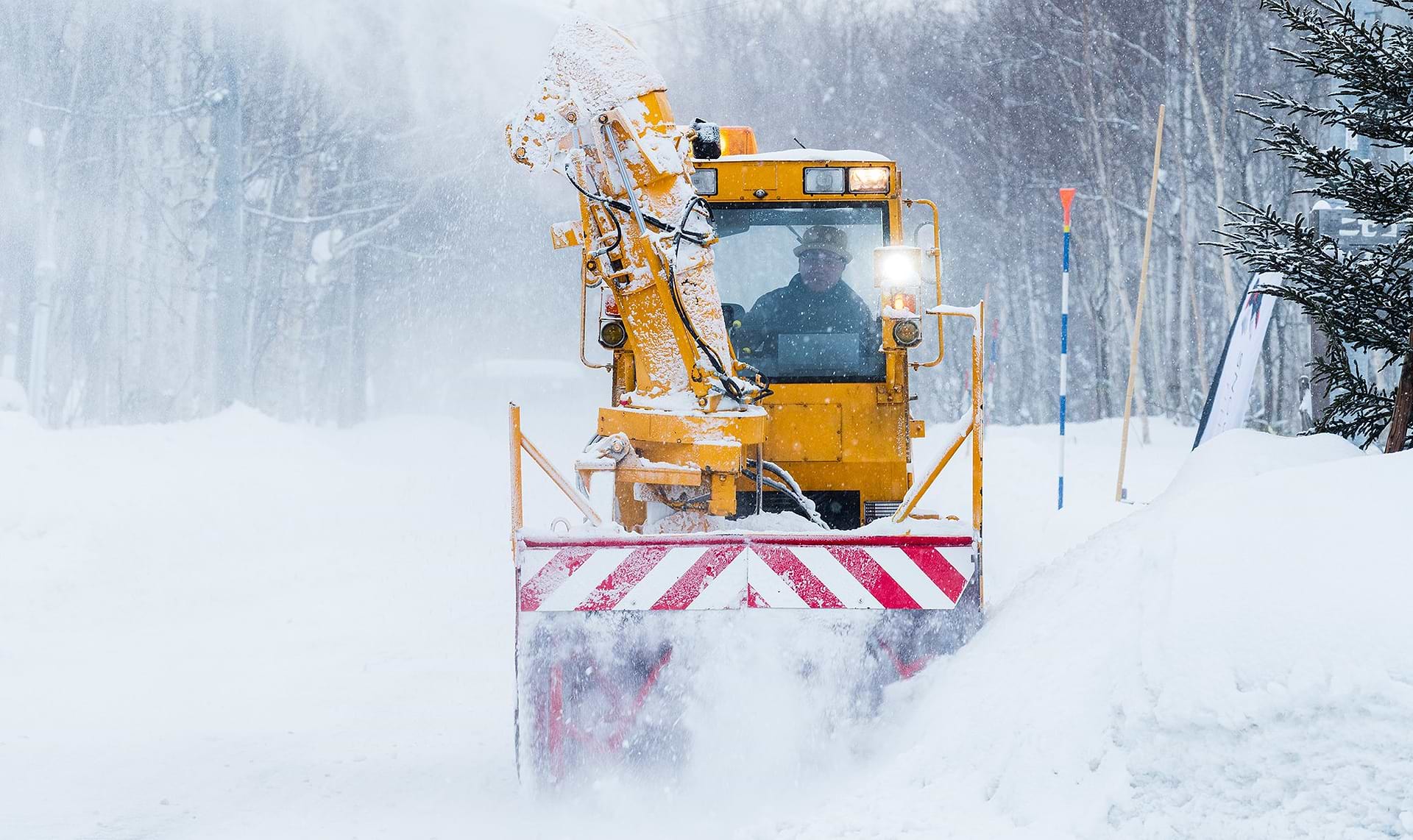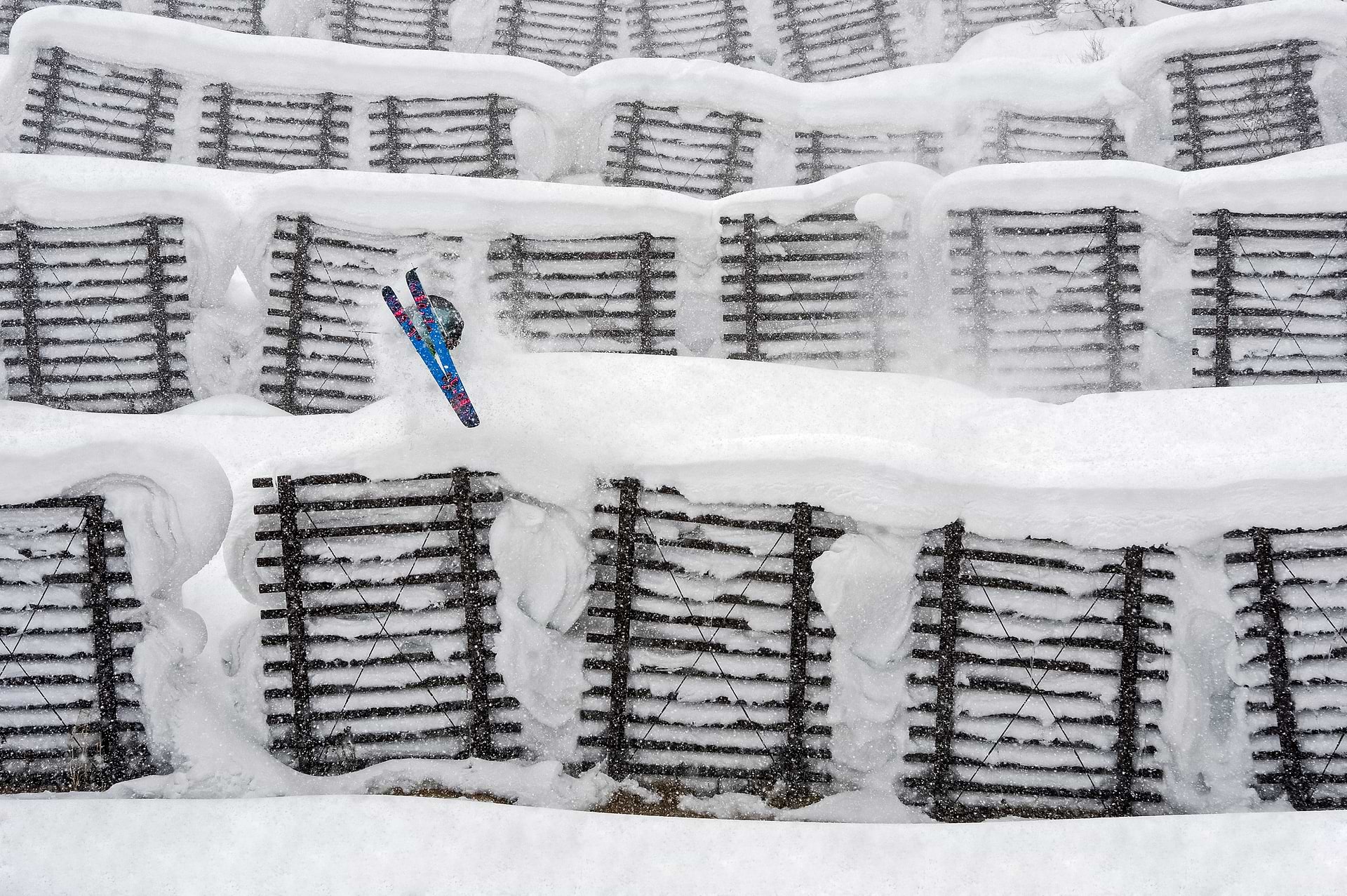
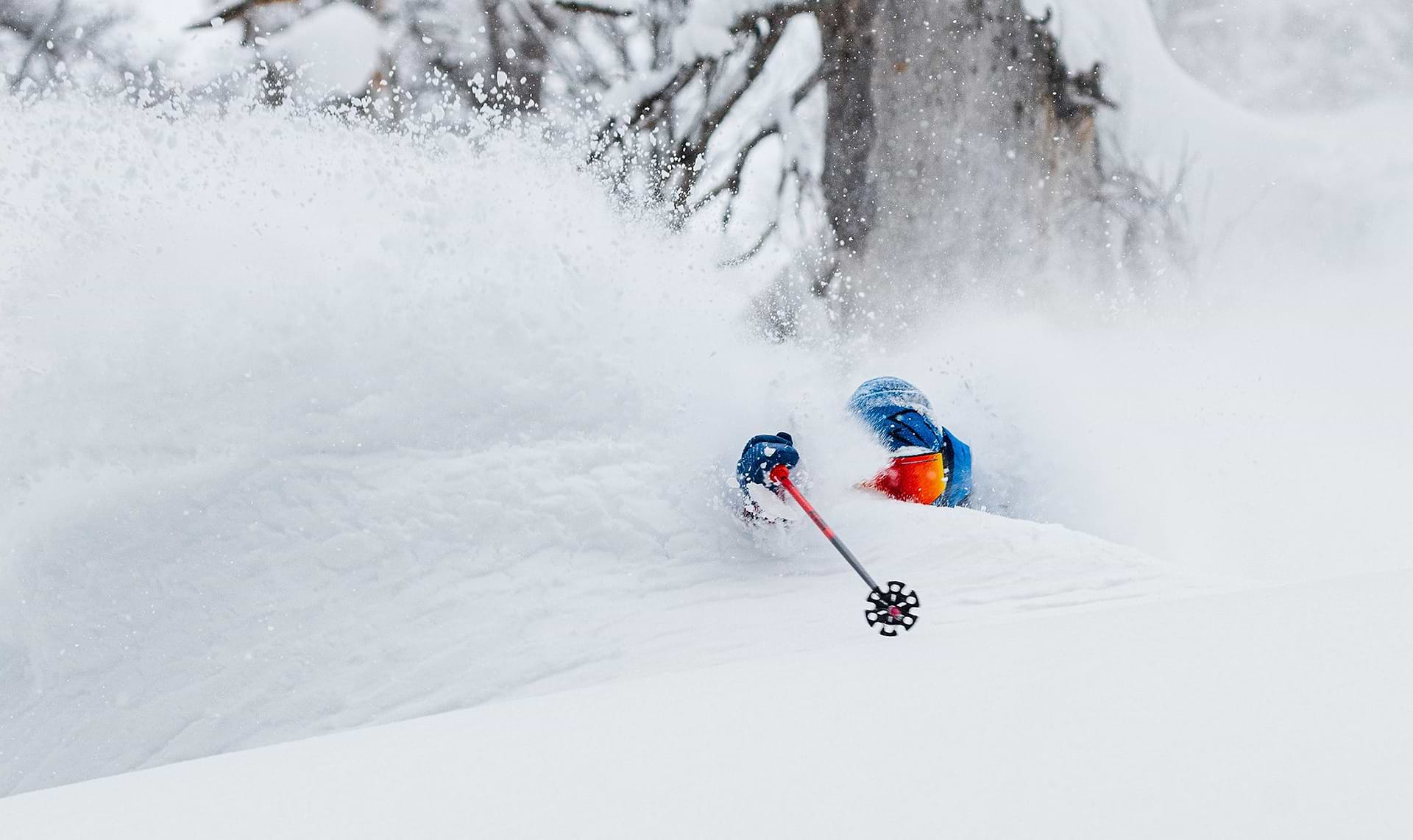
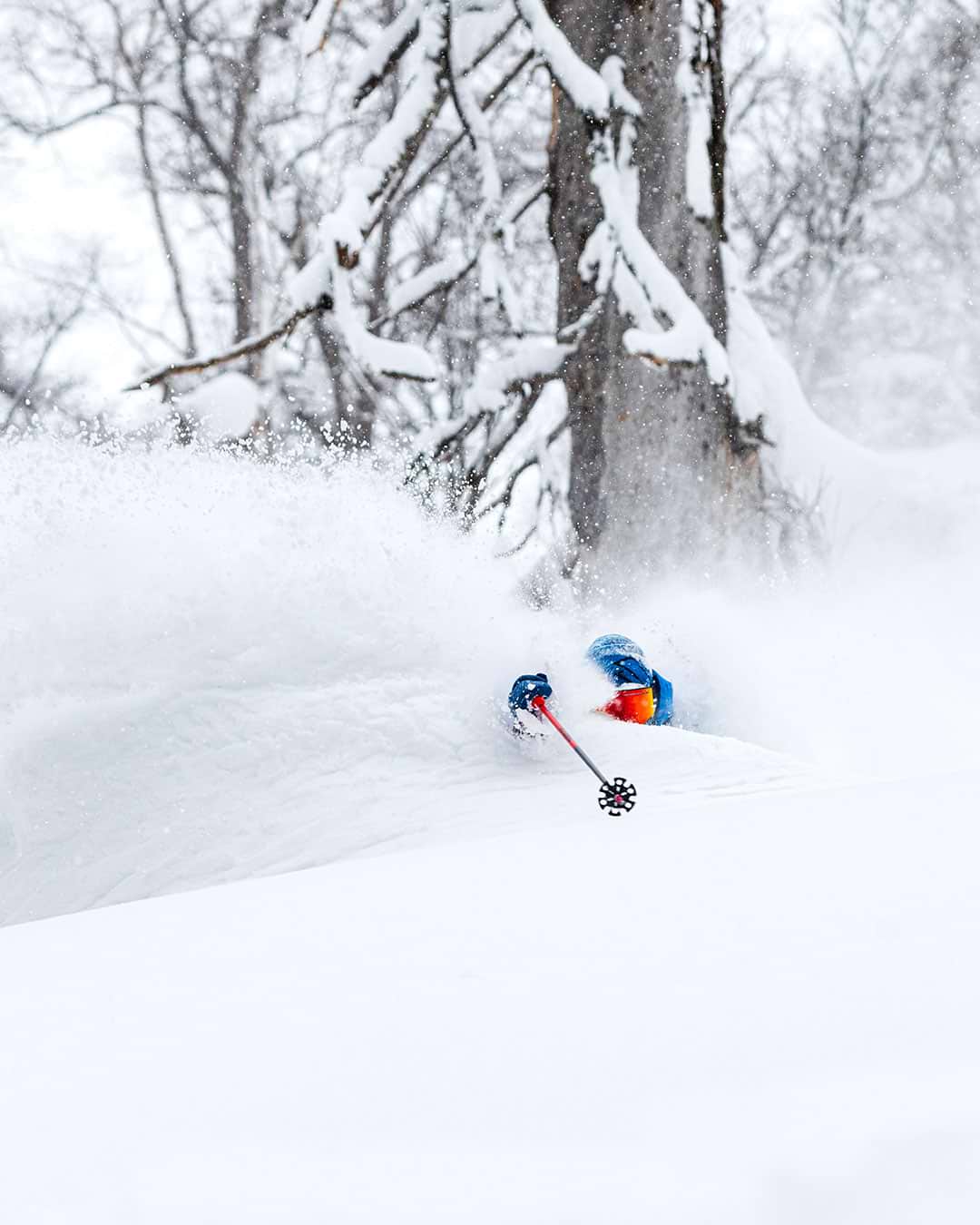
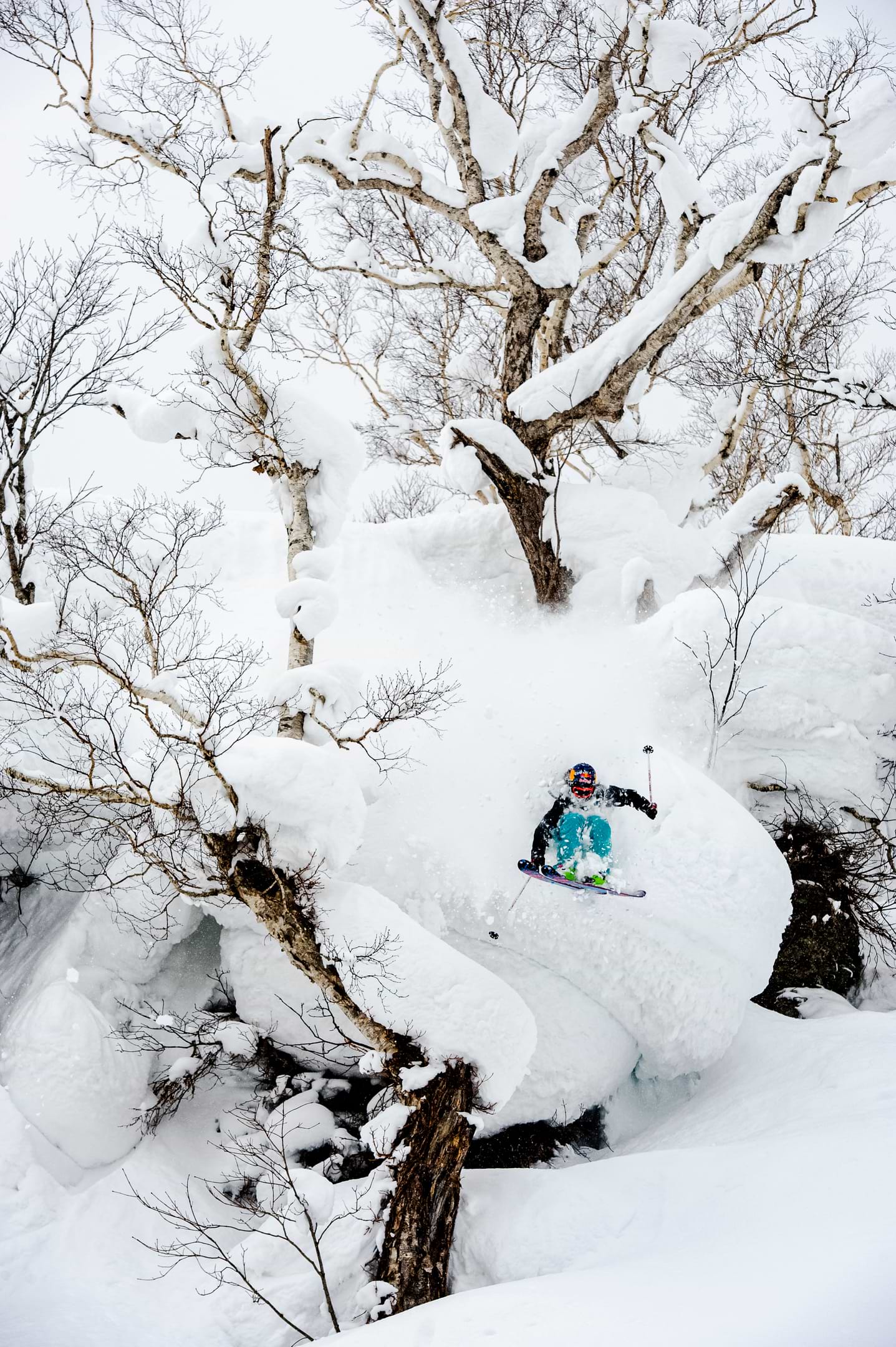
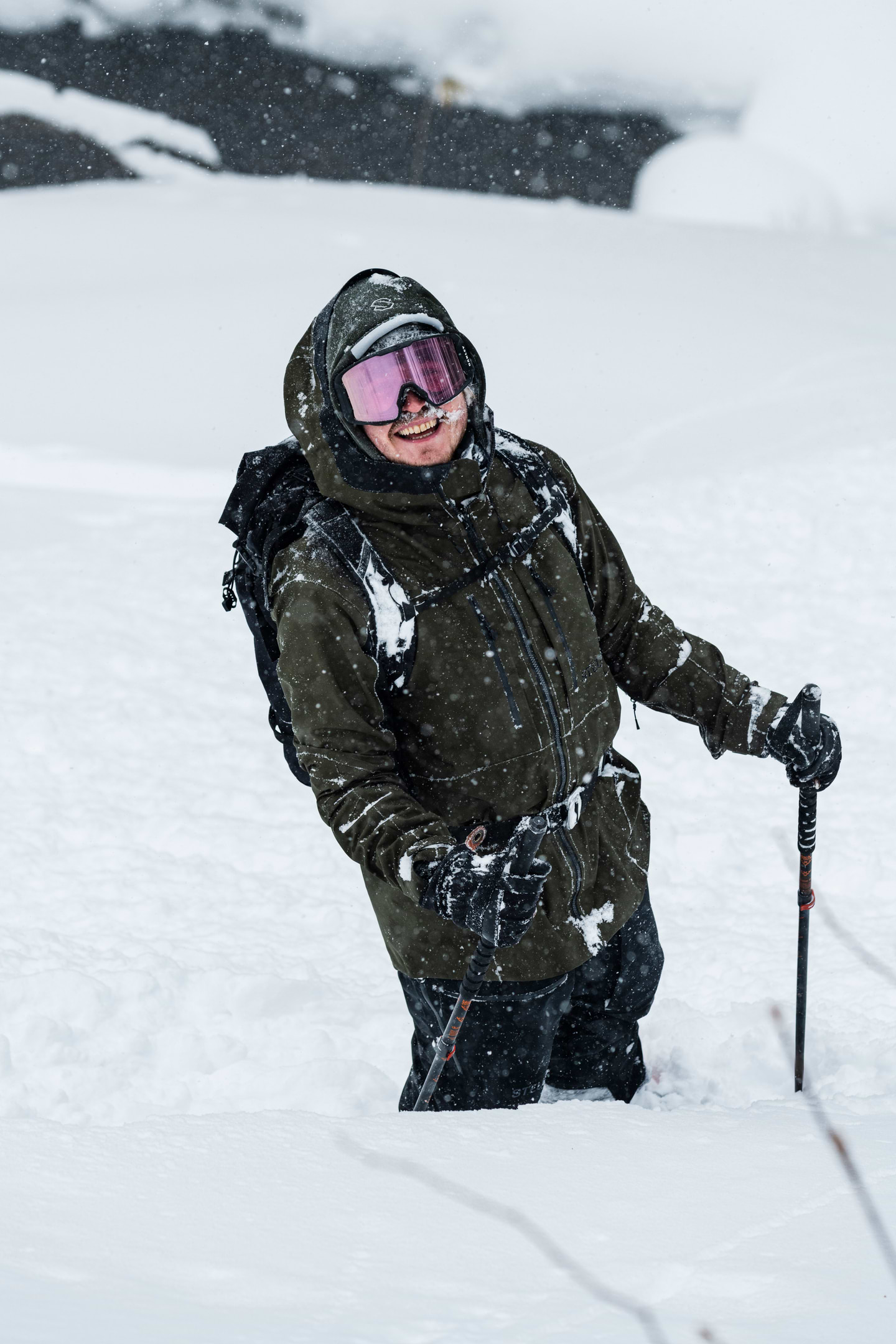
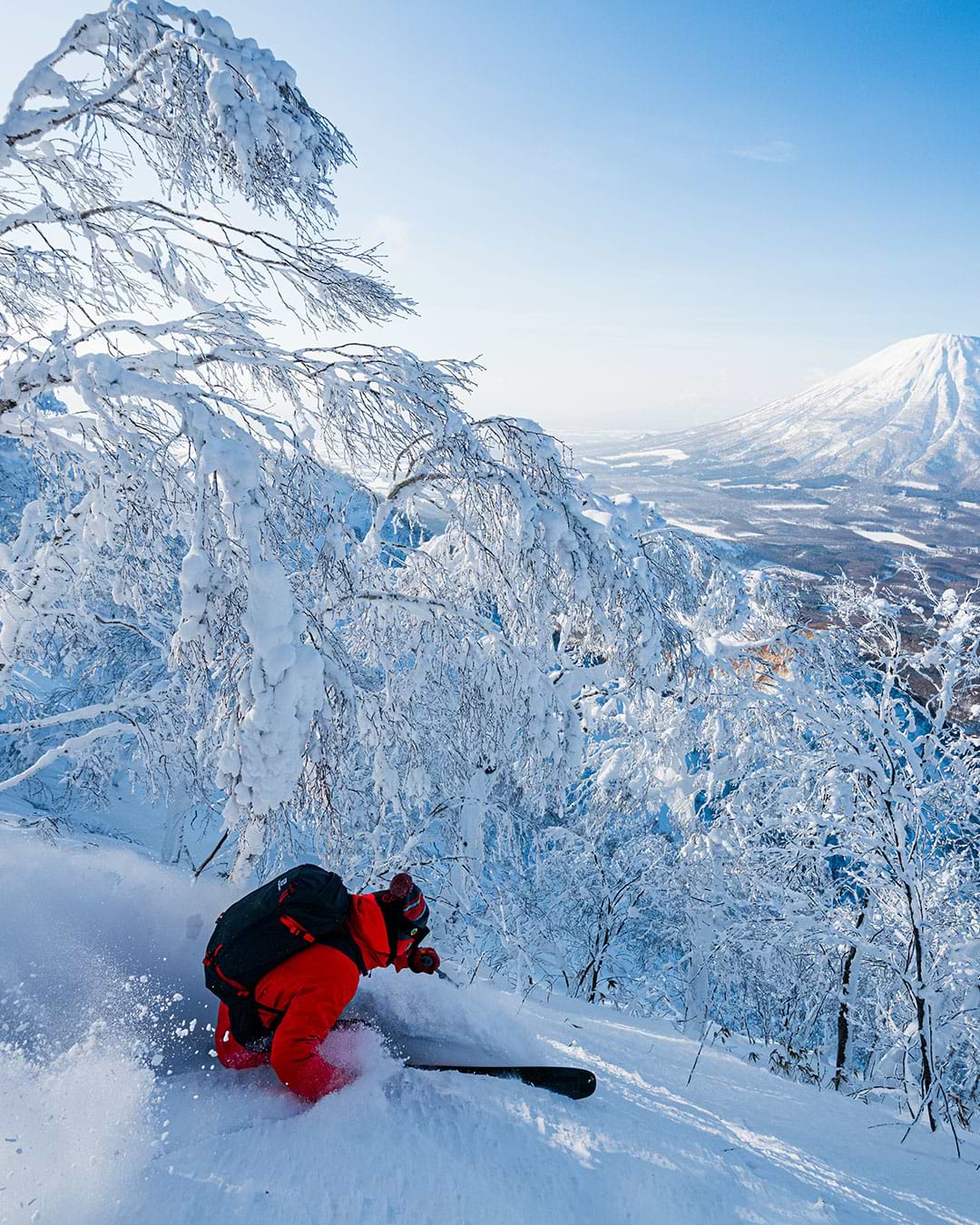
Edvin Olsson is a pretty tall guy, so this was an intense day, even for being on Hokkaido.
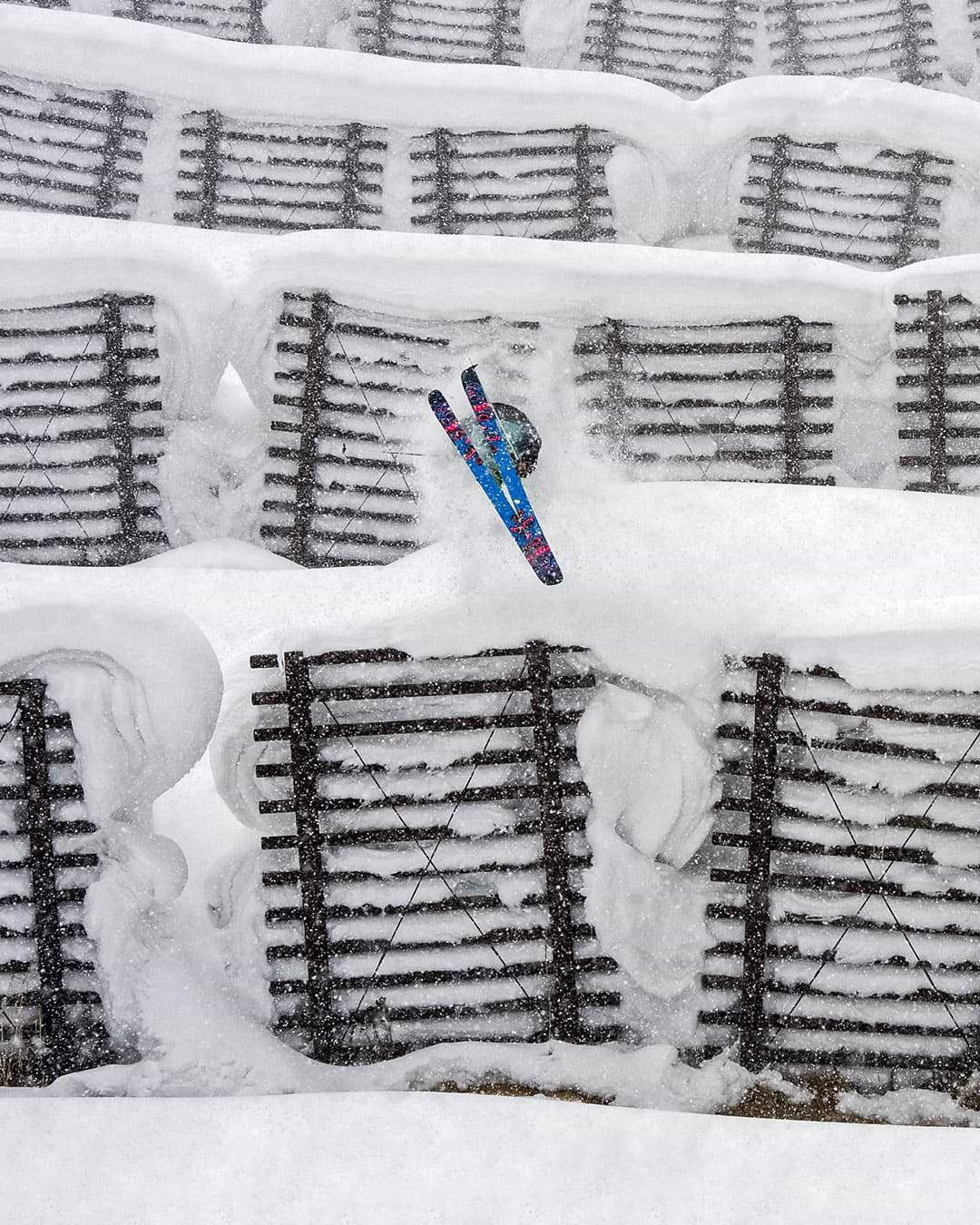
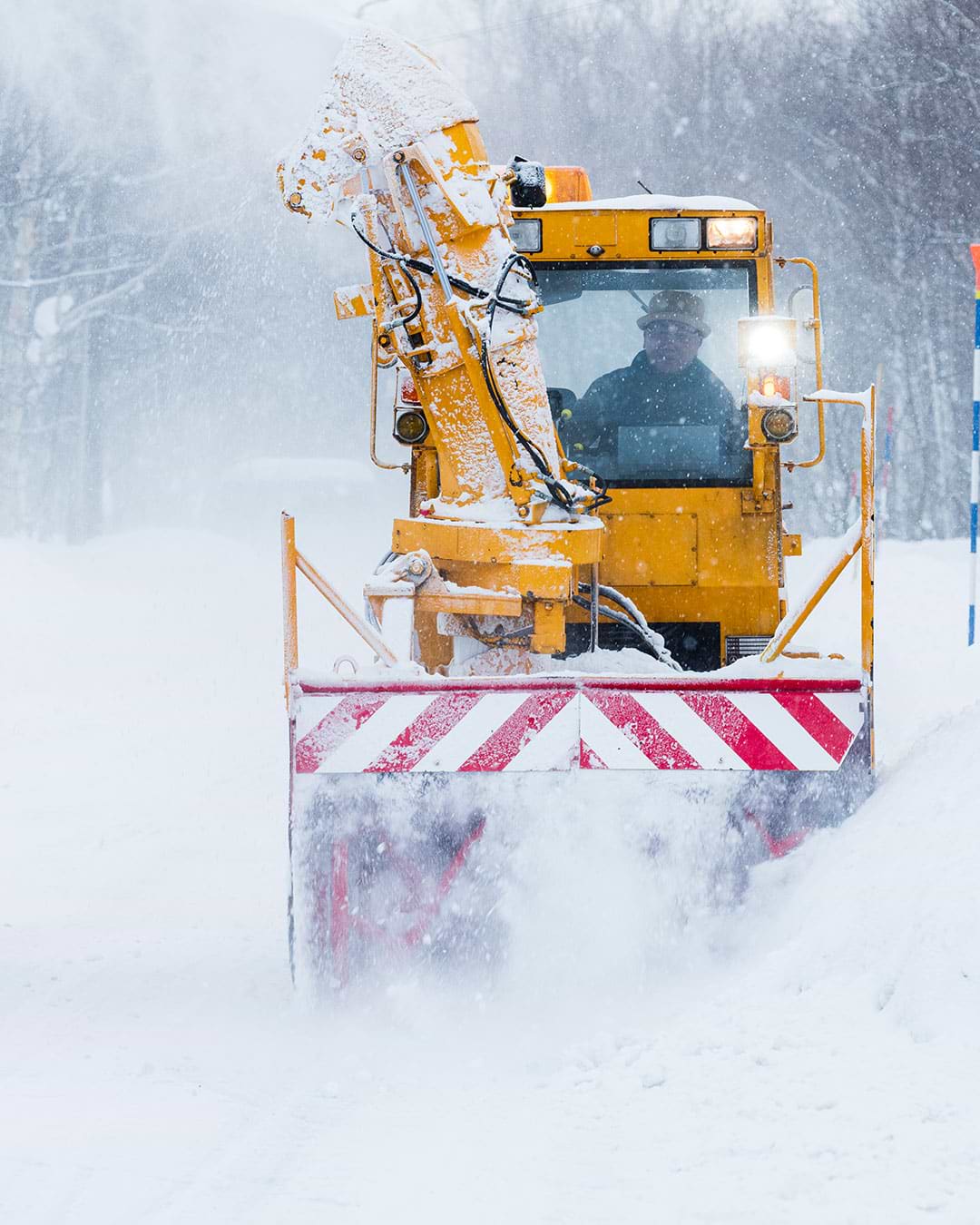
Located in the western part of the Japanese island of Hokkaido, fancy hotels, futuristic architecture, rabid real estate, a four-resort merger, and an explosion of restaurants have changed Niseko from its farm-focused roots with a side of skiing into a world-class international destination. Close to the snow-making ocean, so far (take this as a climate-change disclaimer), its famed sky-loads of powder remain reliable from November through March. Thus, the best way to introduce this powder haven is with a traditional Japanese Haiku: So much snow fallen / No one can even measure / This perfect Japan.
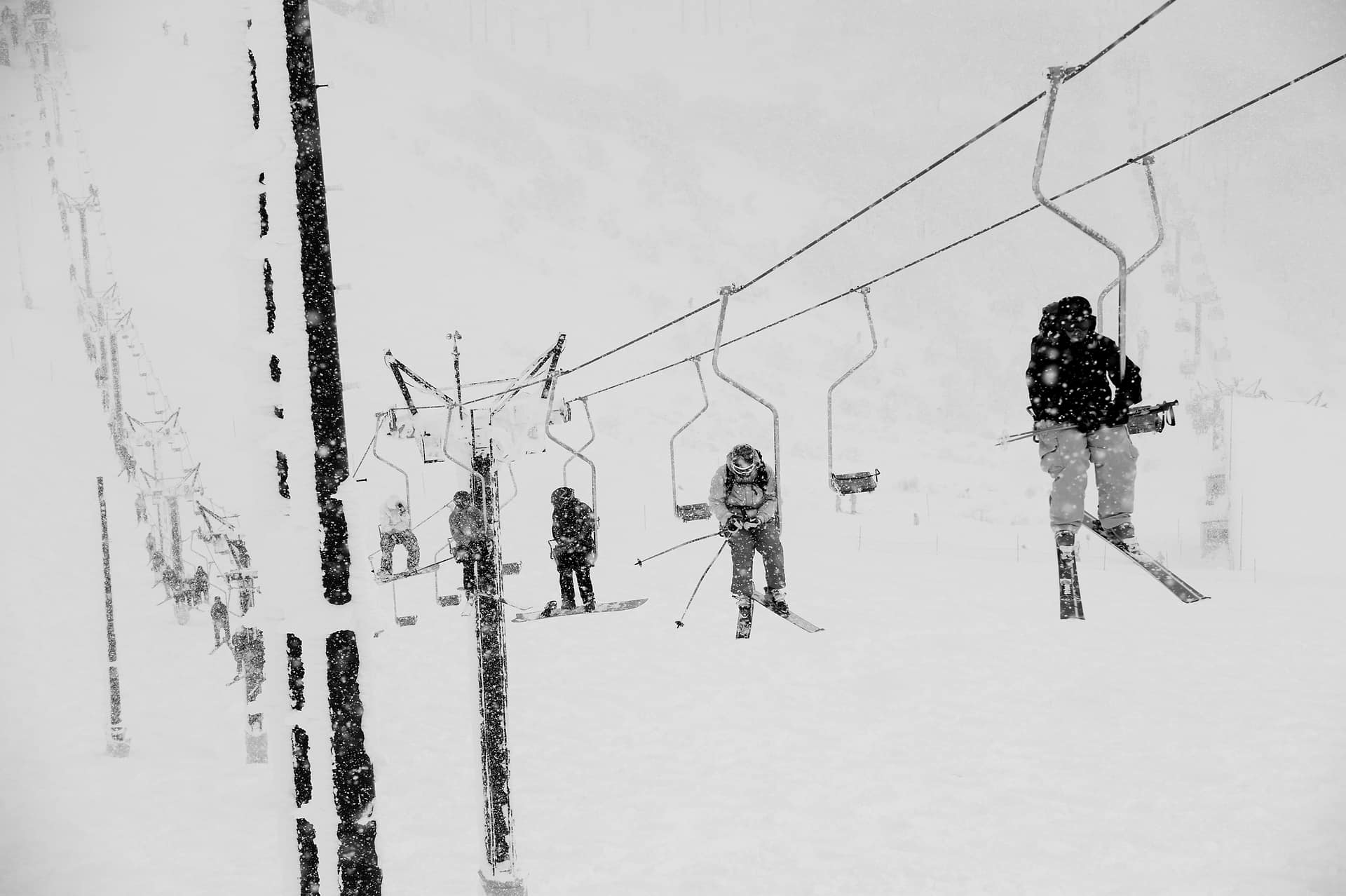
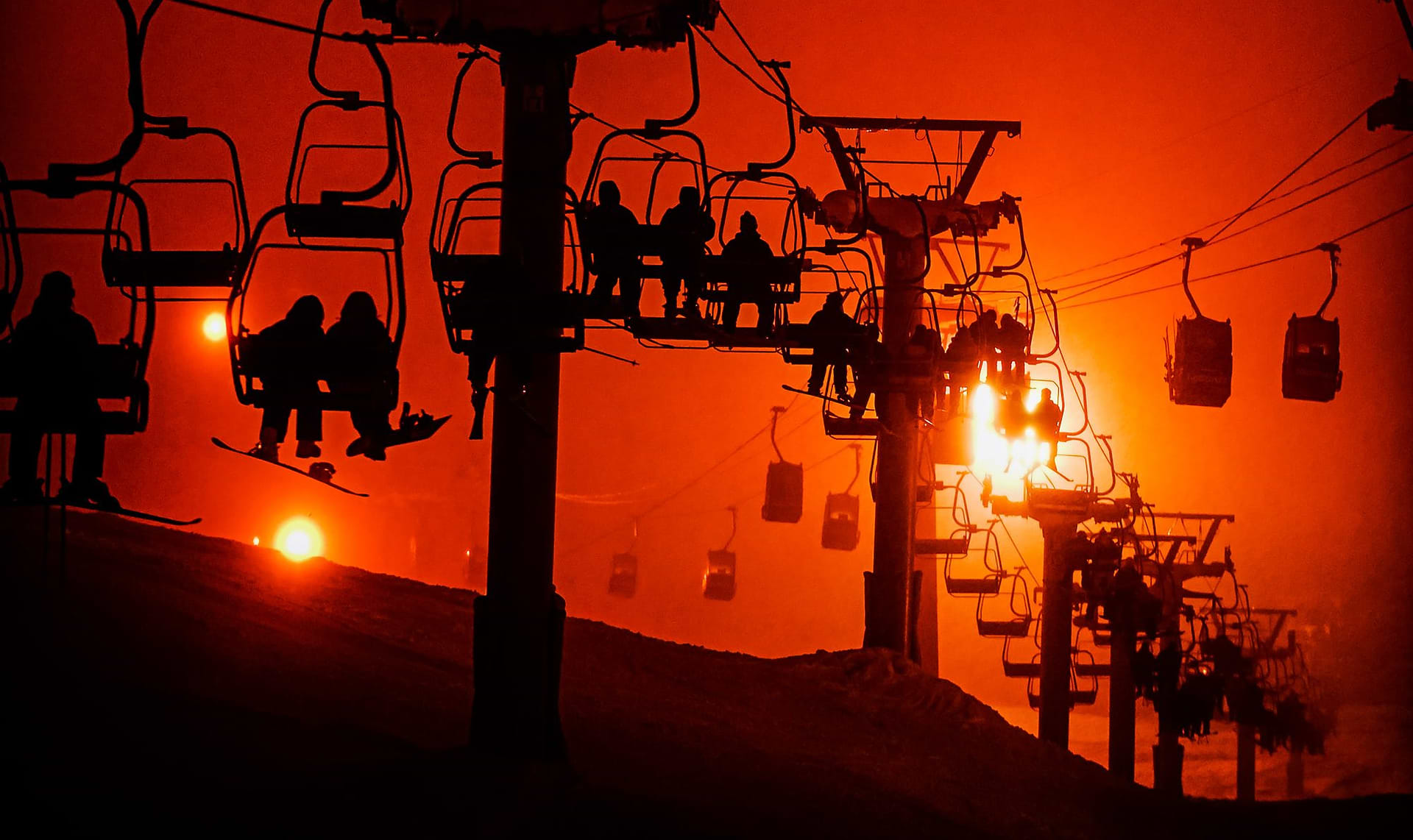
The peak of Mt. Annupuri, above Niseko, is a government-owned national park, meaning construction near the peak becomes time-consuming and bureaucratic. This is one of the reasons you can still jump on single-seat relics like this beauty.
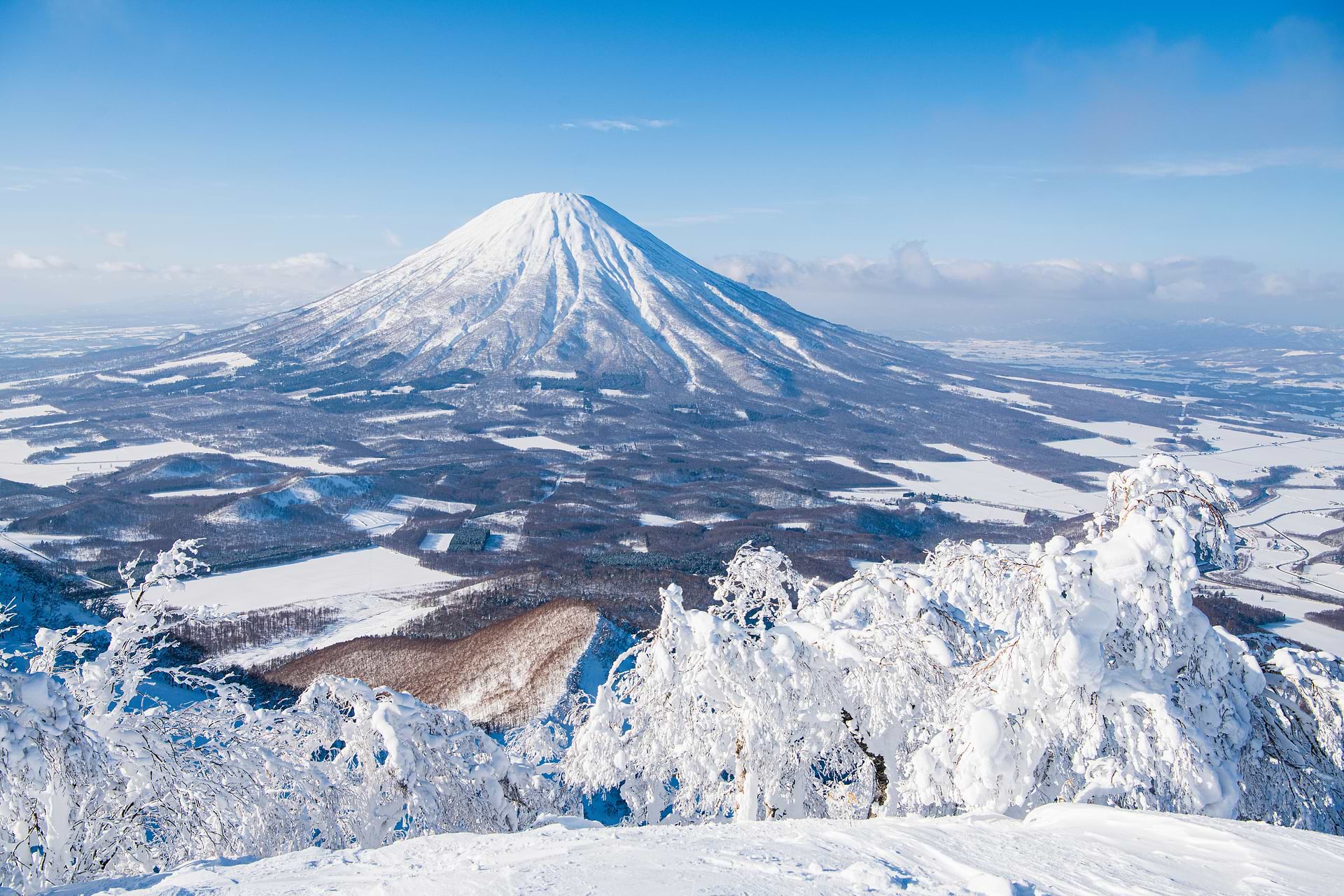
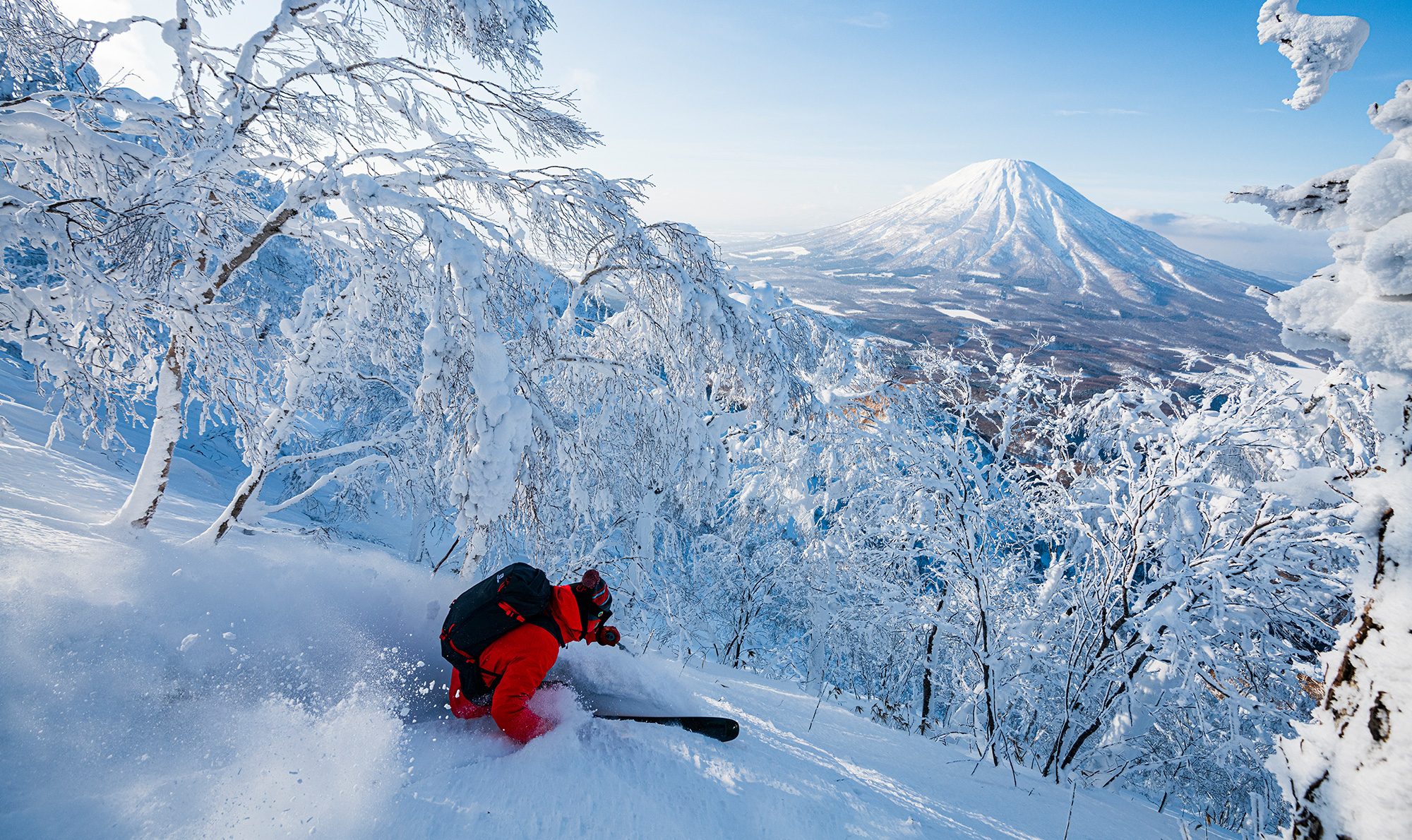
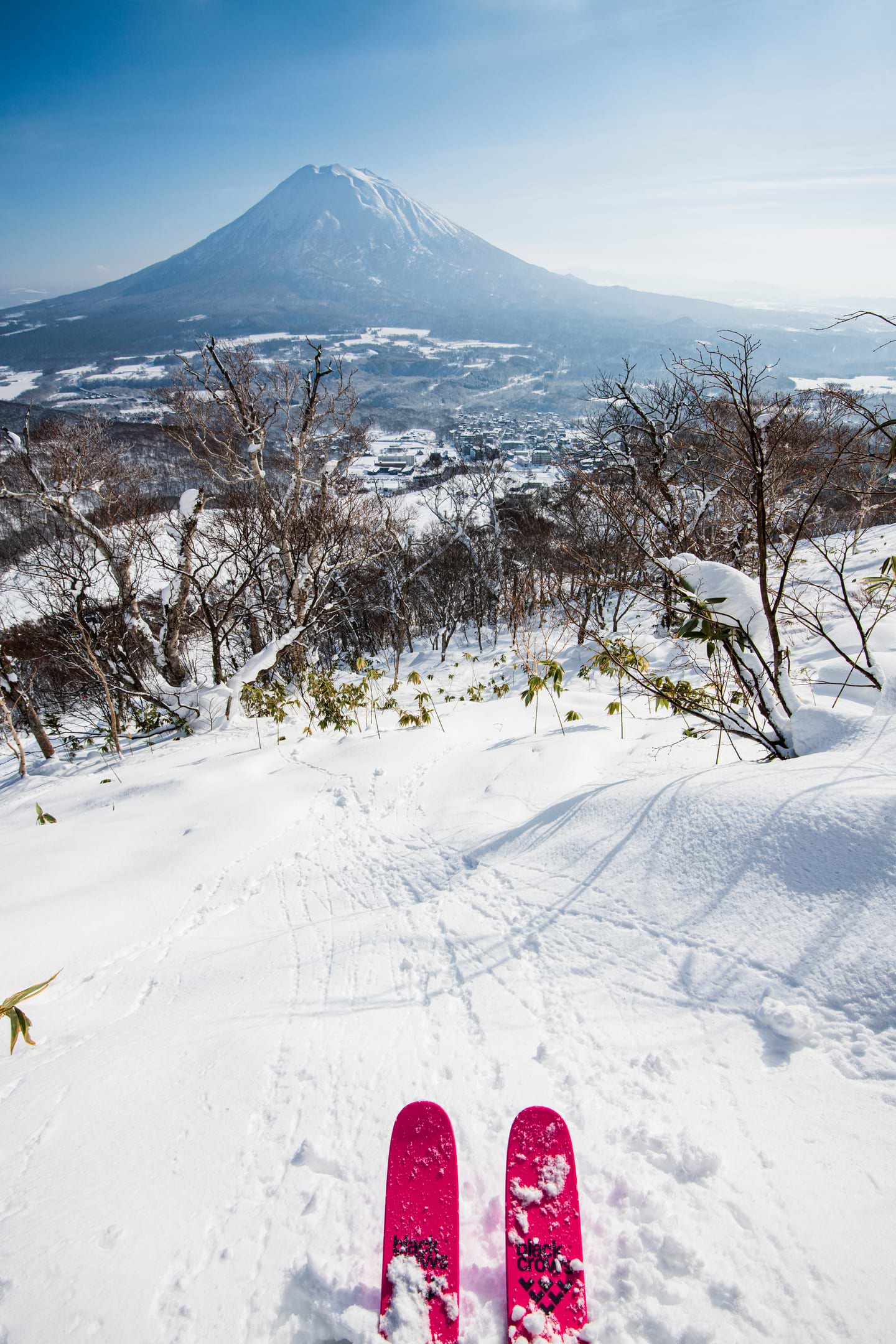
Mount Yotei is probably Hokkaido’s most famous mountain. For visiting backcountry travellers,’ the 1,898-meter active stratovolcano is often on the bucket list to climb and ski.
Niseko comprises four ski areas on Mount Annupuri — Niseko Grand Hirafu, Niseko Village, Niseko Annupuri and Hanazono — all accessed under the Niseko United ticket. With preternatural amounts of snow filling mellow, wide-open bowls and decorating the more challenging tree runs with phantasmagorical shapes, an understanding of aspect and wind direction are keys to the goods.
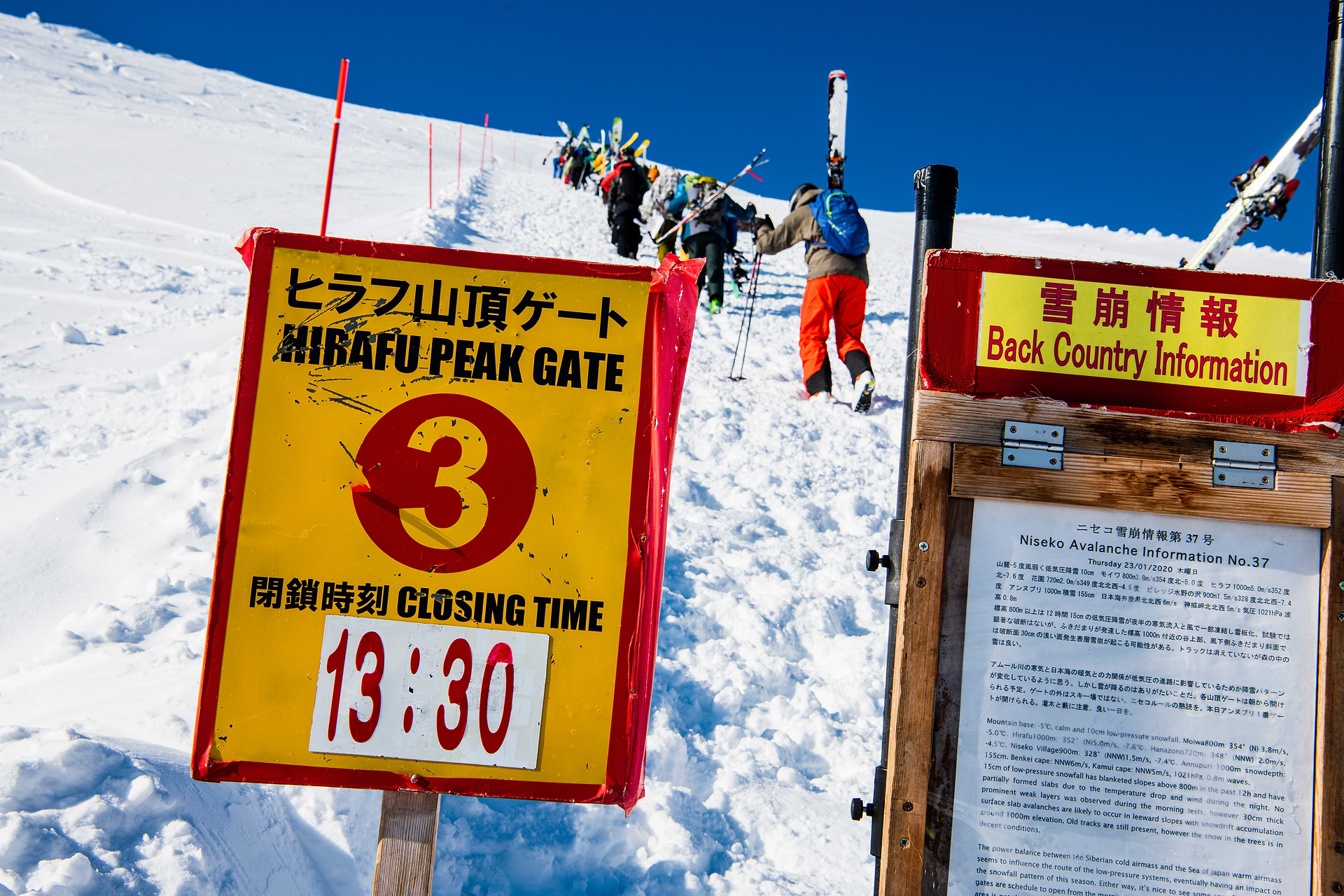
put in place because of the sheer number of people skiing off-piste — provide access to the best skiing and deepest lines. But be careful: huge fines can be levied when you don’t respect their closures.
is generally reached from Hirafu Peak Gate 3, Annupuri Peak (Gate 2) at much quieter Niseko Annupuri is a good alternative. Access is from the Jumbo Pair Lift #4, a haul from the base, but long runs in wide-open bowls with few trees make up for it.
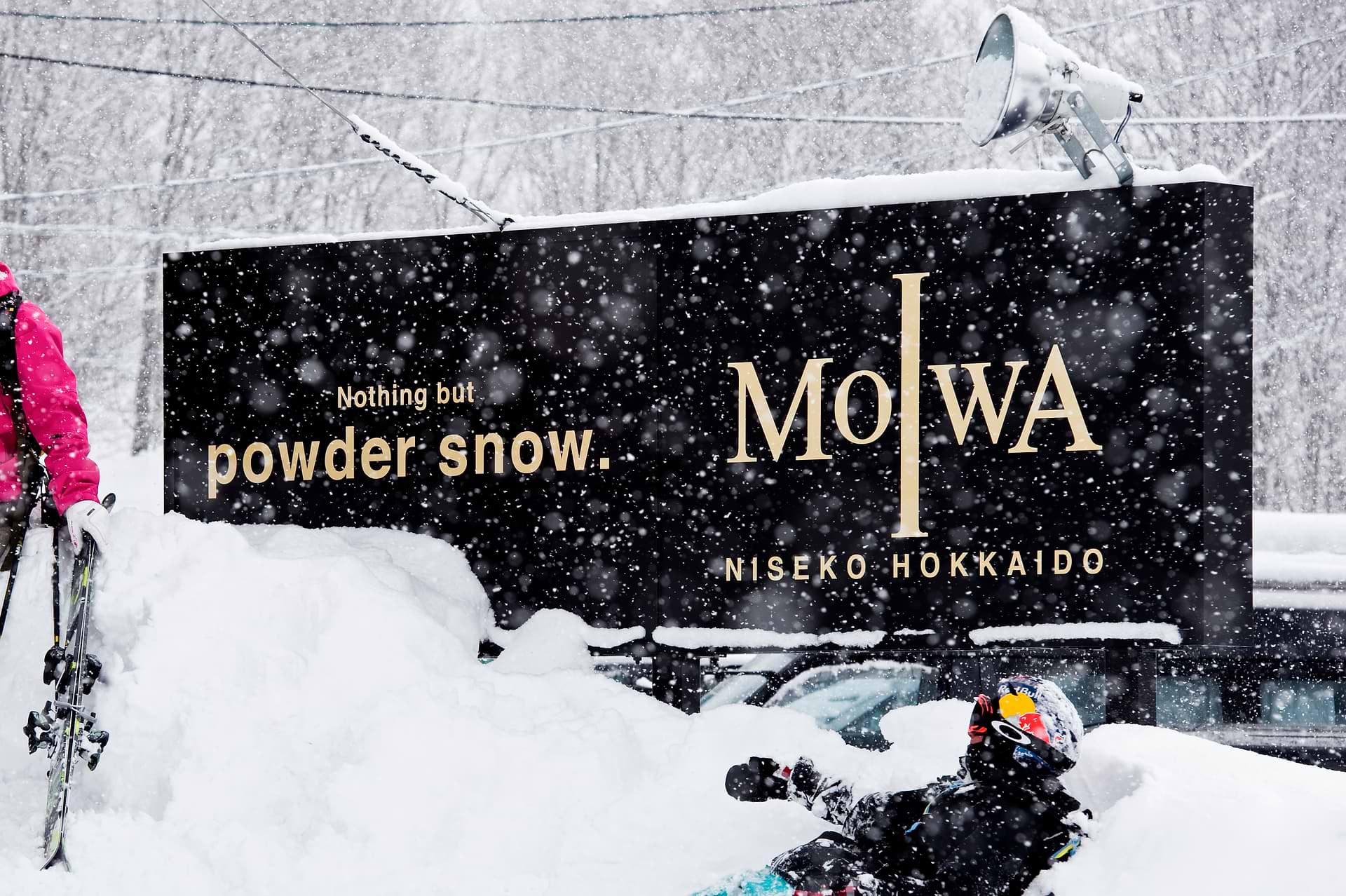
from the crowds spread around Niseko United on Mount Annupuri should check out nearby Moiwa, a separate three-lift resort with a more laidback vibe and decent backcountry.
is located looker’s left of the Center Four Chairlift on the lower aspect of Grand Hirafu. Traversing furthest around delivers the steepest lines. Runs are short, but the turns can be good enough to make you cry.
lead directly back onto some marked run or collecting road, meaning there isn’t much chance of getting lost — unless you somehow miss the exit tracks when the snow is too deep.
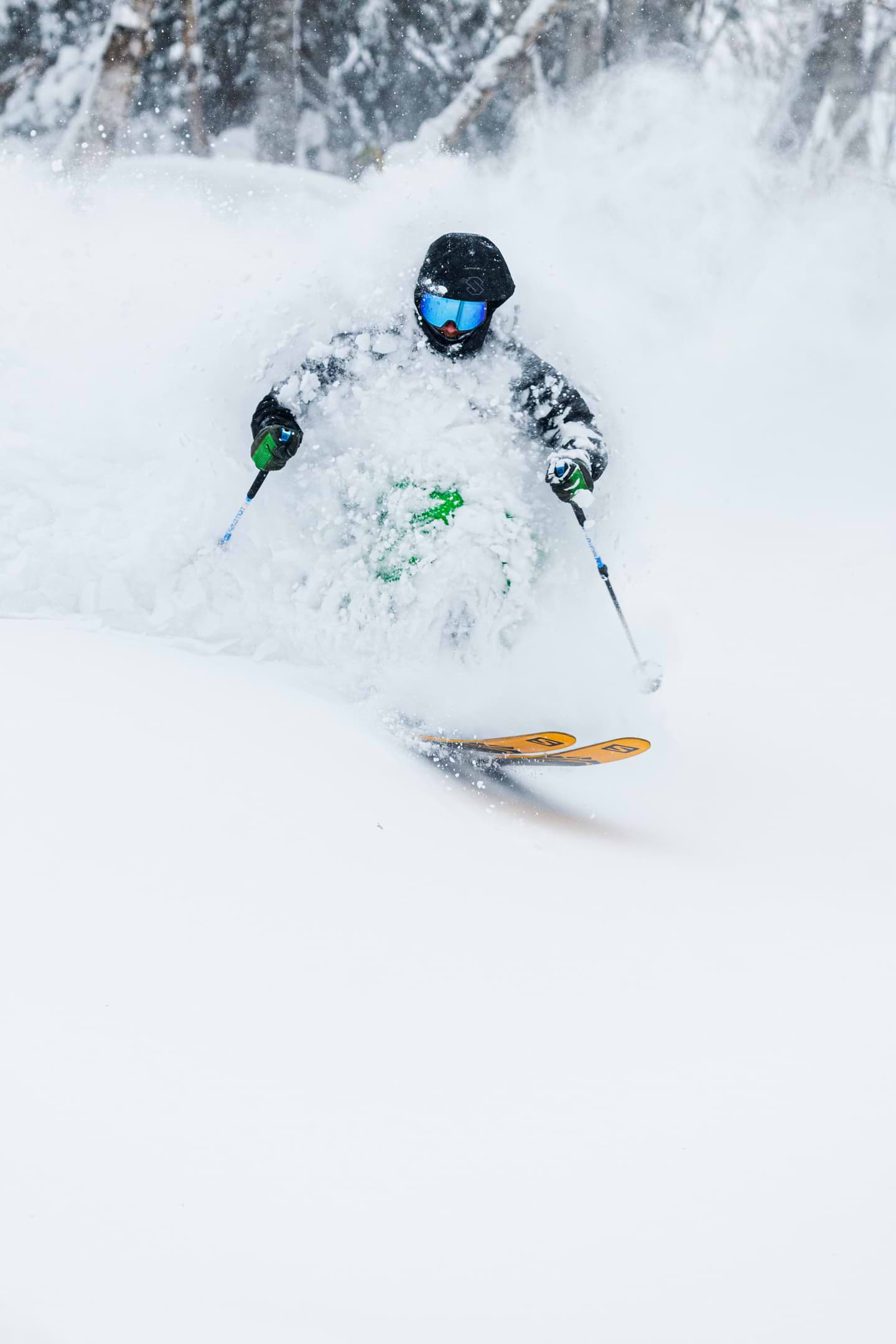
but when it’s open, avalanche-controlled Mizuno no Sawa (Gate 11) is worth the short walk above the Niseko Village Gondola. Predominant winds fill this terrain regularly — the most effortless turns are beneath the gondola, but a steeper valley to the right has the best skiing.
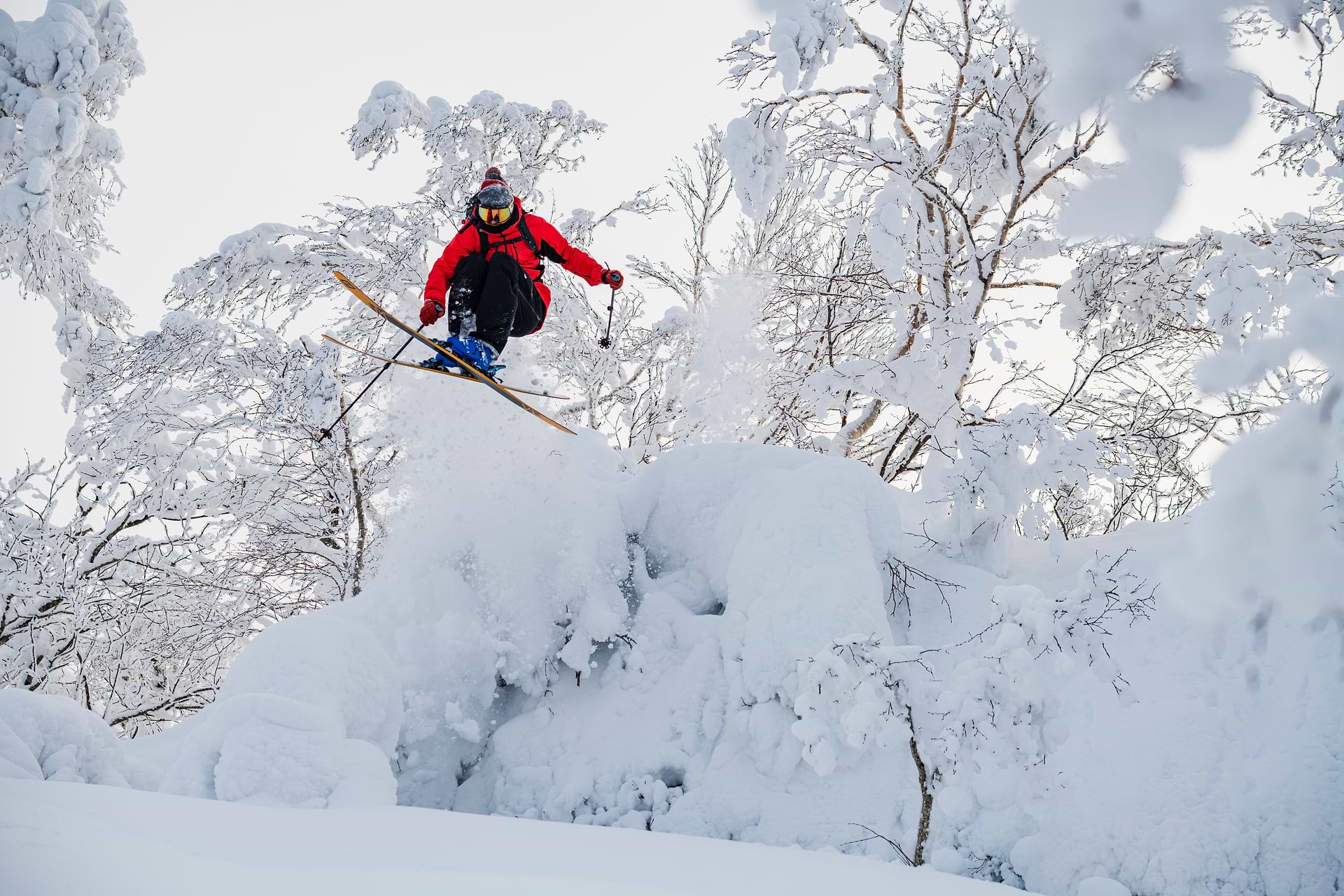
between Hanazono Lift #2 and Hirafu’s Holiday Run leads to a zone where snow collects in well-spaced trees. A short drop leads back to Holiday Run or ski fall-line for a longer descent — though you’ll need to tackle creek crossings and avoid the waterfall itself.
put in place because of the sheer number of people skiing off-piste — provide access to the best skiing and deepest lines. But be careful: huge fines can be levied when you don’t respect their closures.
is generally reached from Hirafu Peak Gate 3, Annupuri Peak (Gate 2) at much quieter Niseko Annupuri is a good alternative. Access is from the Jumbo Pair Lift #4, a haul from the base, but long runs in wide-open bowls with few trees make up for it.
from the crowds spread around Niseko United on Mount Annupuri should check out nearby Moiwa, a separate three-lift resort with a more laidback vibe and decent backcountry.
is located looker’s left of the Center Four Chairlift on the lower aspect of Grand Hirafu. Traversing furthest around delivers the steepest lines. Runs are short, but the turns can be good enough to make you cry.
lead directly back onto some marked run or collecting road, meaning there isn’t much chance of getting lost — unless you somehow miss the exit tracks when the snow is too deep.
but when it’s open, avalanche-controlled Mizuno no Sawa (Gate 11) is worth the short walk above the Niseko Village Gondola. Predominant winds fill this terrain regularly — the most effortless turns are beneath the gondola, but a steeper valley to the right has the best skiing.
between Hanazono Lift #2 and Hirafu’s Holiday Run leads to a zone where snow collects in well-spaced trees. A short drop leads back to Holiday Run or ski fall-line for a longer descent — though you’ll need to tackle creek crossings and avoid the waterfall itself.
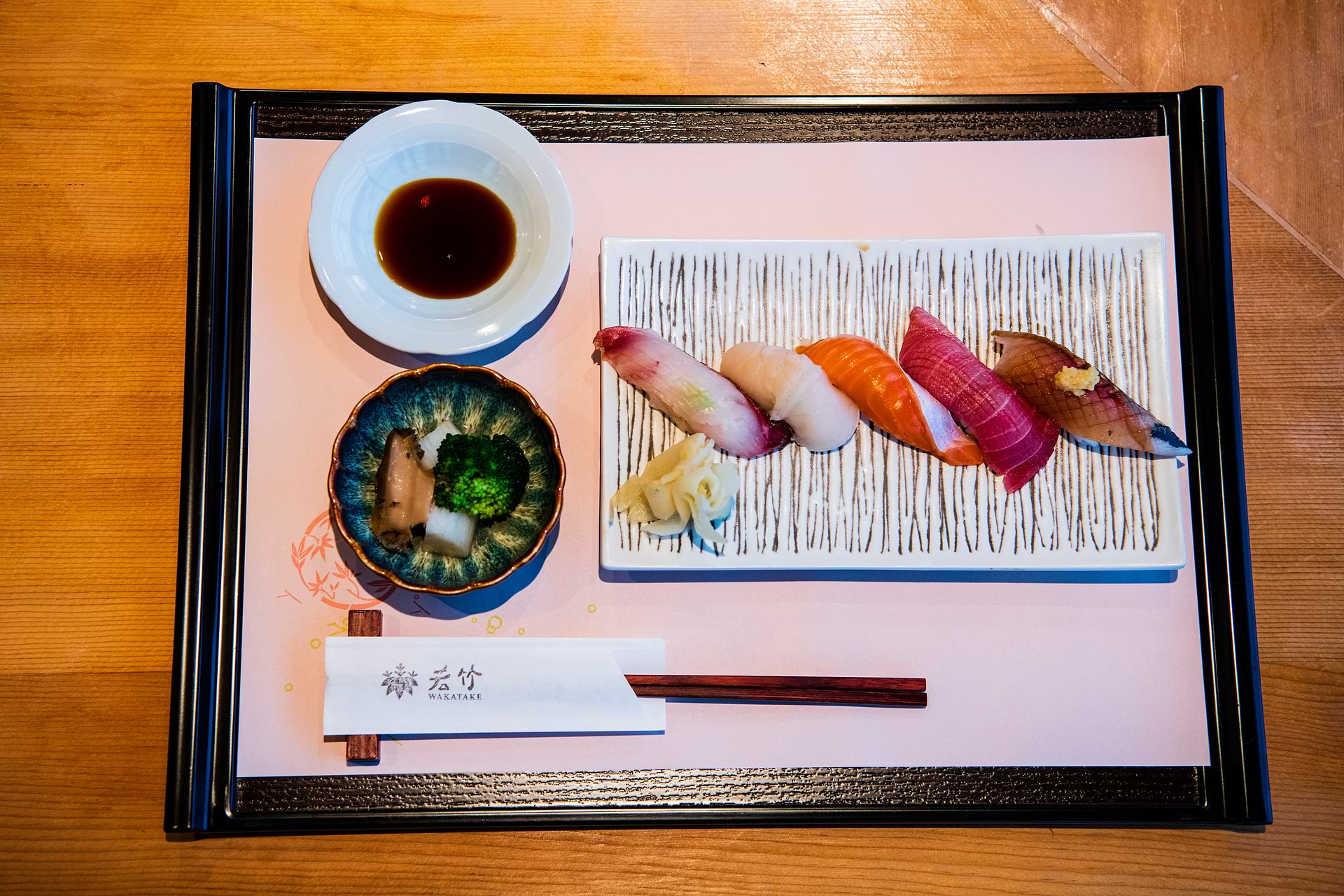
After an intense powder day, treat yourself to Wakatake Sushi, perhaps the hottest dinner reservation in Hirafu.
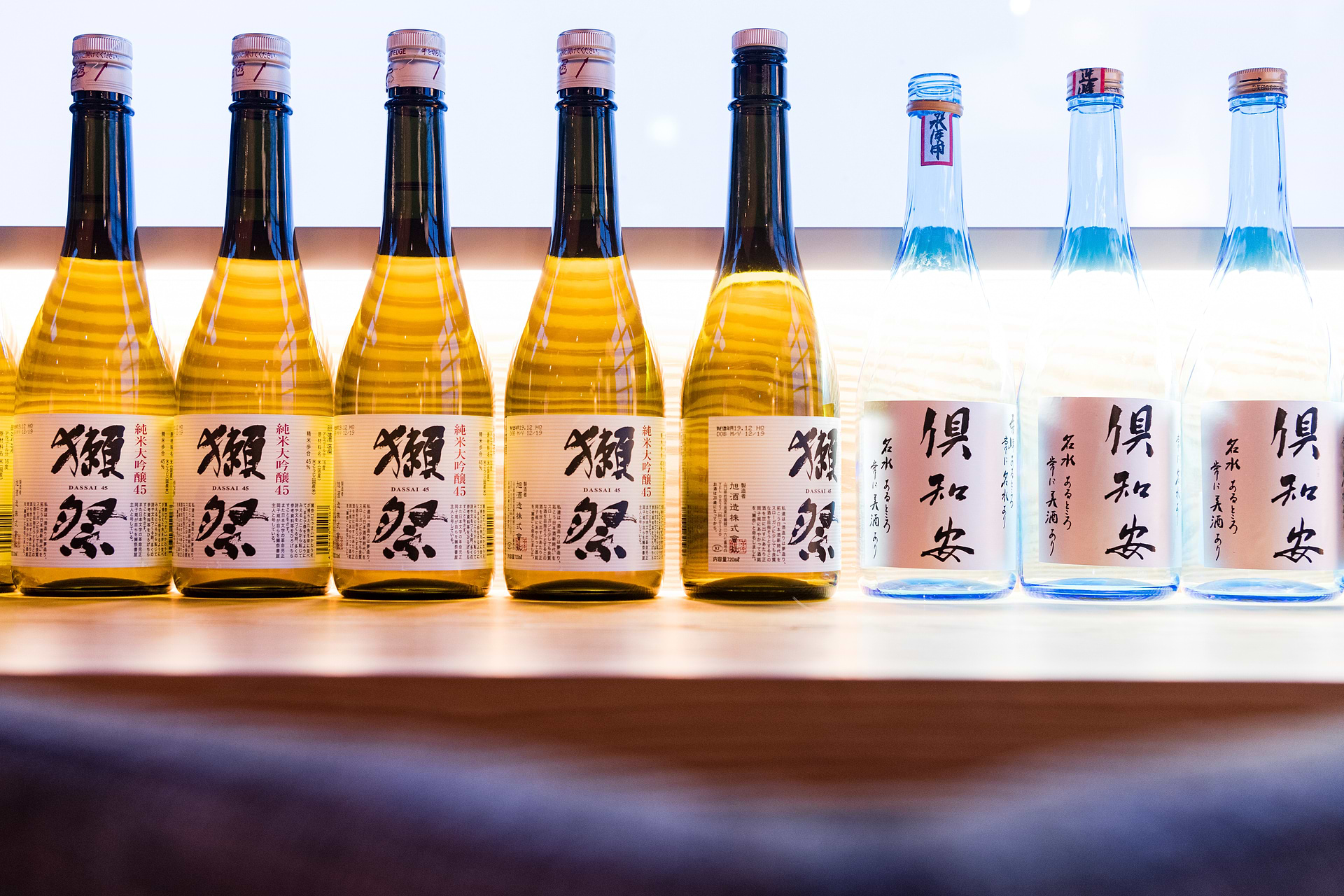
While you are at it, enjoy a bottle of Dassai, some of the finest sake.
A once-modest restaurant scene in Niseko is now approaching fabulous, with increased demand (and an influx of food-minded Aussies) delivering a spectrum of options to the resort’s beating heart — from exceptional fine dining to traditional izakaya-style restaurants and street food.
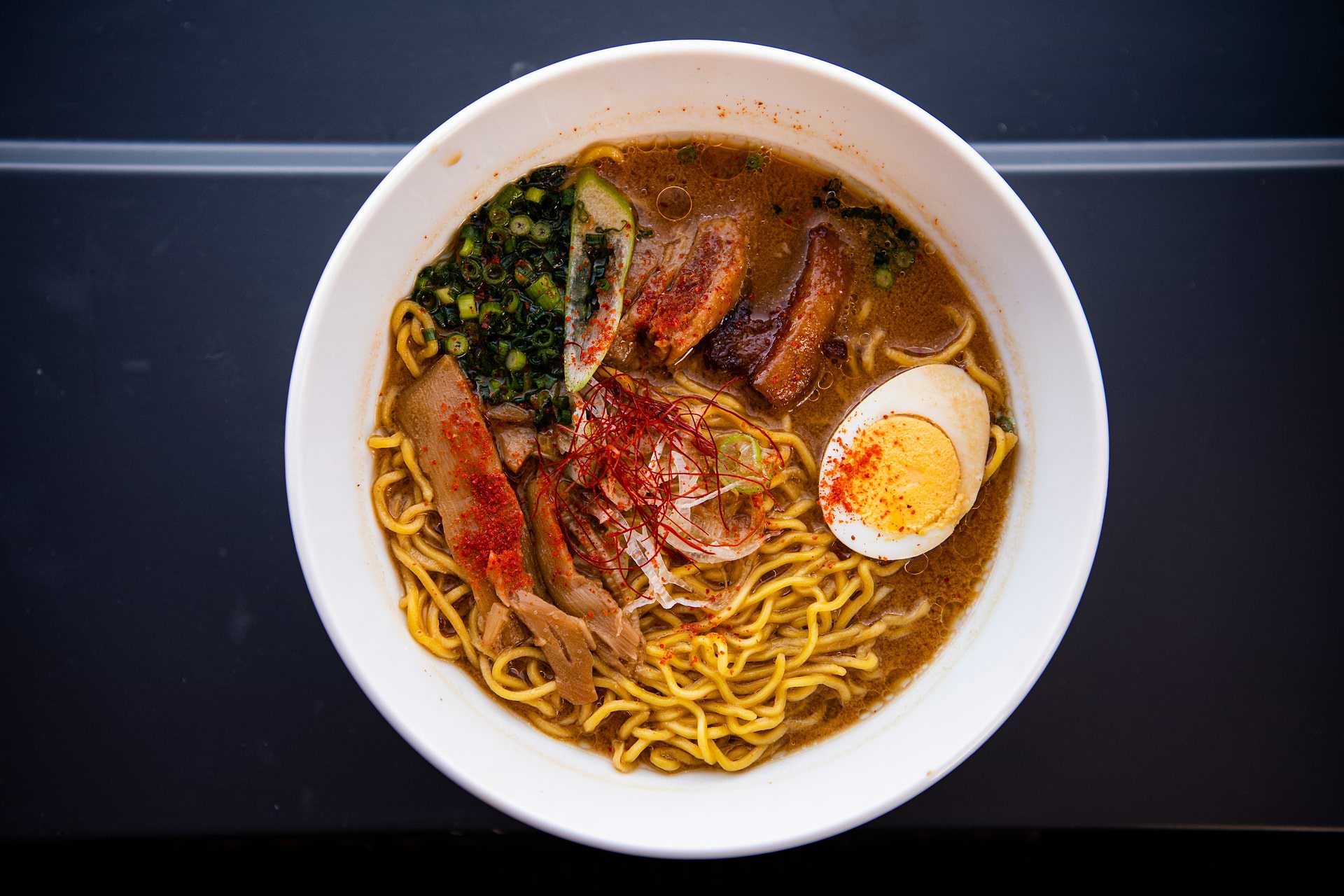
try Ace Hill atop Hirafu’s Ace Quad #2 (with excellent views of Mount Yōtei), New Sanko on Annupuri, and Two Sticks at Niseko Village. On Hanazono, Edge serves local faves, the beloved HANA 1 Cafe offers a perfect pow-session stop, and a range of options flood the Park Hyatt Niseko.
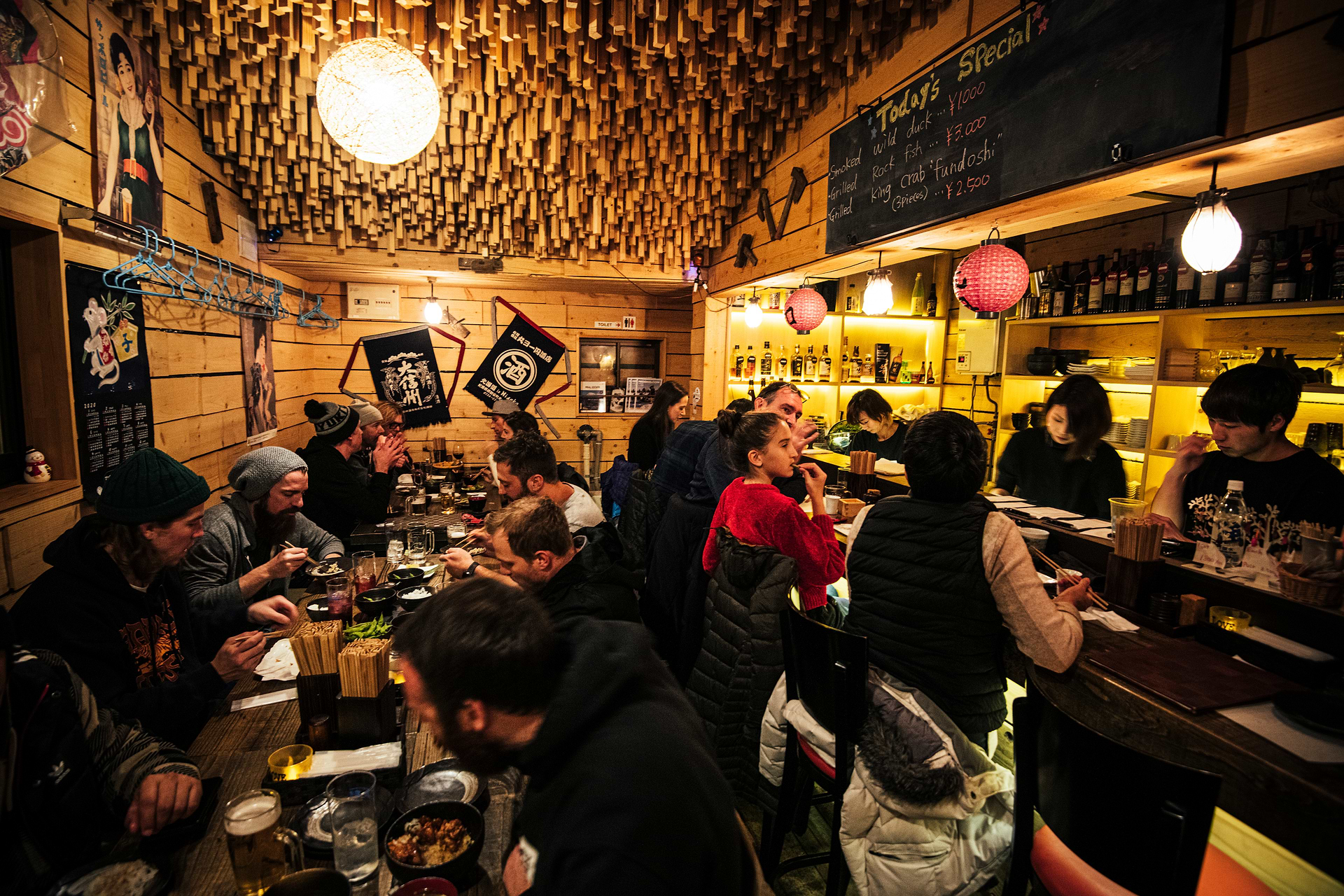
often called “Japanese pubs”—are the backbone of casual eating and drinking in Japan, ranging from upscale to hole-in-the-wall. All deliver good value, bustling culture and genuine fun. Try Nagomi, Jam or Mina Mina.
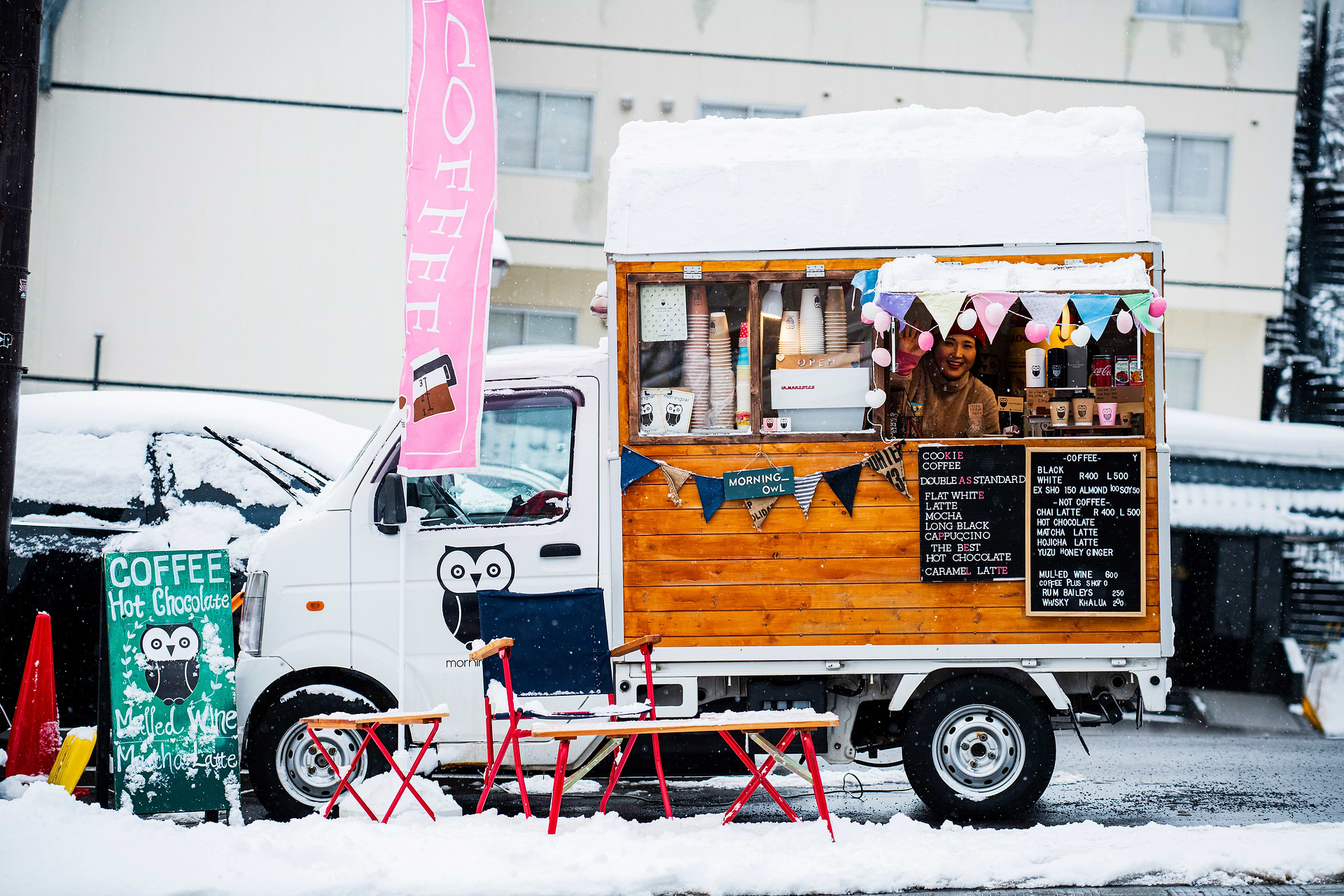
(e.g. Niseko Brewing) and distilleries (e.g. Niseko Distillery) churning out local craft libations. For coffee, check out the street-located Morning Owl coffee cart (seriously), Ichiseko Café & Bakery, or White Birch Café.
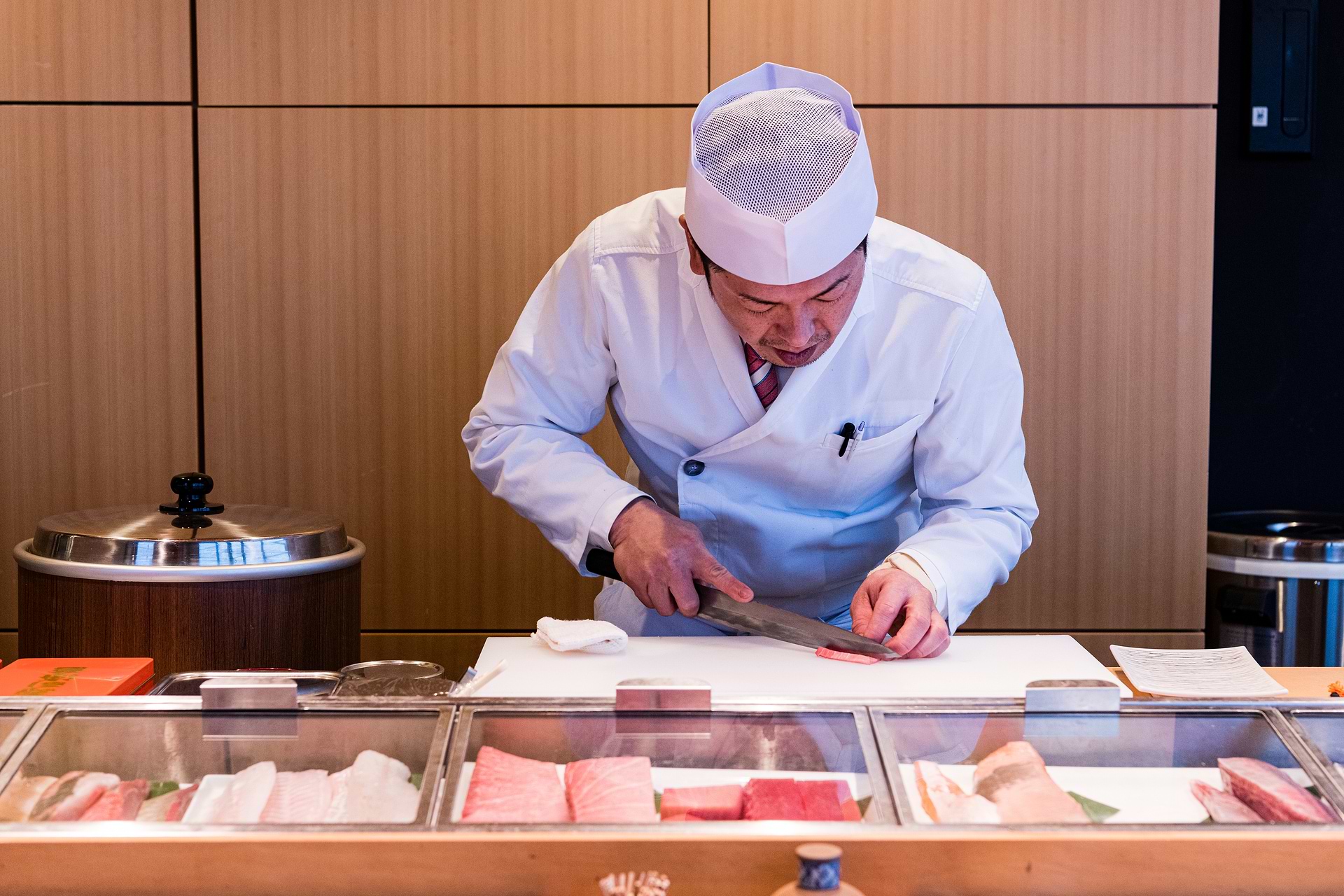
at Michelin-starred Kamimura has anchored Niseko’s gastronomic scene for a decade. Still, Wakatake Sushi (which moved here from Sapporo) and Ezo Seafoods (try the snow-crab sashimi) can also vie for the hottest reservation in Hirafu.
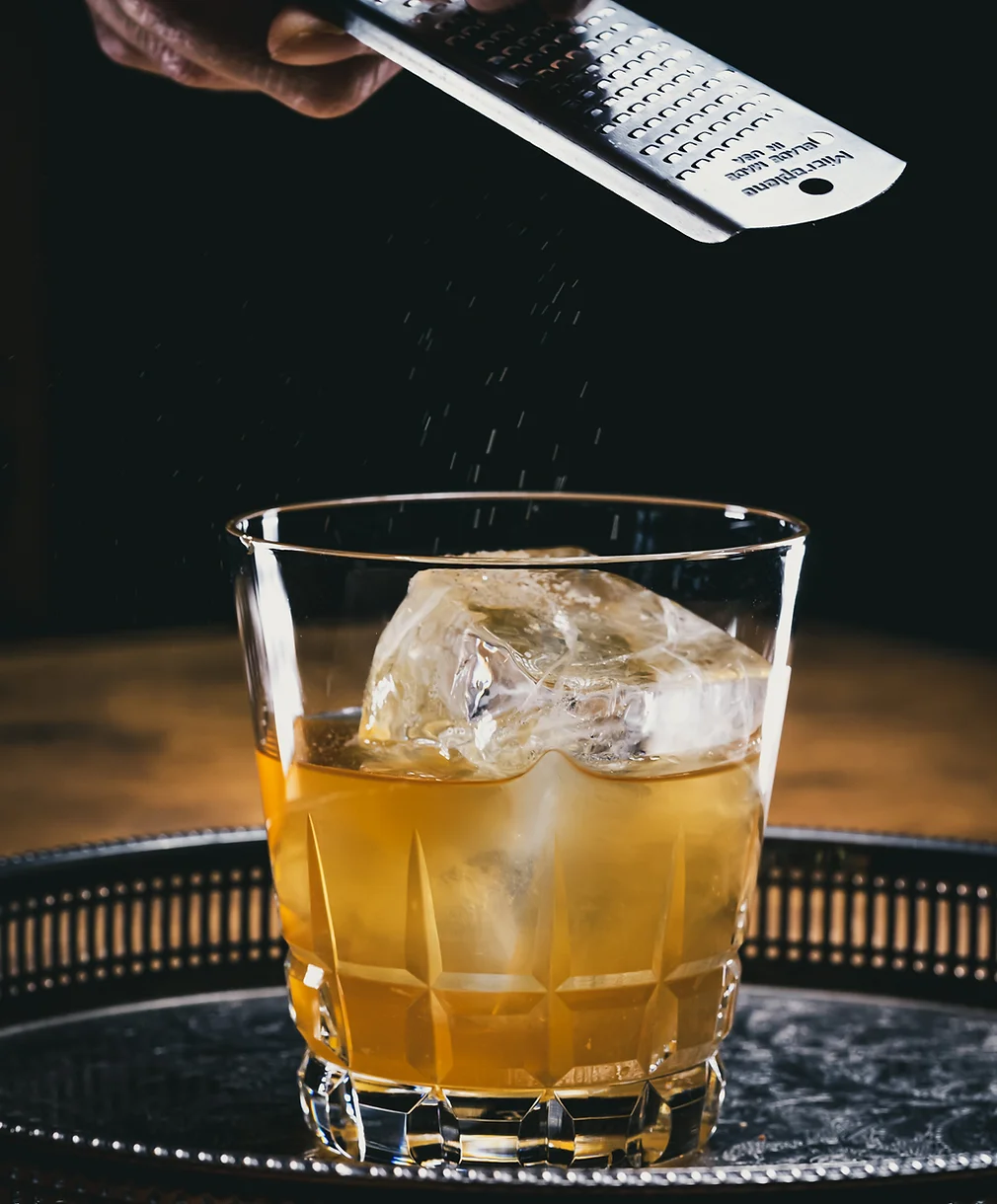
bets include Musu, Tamashii and Mick’s Wine Bar, with its great selection and enthusiastic owner. Late-night faves include Wild Bill’s and Freddies; the Powder Room and Toshiro’s Bar offer a more-refined experience.
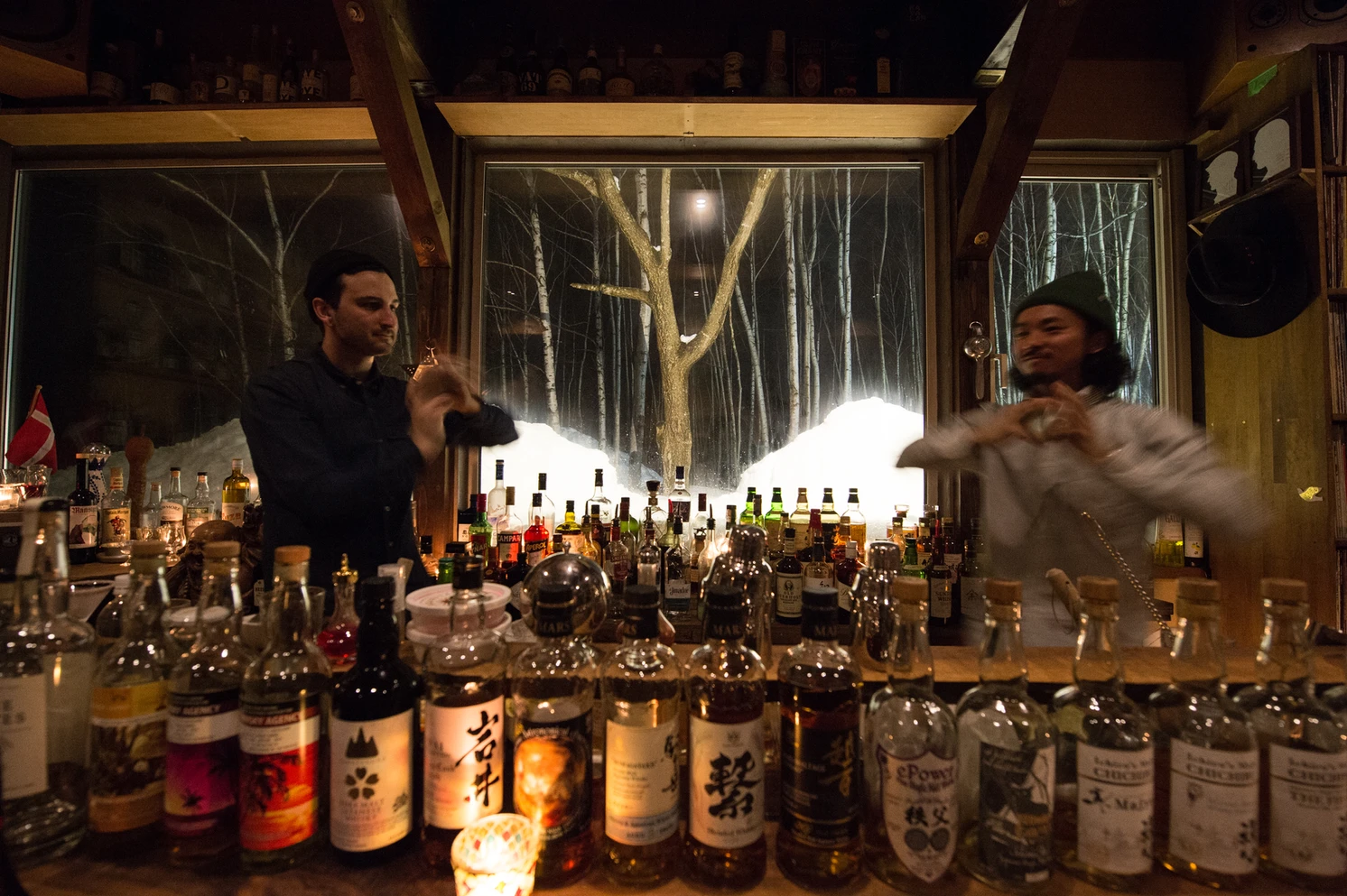
a deep selection of whiskeys, innovative cocktails and a fun vibe, Bar Gyu+ is one of the most iconic bars in Niseko. With an old vending machine cover as a door, it has earned the local moniker of “Fridge Door Bar.”
try Ace Hill atop Hirafu’s Ace Quad #2 (with excellent views of Mount Yōtei), New Sanko on Annupuri, and Two Sticks at Niseko Village. On Hanazono, Edge serves local faves, the beloved HANA 1 Cafe offers a perfect pow-session stop, and a range of options flood the Park Hyatt Niseko.
often called “Japanese pubs”—are the backbone of casual eating and drinking in Japan, ranging from upscale to hole-in-the-wall. All deliver good value, bustling culture and genuine fun. Try Nagomi, Jam or Mina Mina.
(e.g. Niseko Brewing) and distilleries (e.g. Niseko Distillery) churning out local craft libations. For coffee, check out the street-located Morning Owl coffee cart (seriously), Ichiseko Café & Bakery, or White Birch Café.
at Michelin-starred Kamimura has anchored Niseko’s gastronomic scene for a decade. Still, Wakatake Sushi (which moved here from Sapporo) and Ezo Seafoods (try the snow-crab sashimi) can also vie for the hottest reservation in Hirafu.
bets include Musu, Tamashii and Mick’s Wine Bar, with its great selection and enthusiastic owner. Late-night faves include Wild Bill’s and Freddies; the Powder Room and Toshiro’s Bar offer a more-refined experience.
a deep selection of whiskeys, innovative cocktails and a fun vibe, Bar Gyu+ is one of the most iconic bars in Niseko. With an old vending machine cover as a door, it has earned the local moniker of “Fridge Door Bar.”
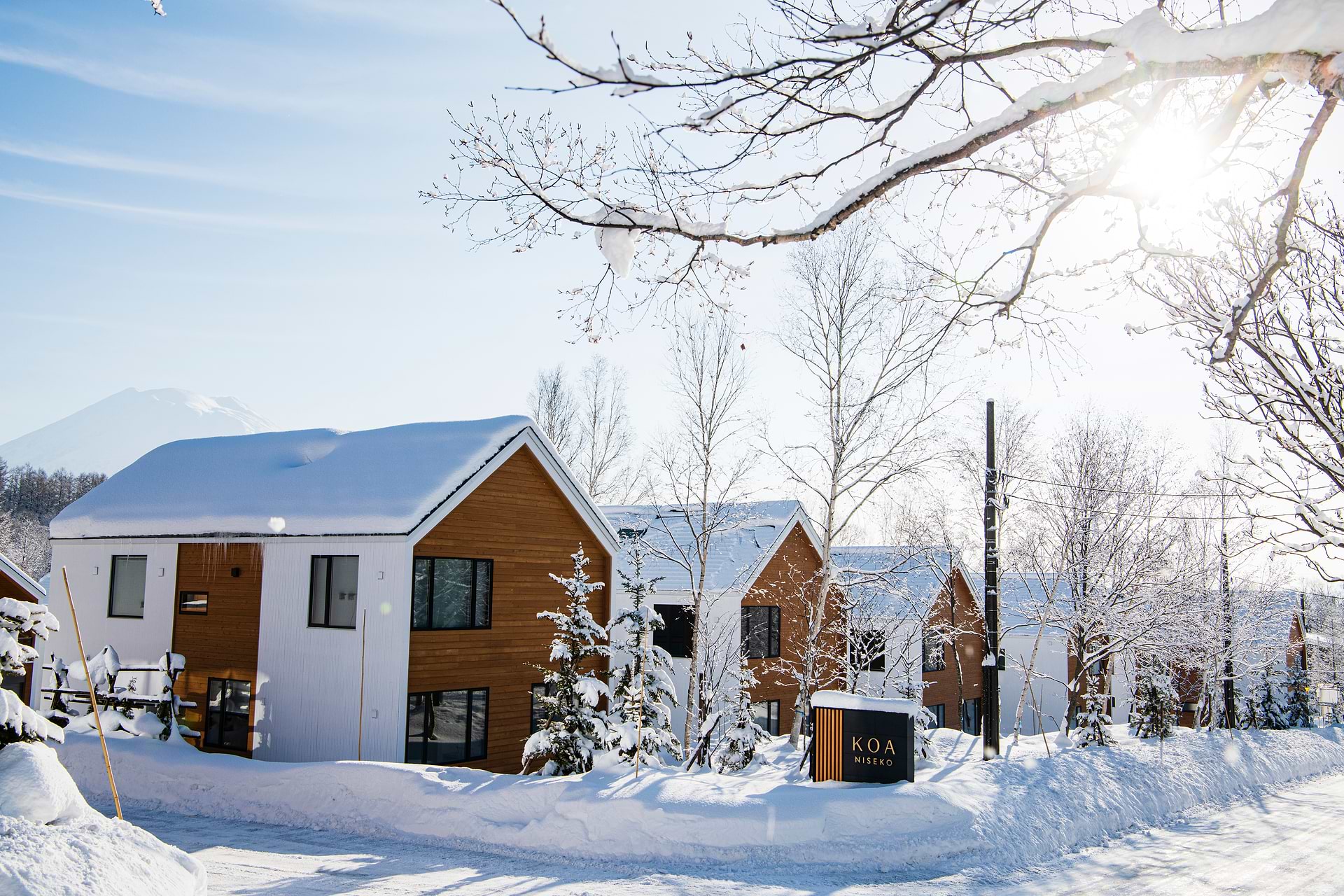
The townhouses at Koa have a beautiful location with views toward Mount Yotei. They are within walking distance of the lifts at Higashiyama, which connects to the rest of Niseko’s ski area.
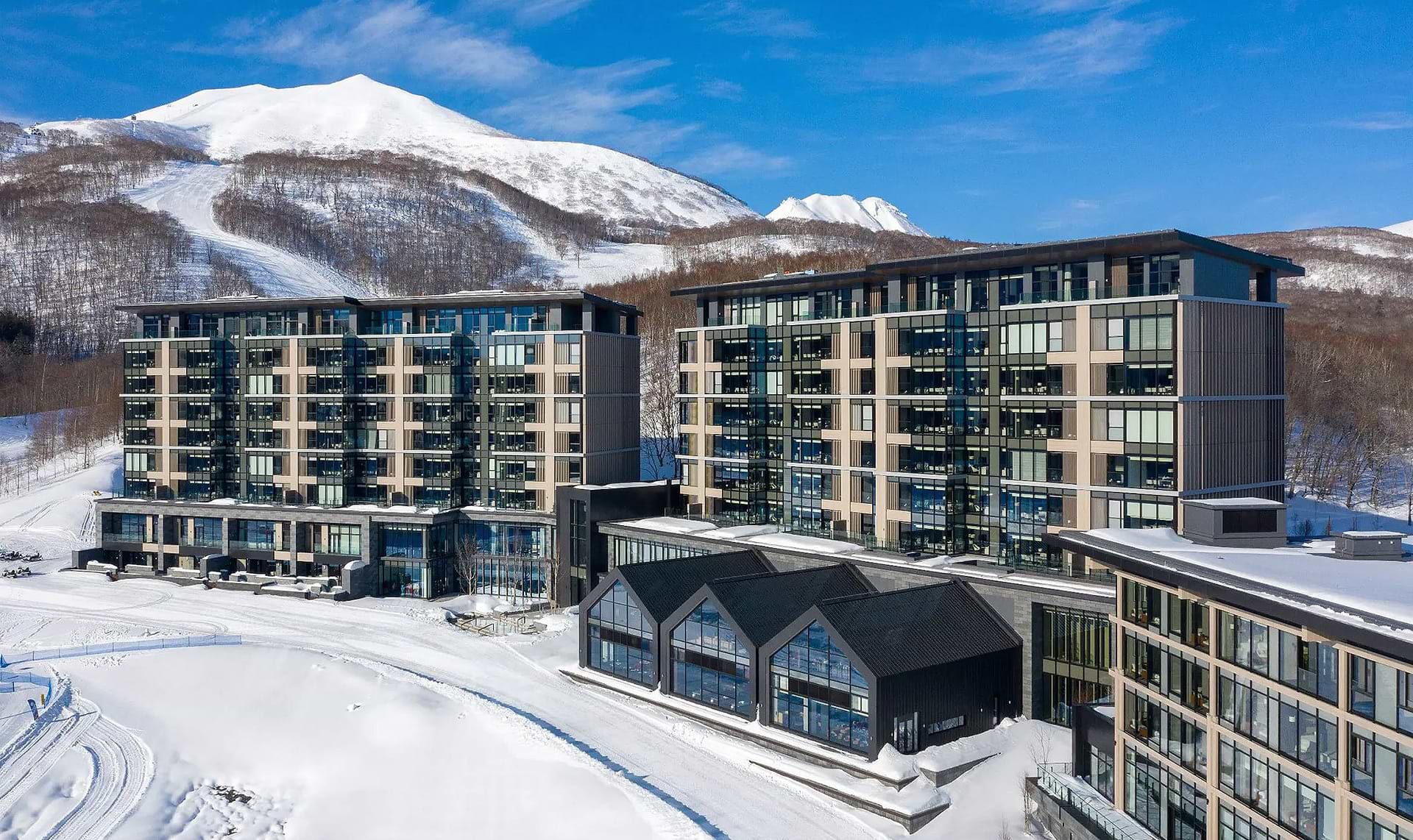
Park Hyatt Niseko Hanazono is one of the most luxurious hotels in the Niseko area. Photo: Niseko Tourism
Prices tend to drop the farther away from Hirafu you stay but weigh that against the convenience of being in the resort’s hub. There’s no lack of choice: dozens of hotels of every type, traditional ryokans, and luxury rental homes and townhomes (like comfortable Koa, within walking distance to the lifts at Higashiyama) with more on the way. In Hirafu: Aya Niseko or the centrepiece Park Hyatt Niseko Hanazono for luxury, Ki Niseko for mid-range, and the budget M Hotel Niseko. In Kutchan check out the Torifito Hotel & Pod Niseko, and in Higashiyama, Niseko Ski Lodge.
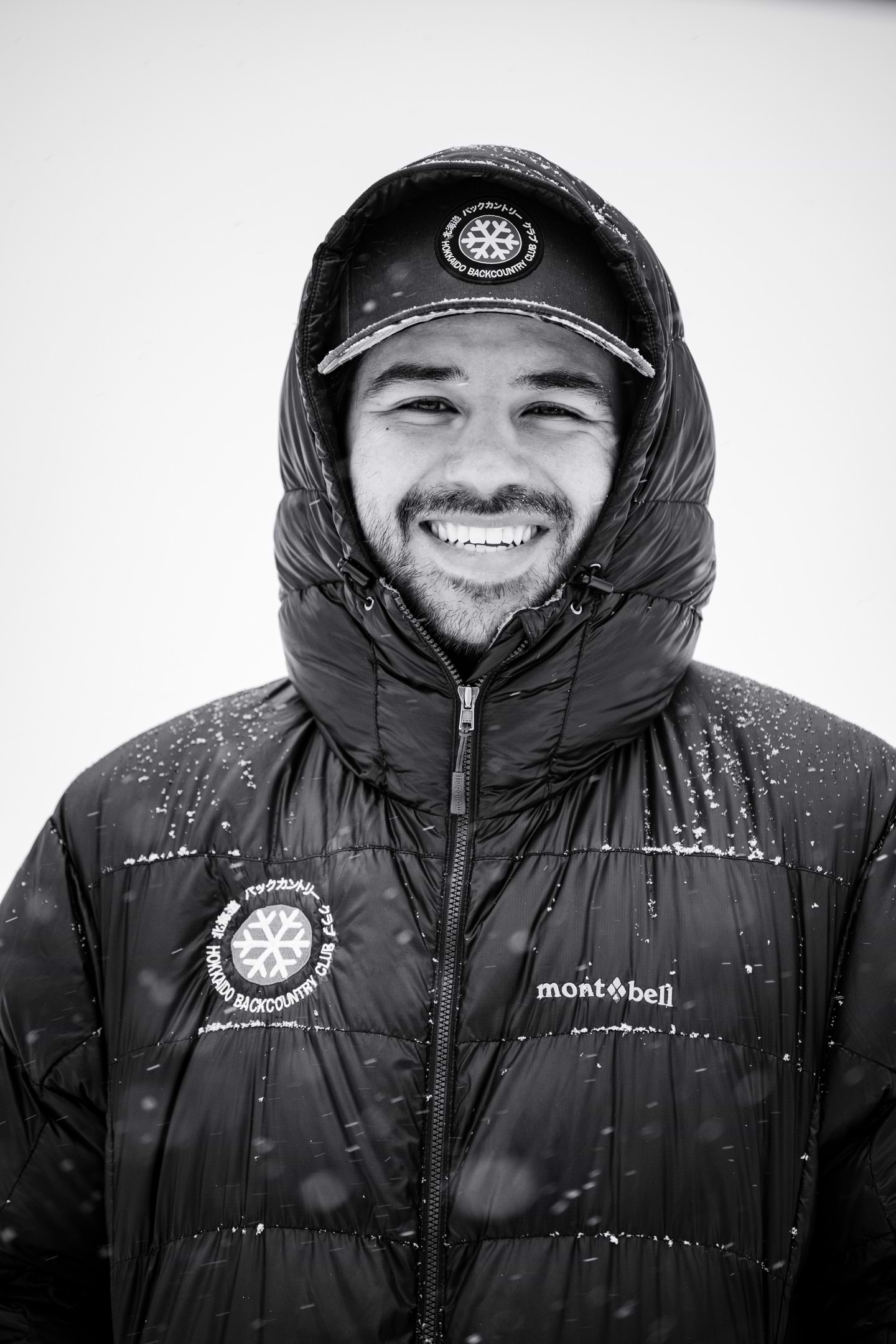
Takehiro “Mattias” Hosogai is a phenomenal ski guide with Hokkaido Backcountry Club. Born to Japanese and Swedish parents, growing up in different countries and educated in English, he is as multicultural as one can be.
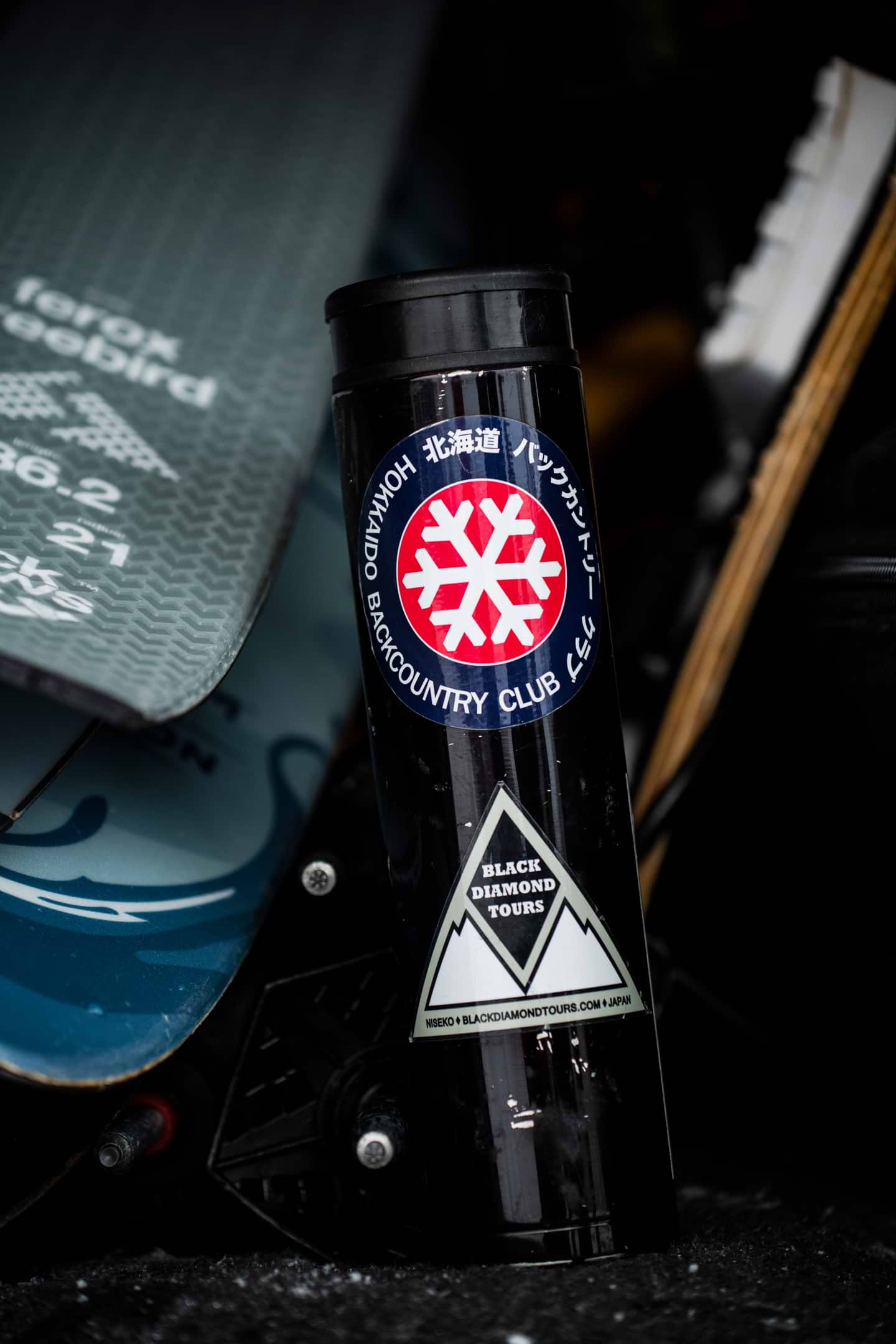
Hokkaido Backcountry Club
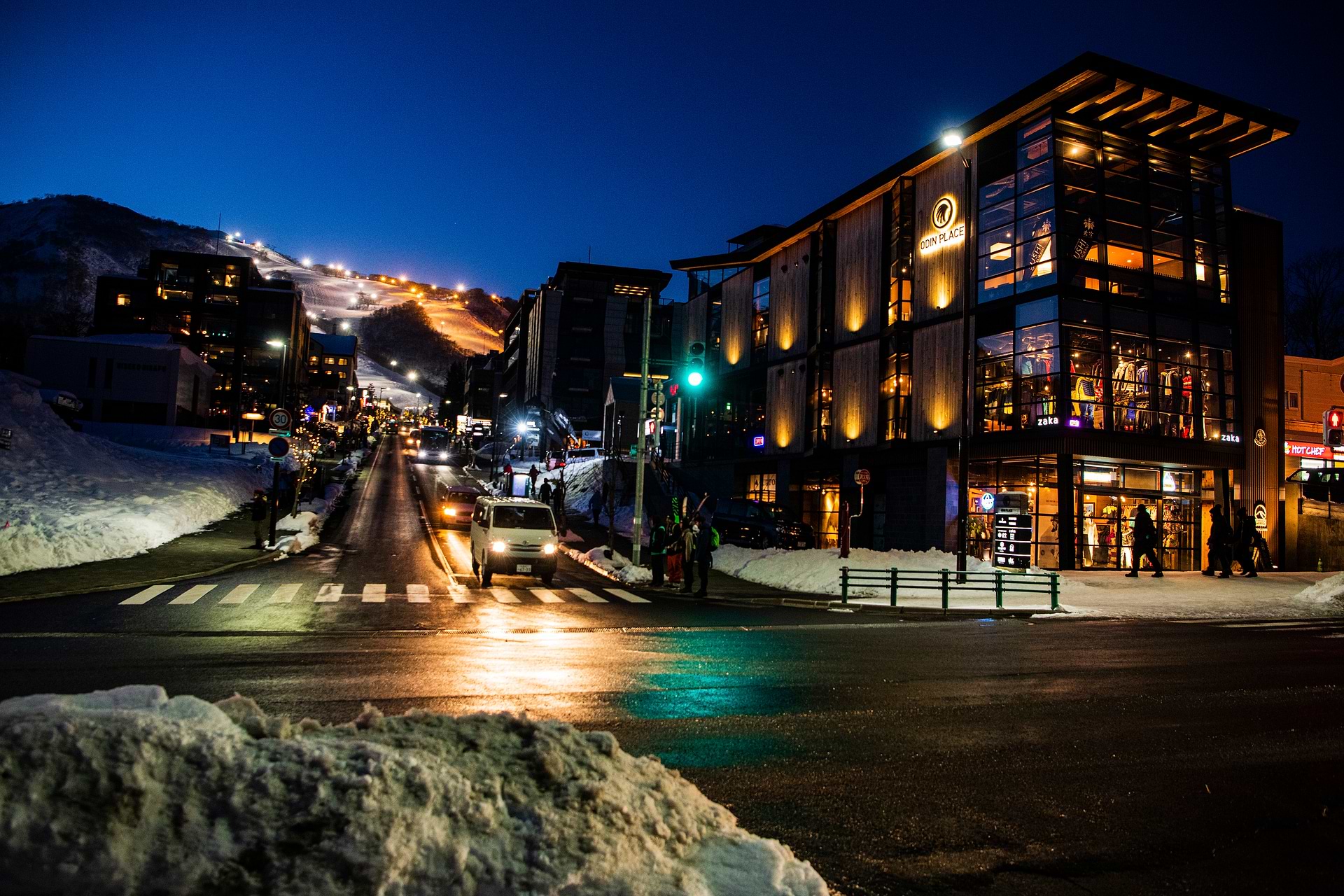
Odin Place in Hirafu
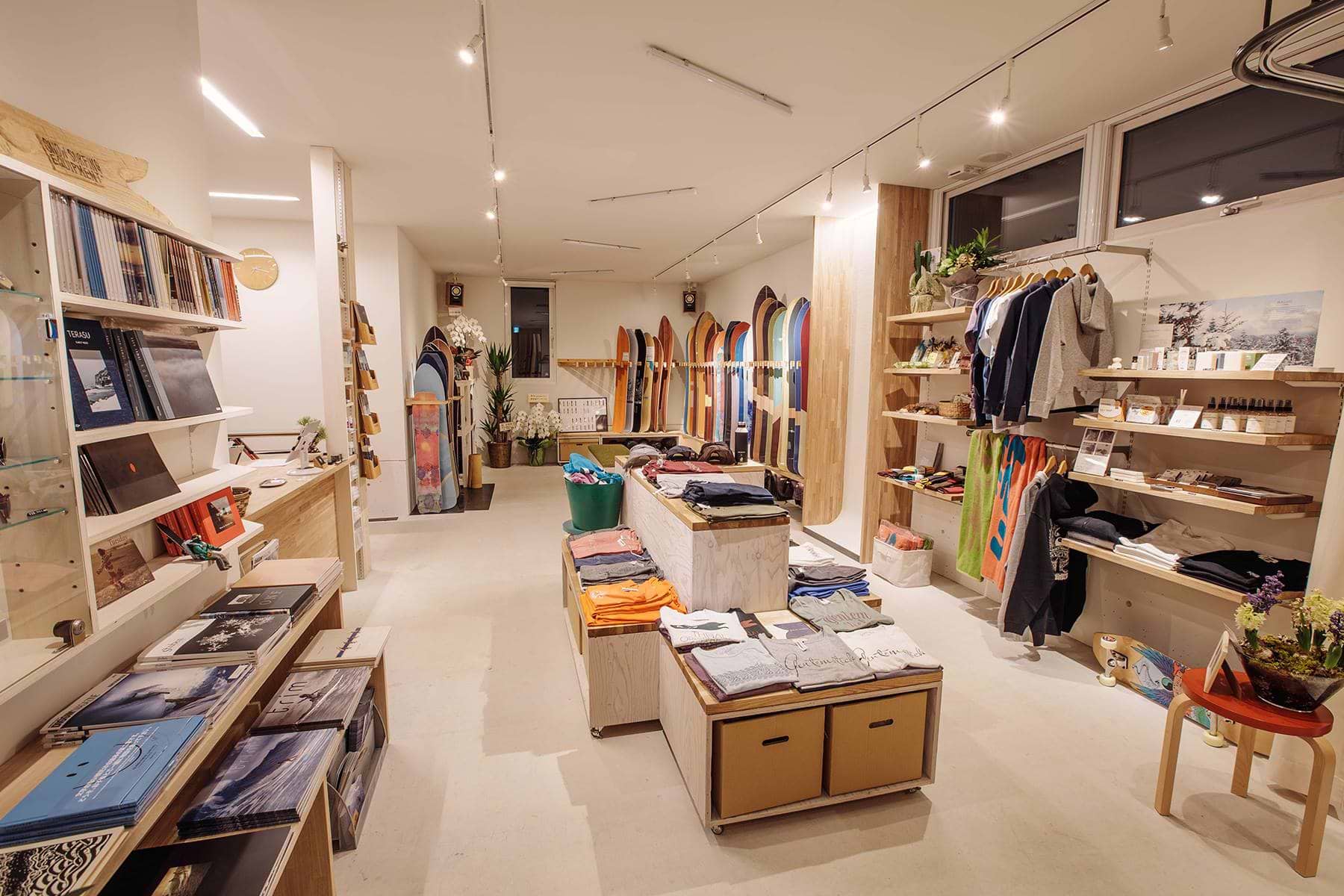
Gentemstick Niseko Showroom
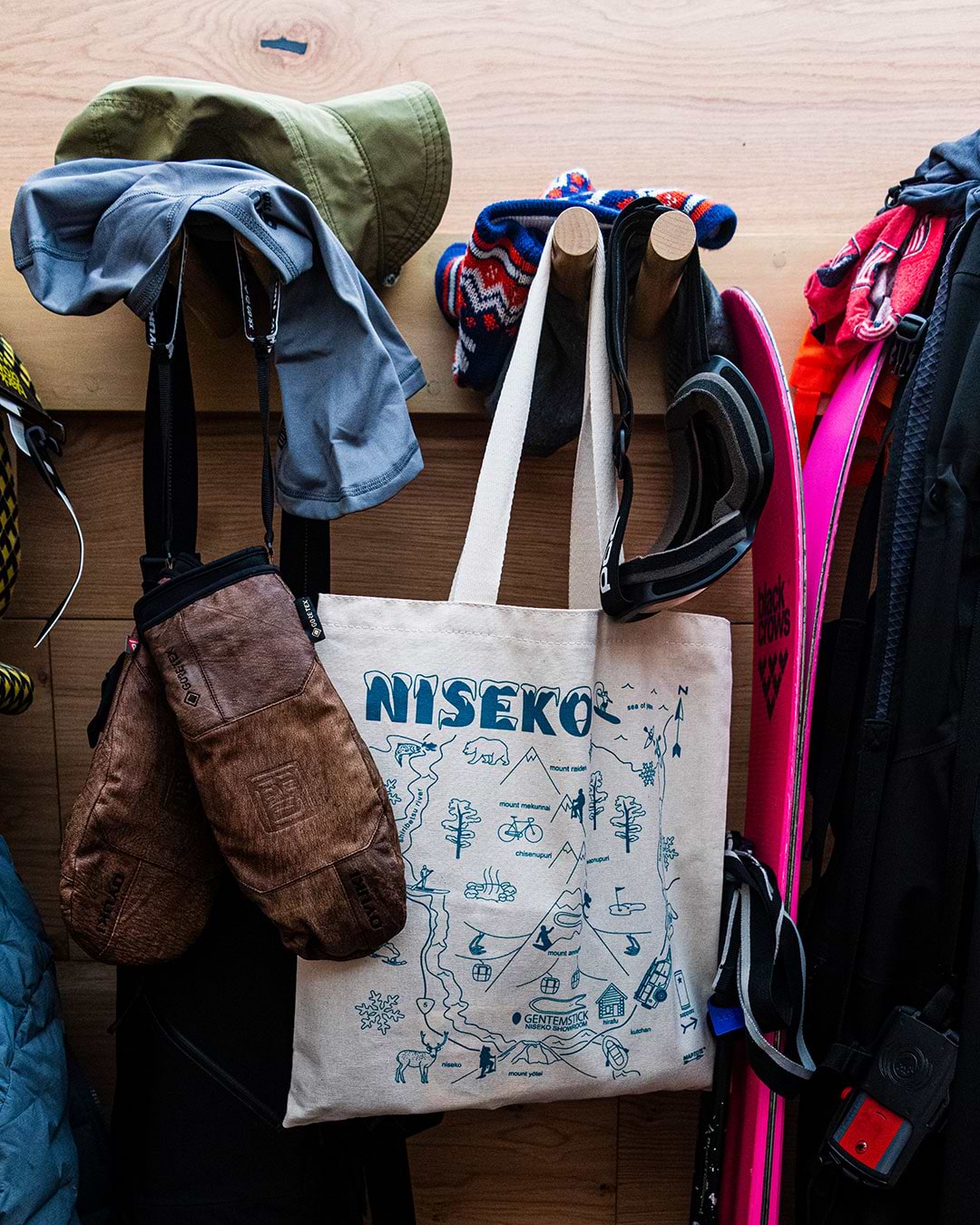
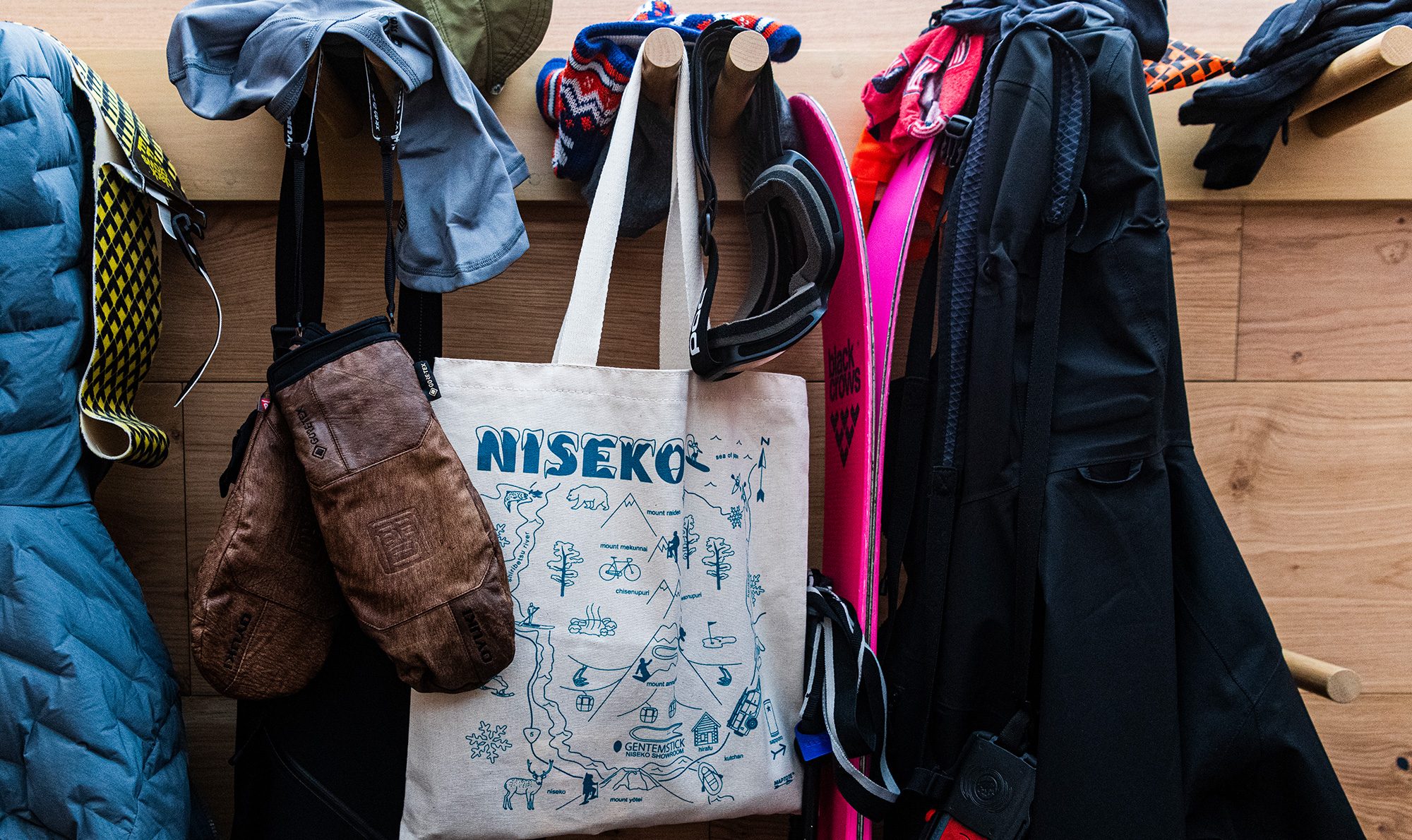
Slick Odin Place mall in Hirafu demands attention with its industrial alpine aesthetic and vintage artifacts, but for real, local shopping, head to Gentemstick Niseko Showroom. In addition to handmade snowboards crafted for Niseko pow, there’s a range of snow, skate and surf-themed goods, duty-free crafts, and a cozy café.
Japan can be hard to navigate. If you’re visiting Niseko for the first time, using companies knowledgeable in the area, like Japan Ski Experience, can take some of the stress out of planning your trip.
Powder this good deserves cat skiing, but roadside ski-touring is also a popular—and much cheaper—way to access the backcountry. Learn the ropes on mellow slopes in Nakayama-toge (Nakayama Pass) between Niseko and Sapporo.
Like other powder paradises, Niseko has several guiding services. One of the best is Hokkaido Backcountry Club. They provide local guiding in the Niseko area, work road-trip itineraries, and run daily heli-skiing on 1 107-metre Shiribetsu-dake volcano near Rusustu.
And speaking of guides, you might want to hire one for a climb and ski on Mount Yōtei — the perfectly symmetrical stratovolcano that forms the backdrop for skiing in Niseko and so resembles a miniature Mount Fuji that it’s often called Ezo Fuji (Hokkaido’s Fuji).
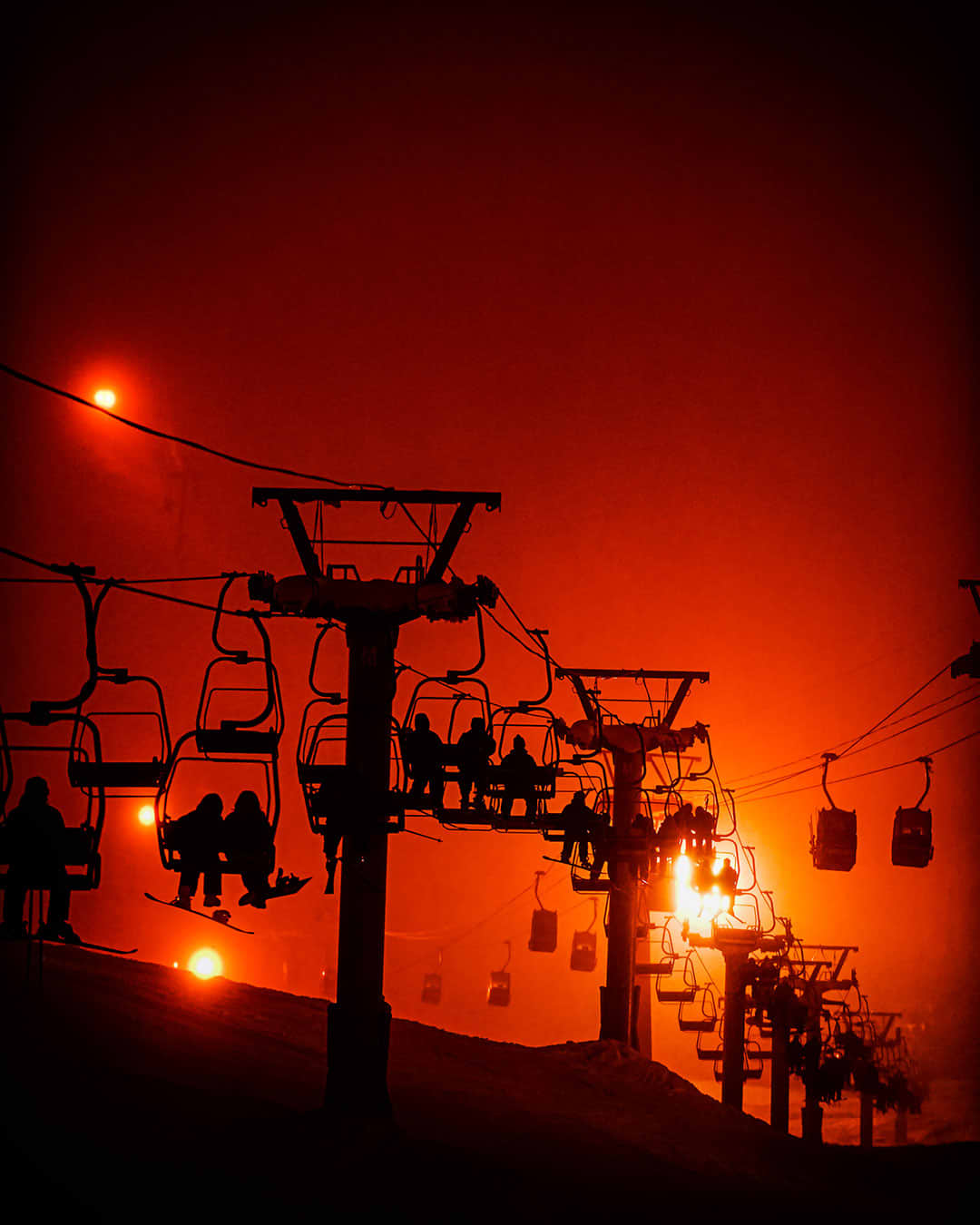
With the newly installed Symphony Gondola at Hanazono, Niseko’s famed night skiing is now available in all four of its resorts. If you haven’t experienced the surreal sensations of skiing powder under the lights in a severe storm, it’s a must. Hirafu’s Ace Quad Lift #2 provides epic access to slackcountry glades where intense light from the groomers reaches into the trees.
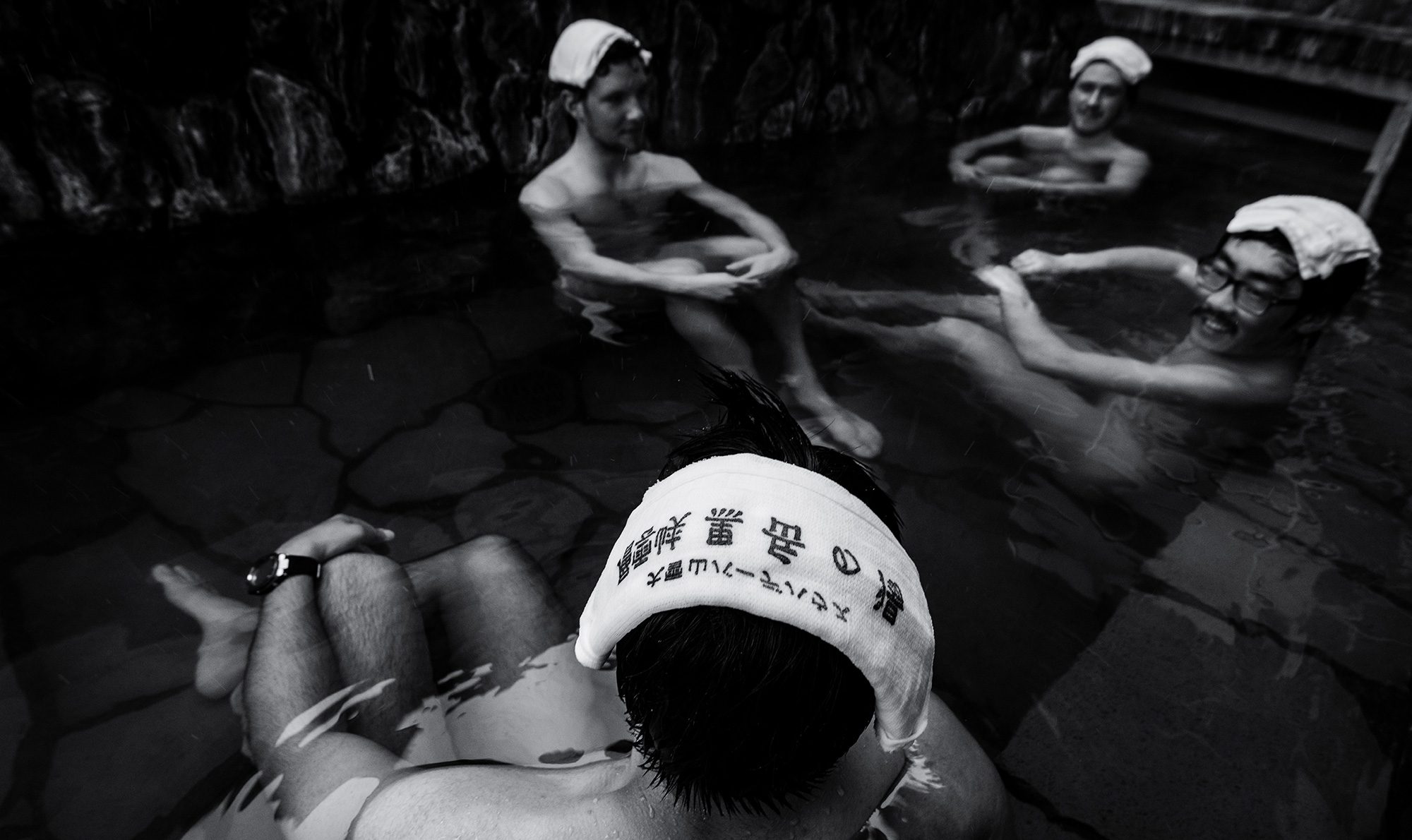
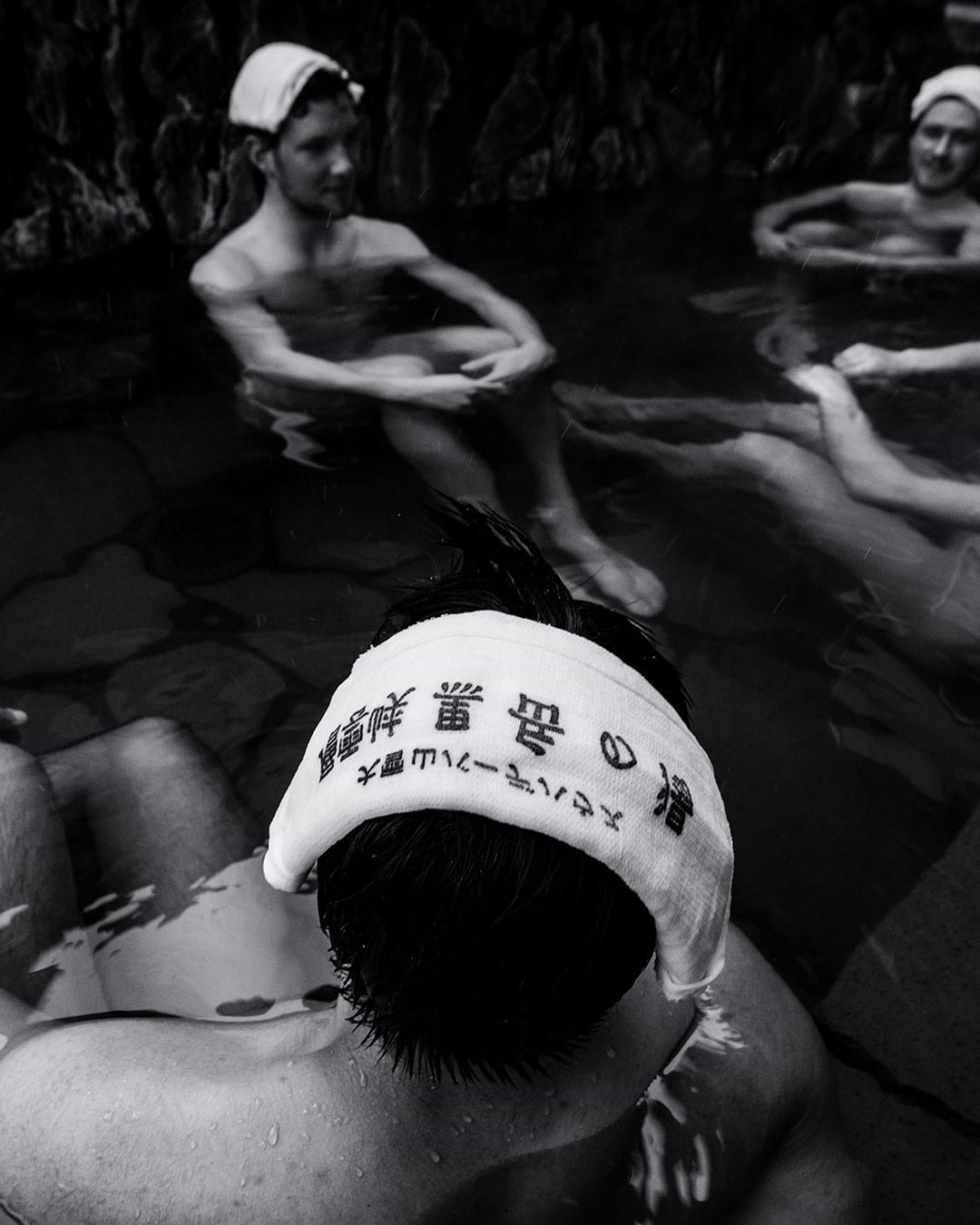
A well-deserved, restorative soak in one of Niseko’s many onsens (volcanic hot springs). Start with Kira no Yu, the public baths in Niseko town.
Niseko has terrain for every ability spread over four separate ski areas on the rolling ridges and valleys of Mount Annupuri — Niseko Grand Hirafu, Niseko Village, Niseko Annupuri and Hanazono.
45.2 km of piste, 18 powder runs, 887 ha of skiable terrain
3, including 1 FIS regulation halfpipe
5.5 km
40%/35%/25%
38, including 3 gondolas/trams; 9 backcountry gates
15+ metres!
NA (gotta love that!)
1 009 m; top elevation 1 309
Getting there: From the Shin Chitose Airport south of Sapporo, it’s two to three hours by train, bus or private transfer. A wealth of bus connections delivers the most convenient and budget-friendly options.
Abuta District, Hokkaido

LESLIE ANTHONY is a writer and editor who knows a thing or two about snow. Longtime Creative Director of SKIER, former Managing Editor of POWDER, and author of the book White Planet: A Mad Dash Through Modern Global Ski Culture, the resident of Whistler, British Columbia, continues to appear regularly on the masthead of the world’s top ski magazines. His favorite activity? Skiing powder, of course.
LESLIE ANTHONY is a writer and editor who knows a thing or two about snow. Longtime Creative Director of SKIER, former Managing Editor of POWDER, and author of the book White Planet: A Mad Dash Through Modern Global Ski Culture, the resident of Whistler, British Columbia, continues to appear regularly on the masthead of the world’s top ski magazines. His favorite activity? Skiing powder, of course.
RELATED STORIES