Why isn't it Gore-Tex? Is this as good?
We prefer Dermizax over Gore-Tex because it suits how we move in the mountains better. Breathability comes first, and silent fabric, stretch, and membrane performance over time are additional perks. On paper, Gore-Tex has historically tested a notch higher on waterproofness; in practice, both are far past the point where rain gets through, and today's PFAS-regulated surface treatments have narrowed what's left of the gap. Dermizax holds out through the Atlantic storms that hit the Scandinavian mountains, where we live — and it doesn't get any worse than that.
What's it best for — and when should I pick a different shell?
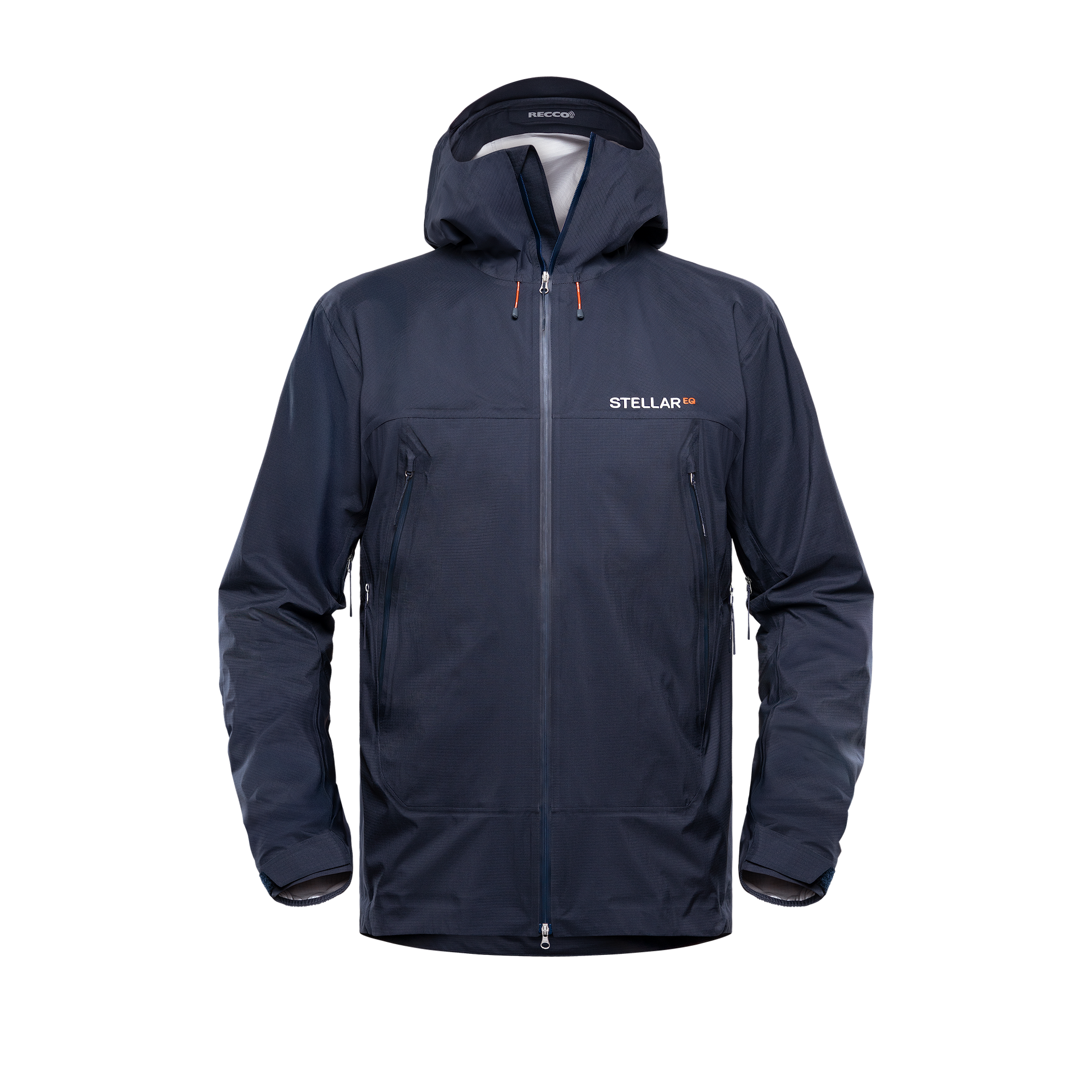
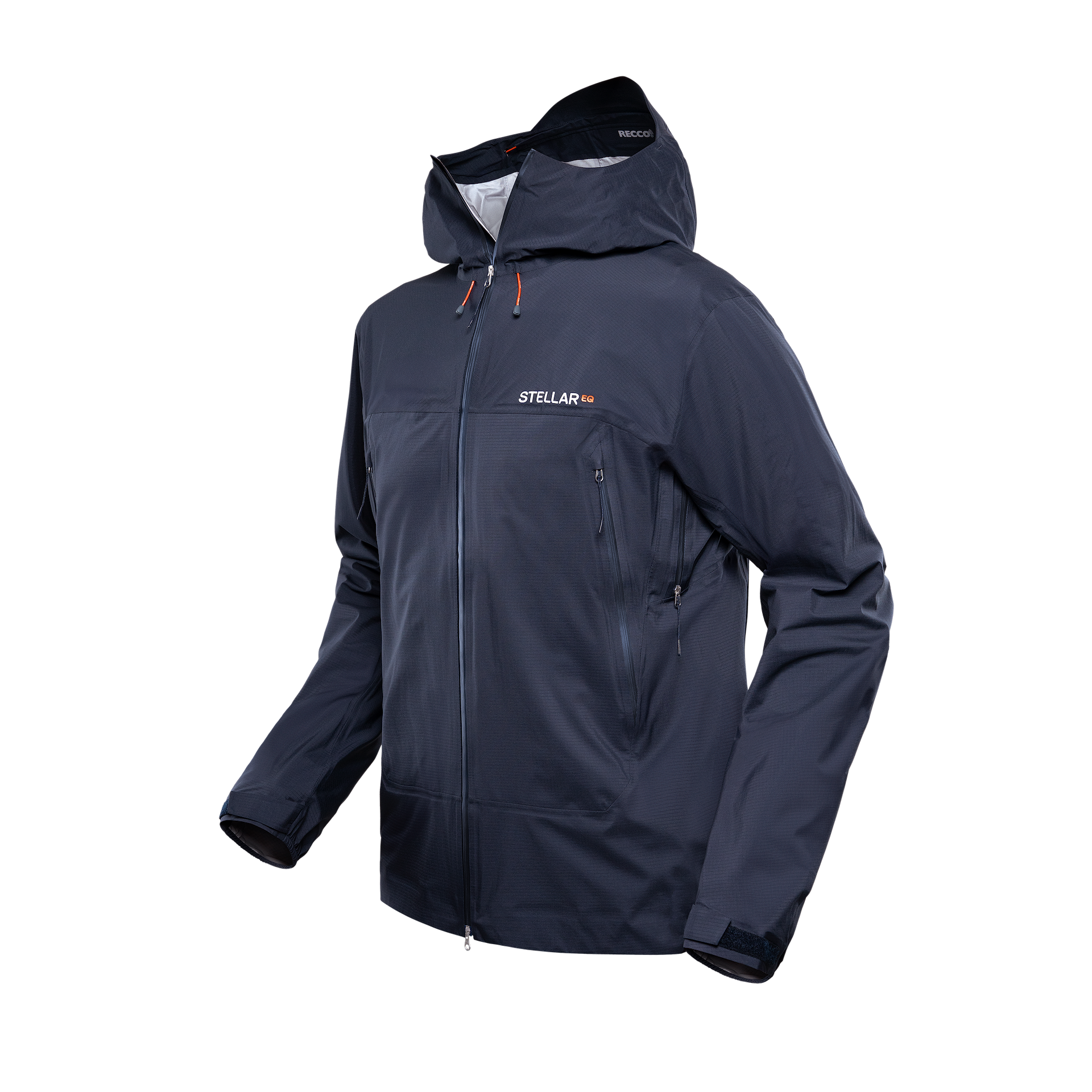
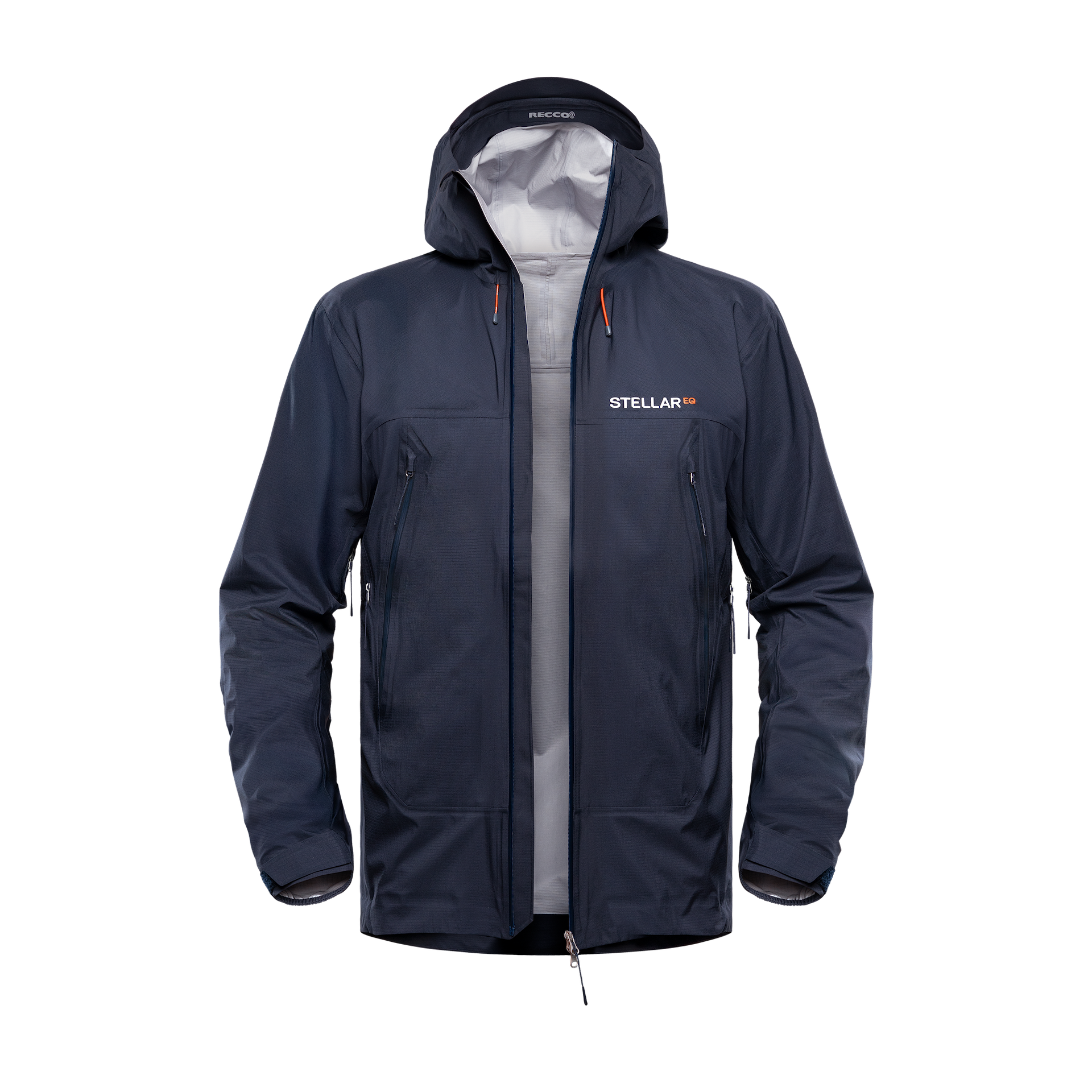
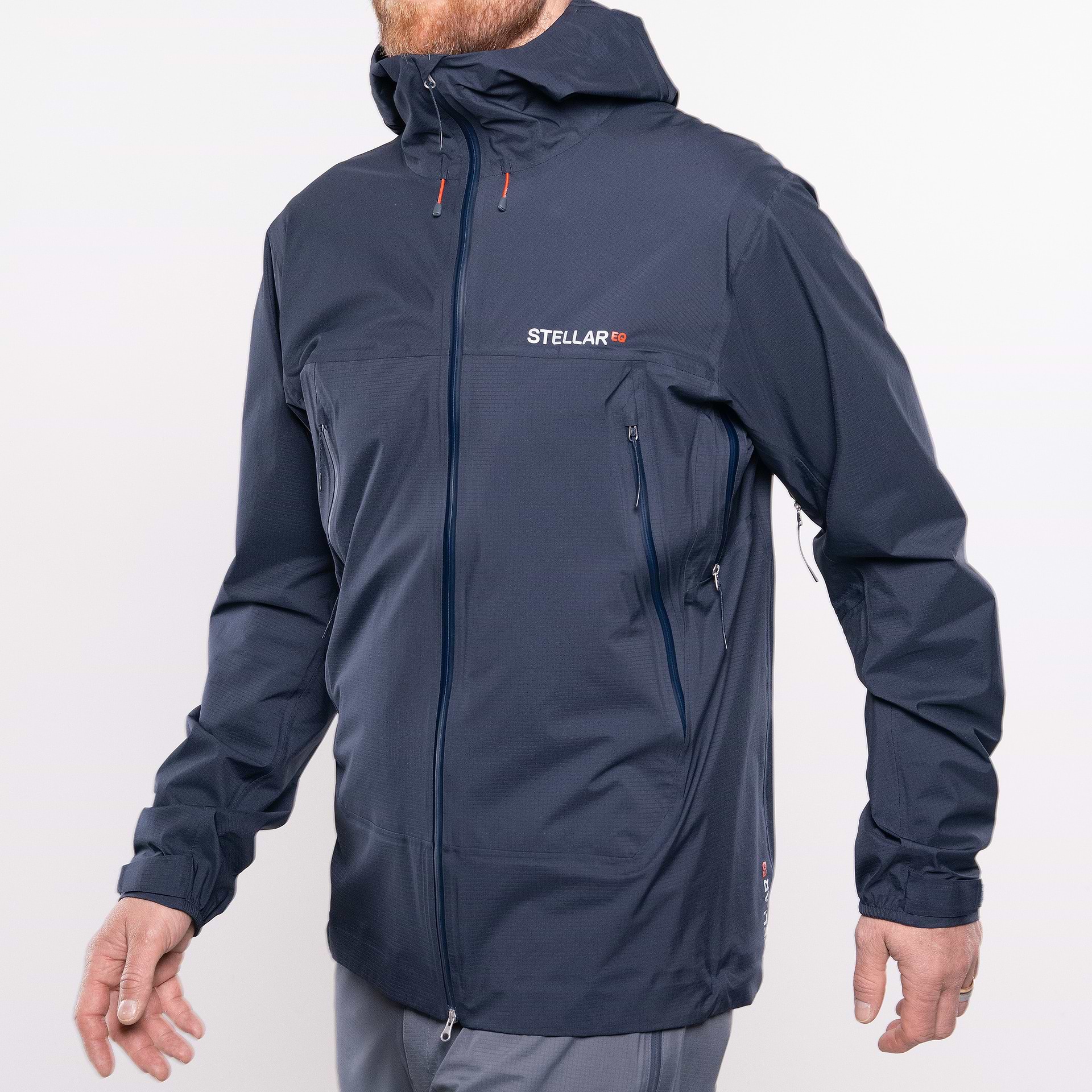
This is the shell equivalent of a Swiss Army knife: a lot of technical function in one light package. A bring-everywhere-all-the-time product that keeps you dry year-round. But if you need a specific tool for hard resort skiing, our dedicated ski shells are built to take more abuse. If you want ultralight protection without any extras, a wind jacket might be the better option.
Can I ski tour in it in winter and wear it in July?
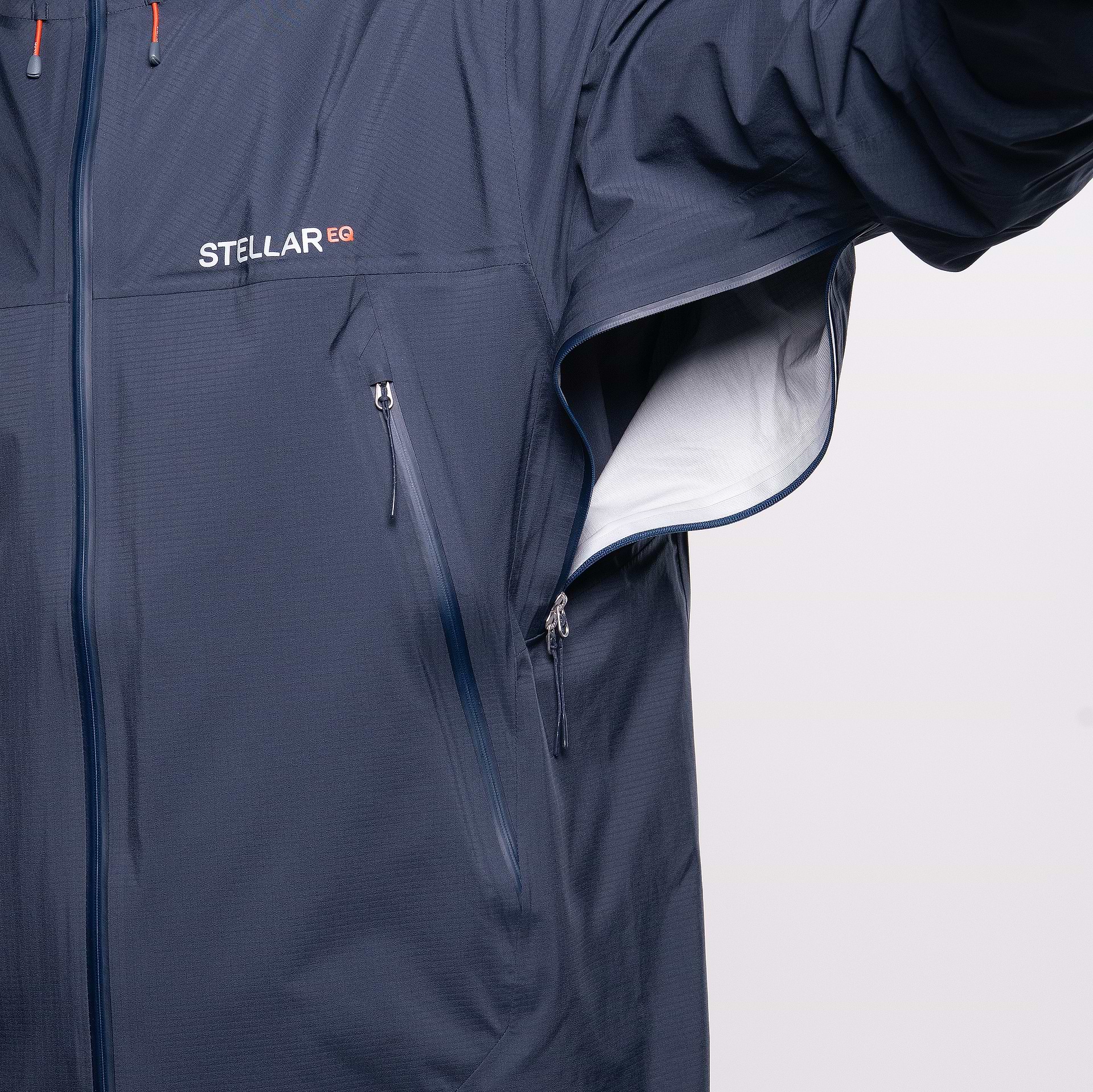
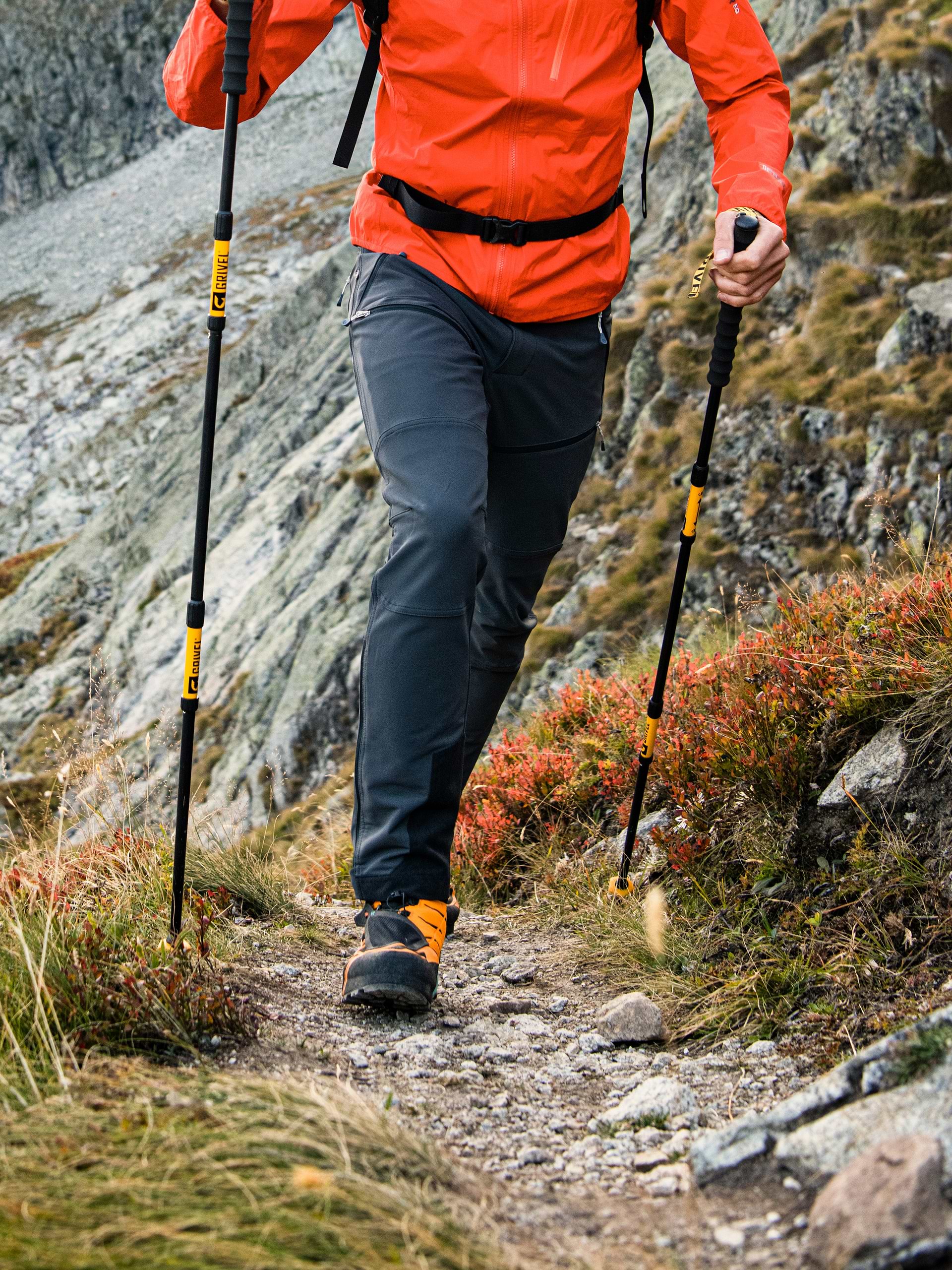
That's what we wanted for ourselves, how we tested it, and what it's made for. It's light enough for both, and the breathable membrane and oversized vent zips handle the heat of the skin track as well as a warm July thunderstorm.
It's lightweight — will it survive a backpack? Pack straps? Ski edges over the shoulder?
Yes — the ripstop weave is unusually durable for its weight, and pack straps are exactly what it's built to handle. Carrying skis over the shoulder is a different story: edges are sharp, so treat them with respect. The jacket is optimized for lightness, not for sword fights.
Do I size up for layers underneath?
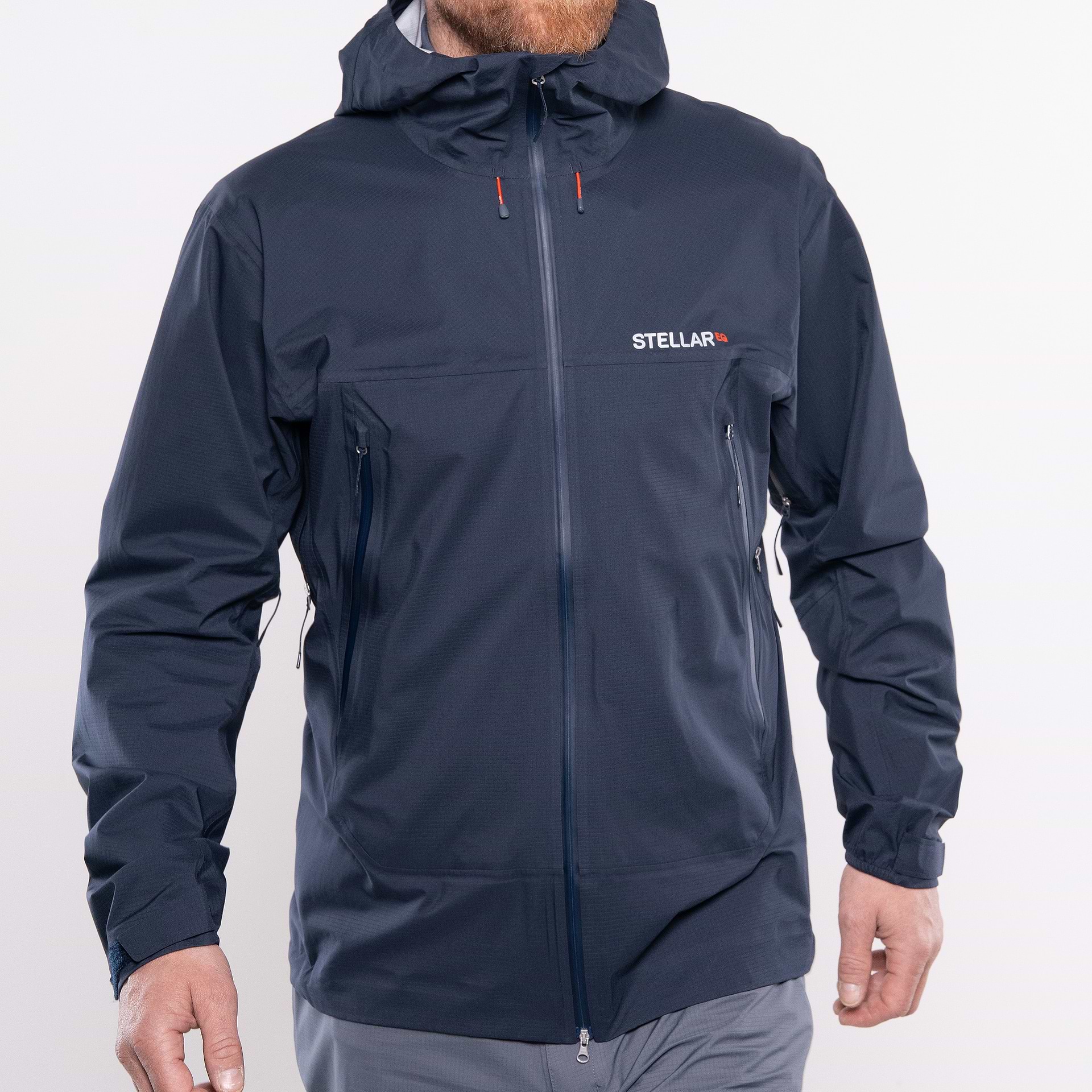
The jacket has a regular fit — pick your normal size and wear a base layer plus a fleece or a light insulation piece under it. Thicker down is for stops and sudden temperature drops, and goes on over the shell. But if you plan to wear substantial insulation under it regularly, consider sizing up.
Is the hood really helmet-compatible — and does it work without one?
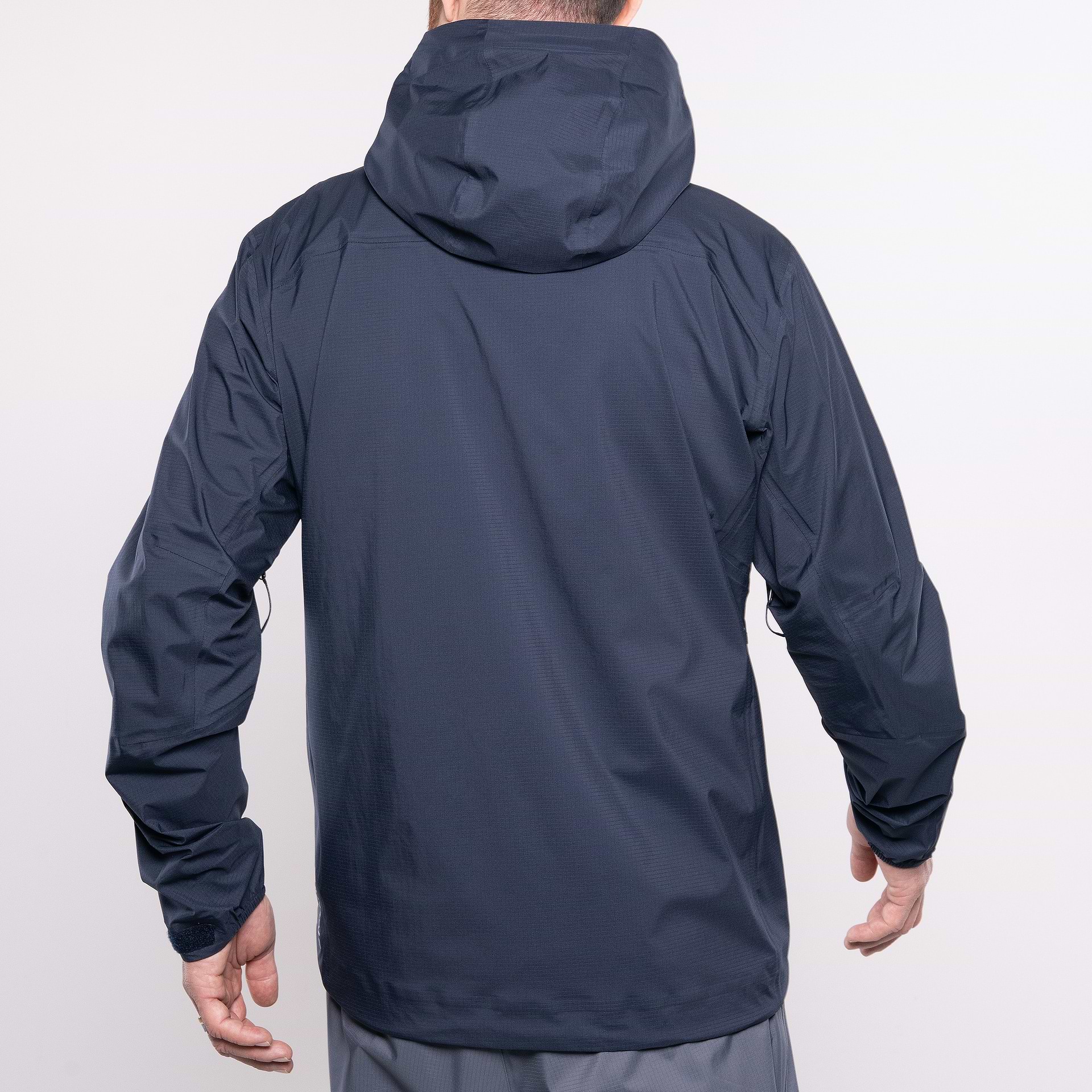
Yes — any regular climbing, biking or ski helmet will fit. Larger ski helmets are a tighter fit, but still work. Without a helmet, you can adjust the hood to a snug fit that follows your head perfectly when moving.
What do I wear under it in winter?
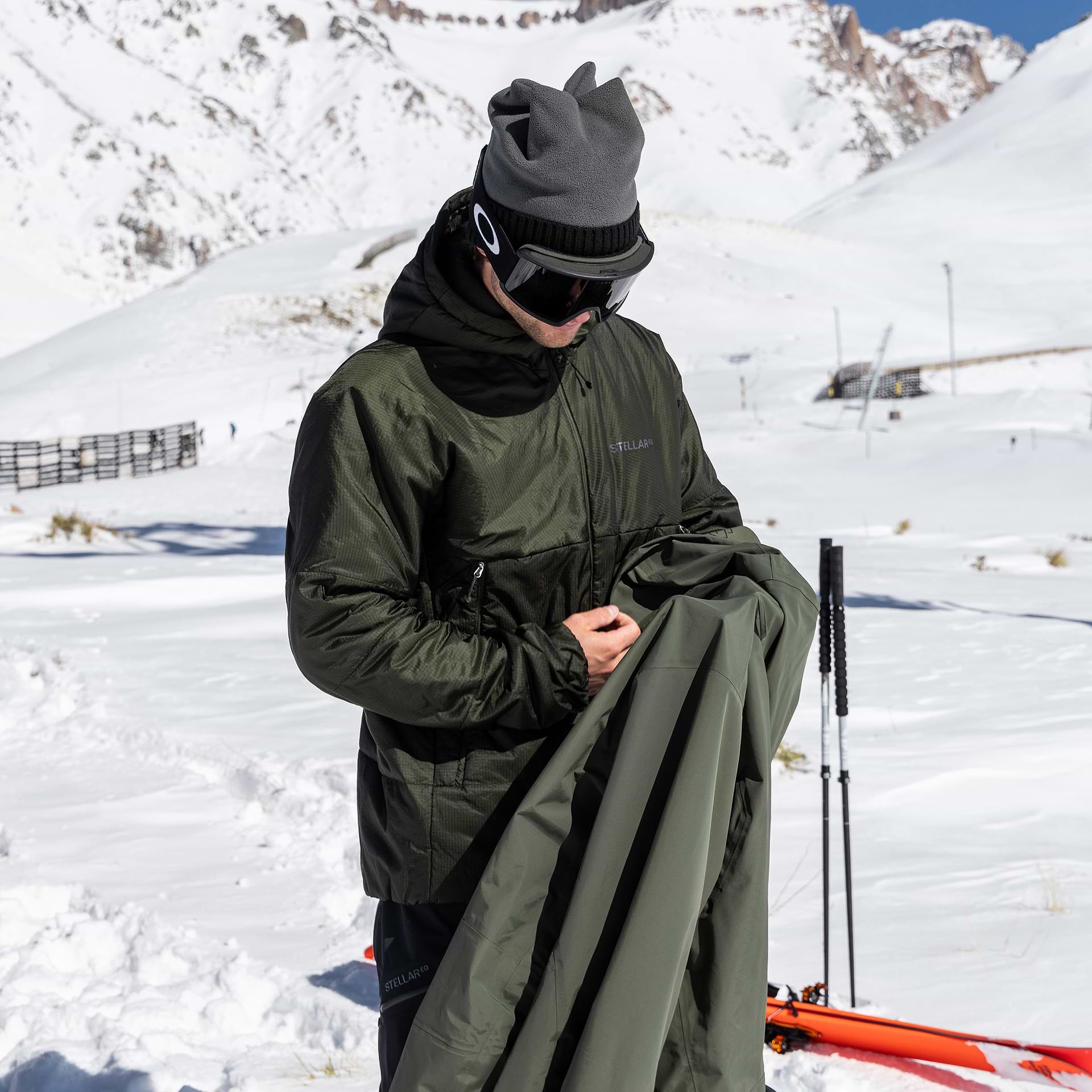
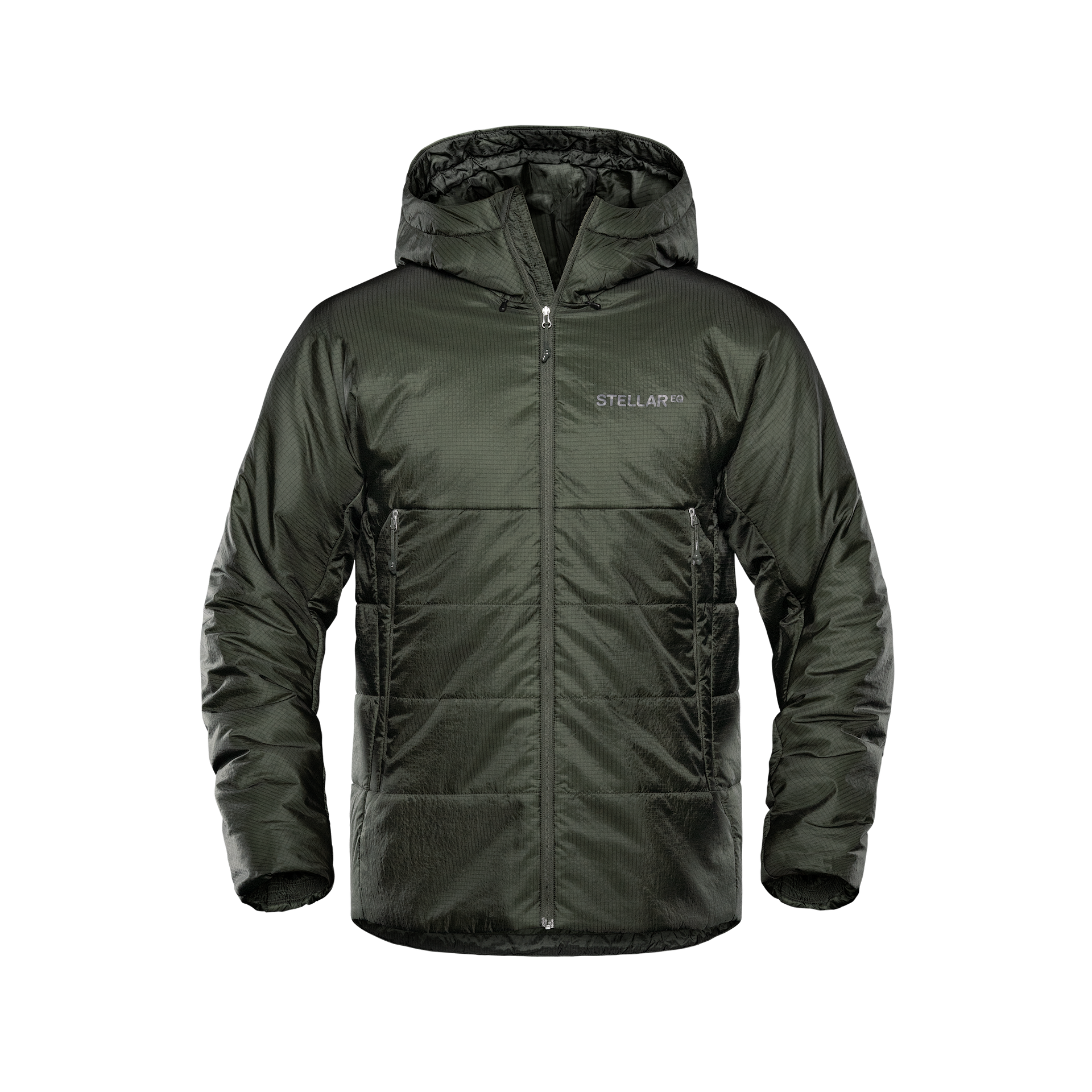
A shell protects you from the rain and the wind but adds no warmth. You need a base layer to transport moisture away from your skin, then a light mid, a fleece, or an insulation jacket depending on temperature and activity. And always bring a down jacket in your pack.
Jacket first, or jacket and pant together?
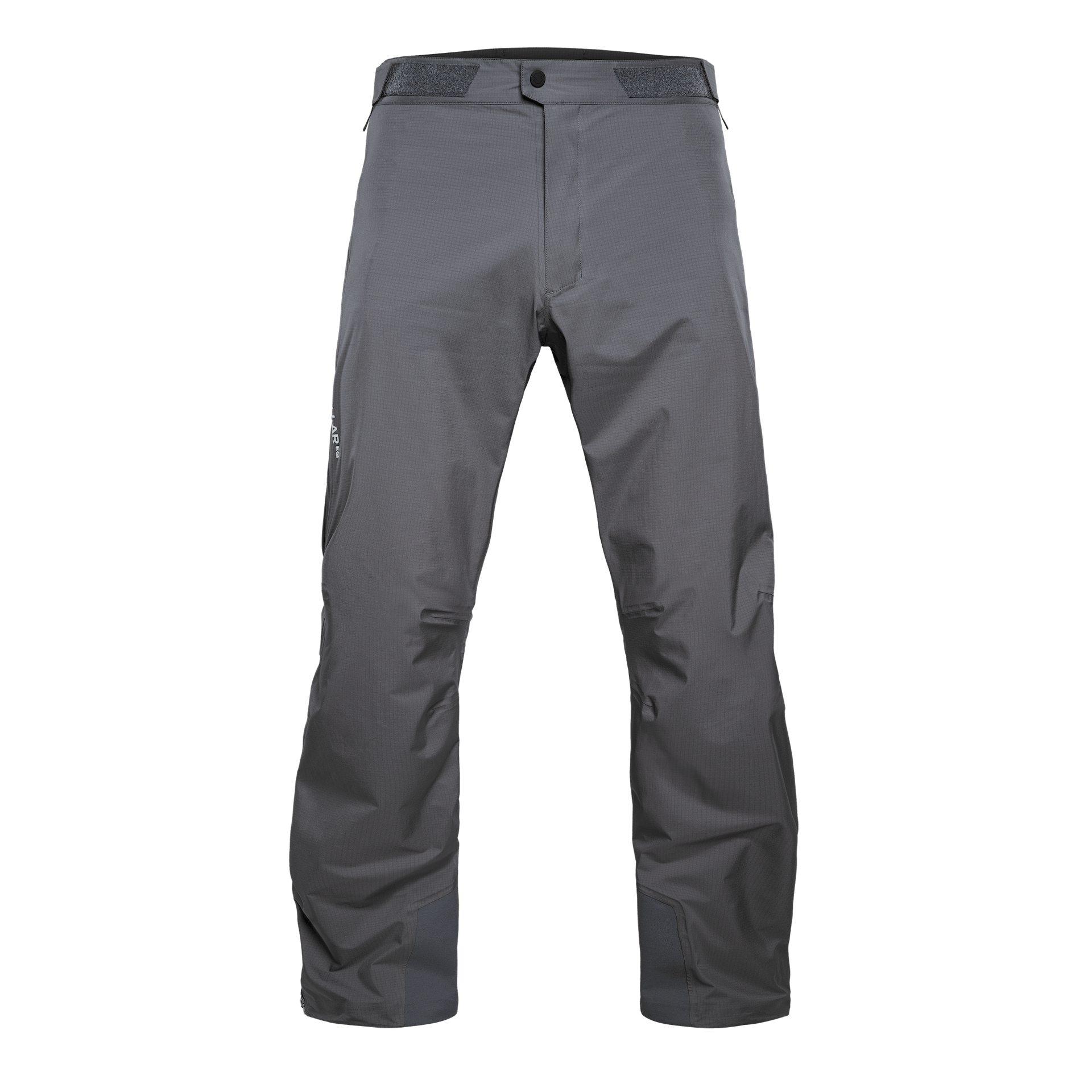
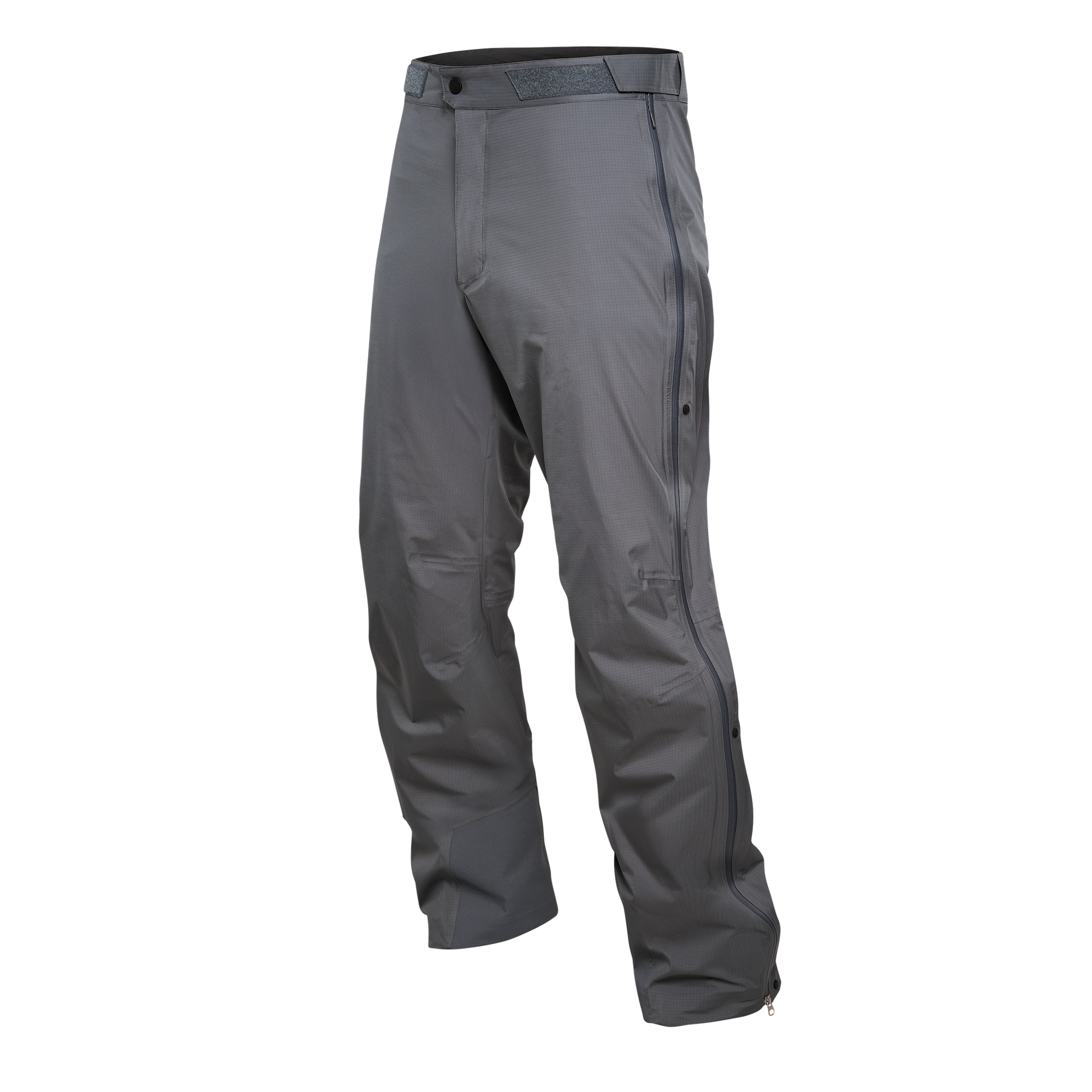
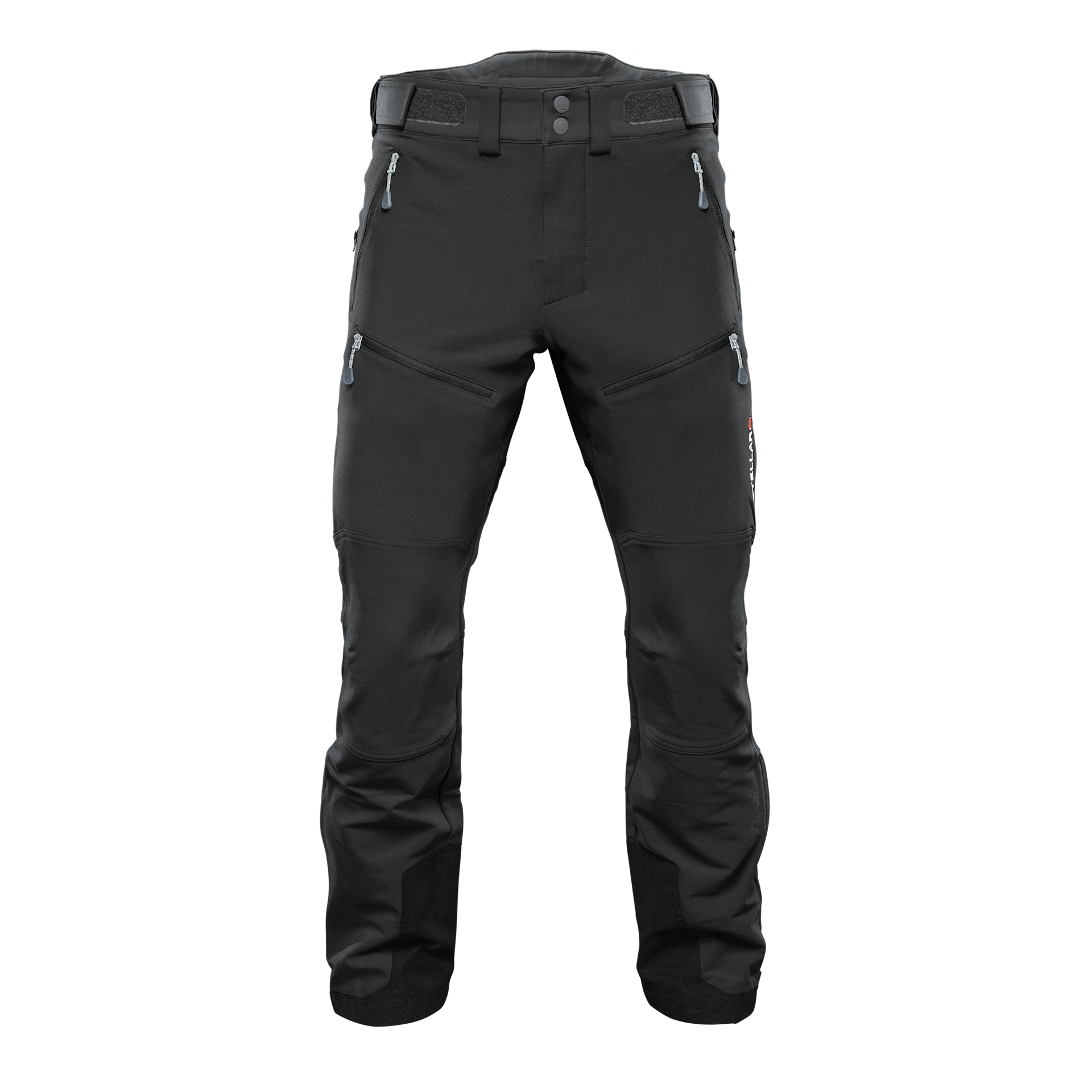
Most people start with the jacket — it's the piece you'll wear most often. Add the pant when your days get longer and the weather gets a real say: full-day hikes, ski touring, autumn treks far from shelter. If that's already how you spend your time, get both — soaked pants in the middle of nowhere is a lesson you only need once.