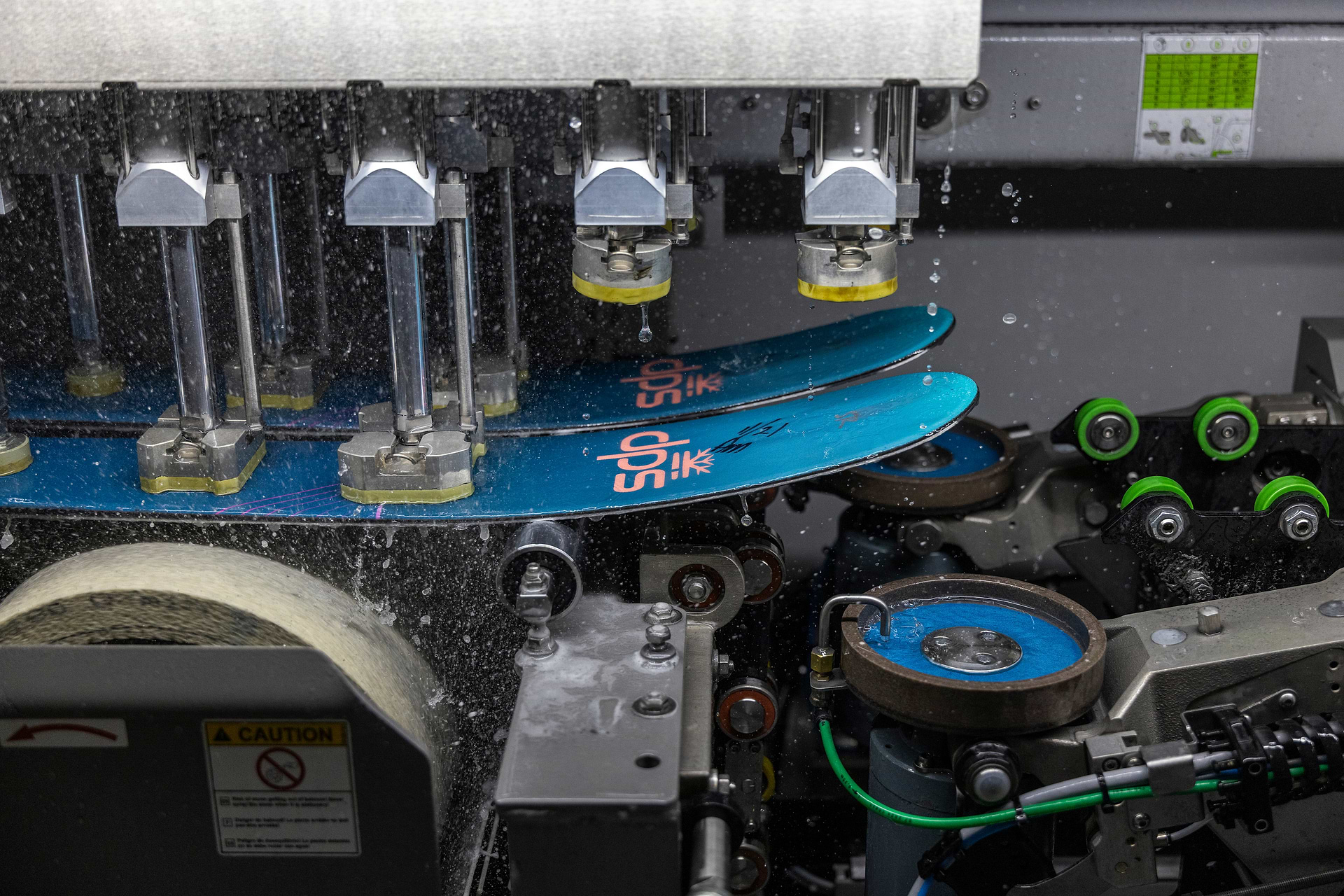
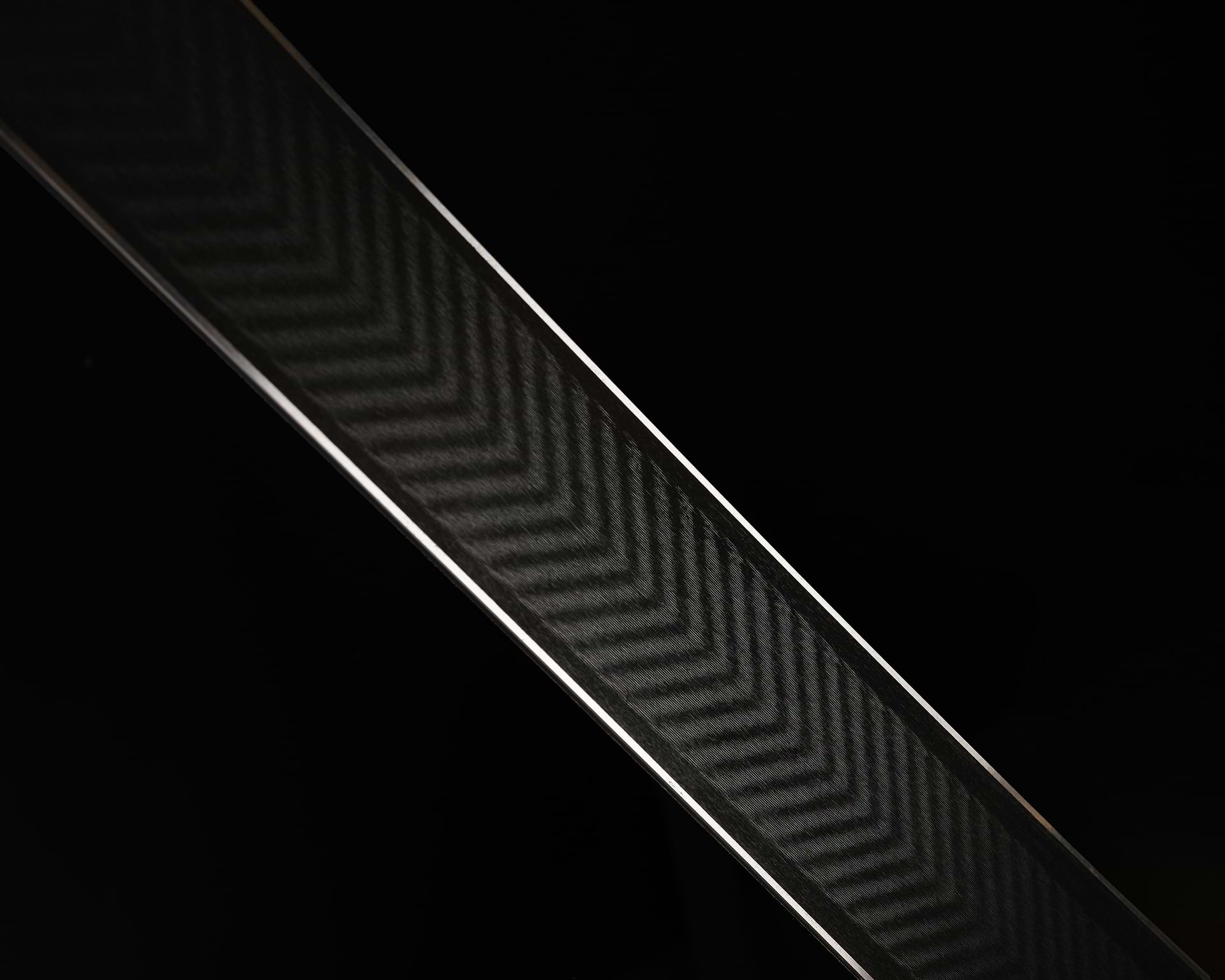
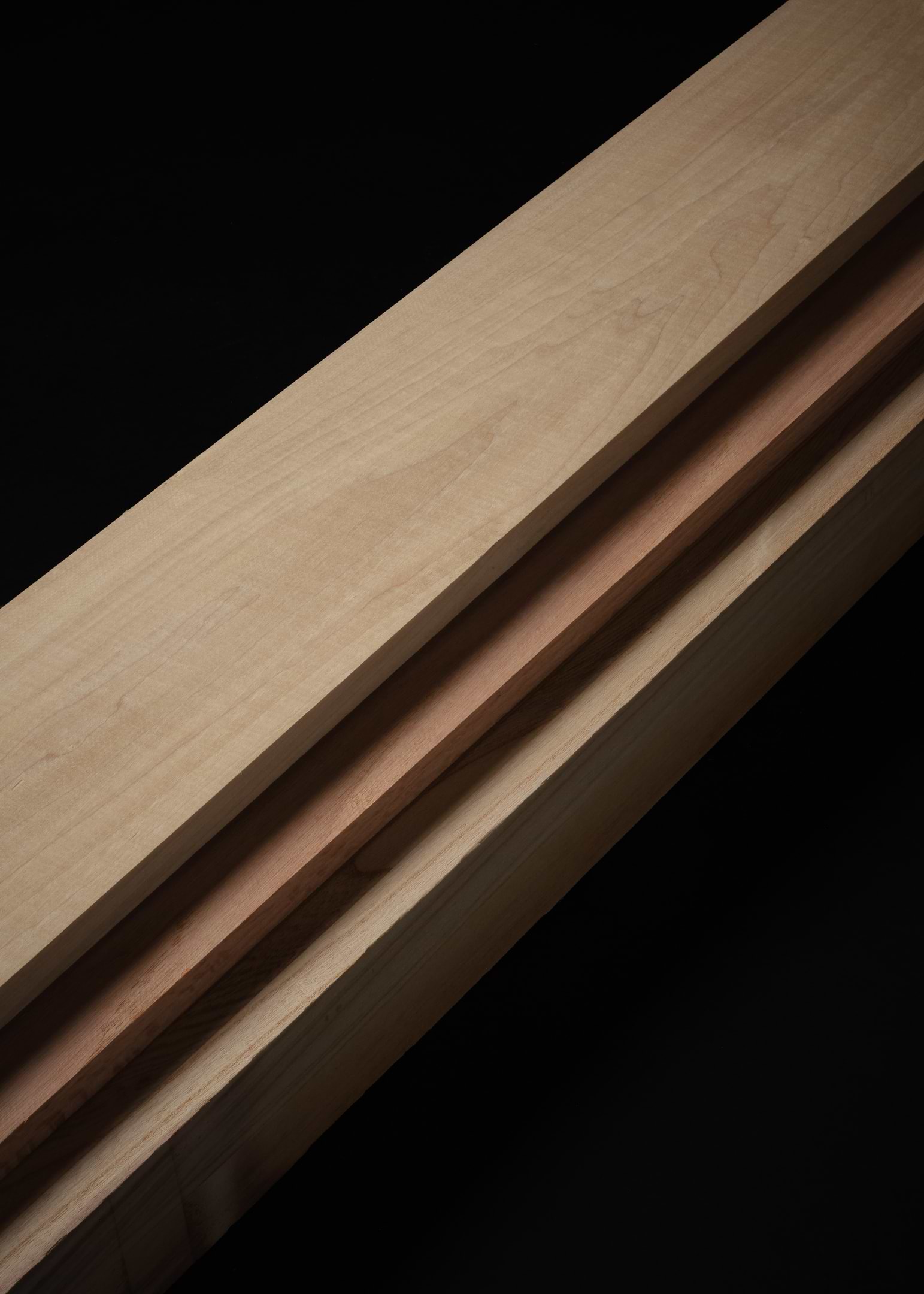
DPS incorporates advanced aerospace-grade carbon fibre as a crucial structural element in their skis.
When DPS Skis announced a partnership with two-time Olympic gold medalist and ski-racing icon Ted Ligety in fall 2024, it was undoubtedly one of the most unexpected collaborations the industry had seen in quite some time.
Renowned for its über-floaty powder skis and emphasis on backcountry adventure, Salt Lake City-based DPS hadn’t previously ventured in earnest into design for the hard-packed snow of frontside resort skiing. So, when the company known for some of the most beloved powder skis on the market decided to create carving skis, it faced a marketing challenge. Who better to partner with than an American ski-racing legend?
DPS incorporates advanced aerospace-grade carbon fibre as a crucial structural element in their skis.
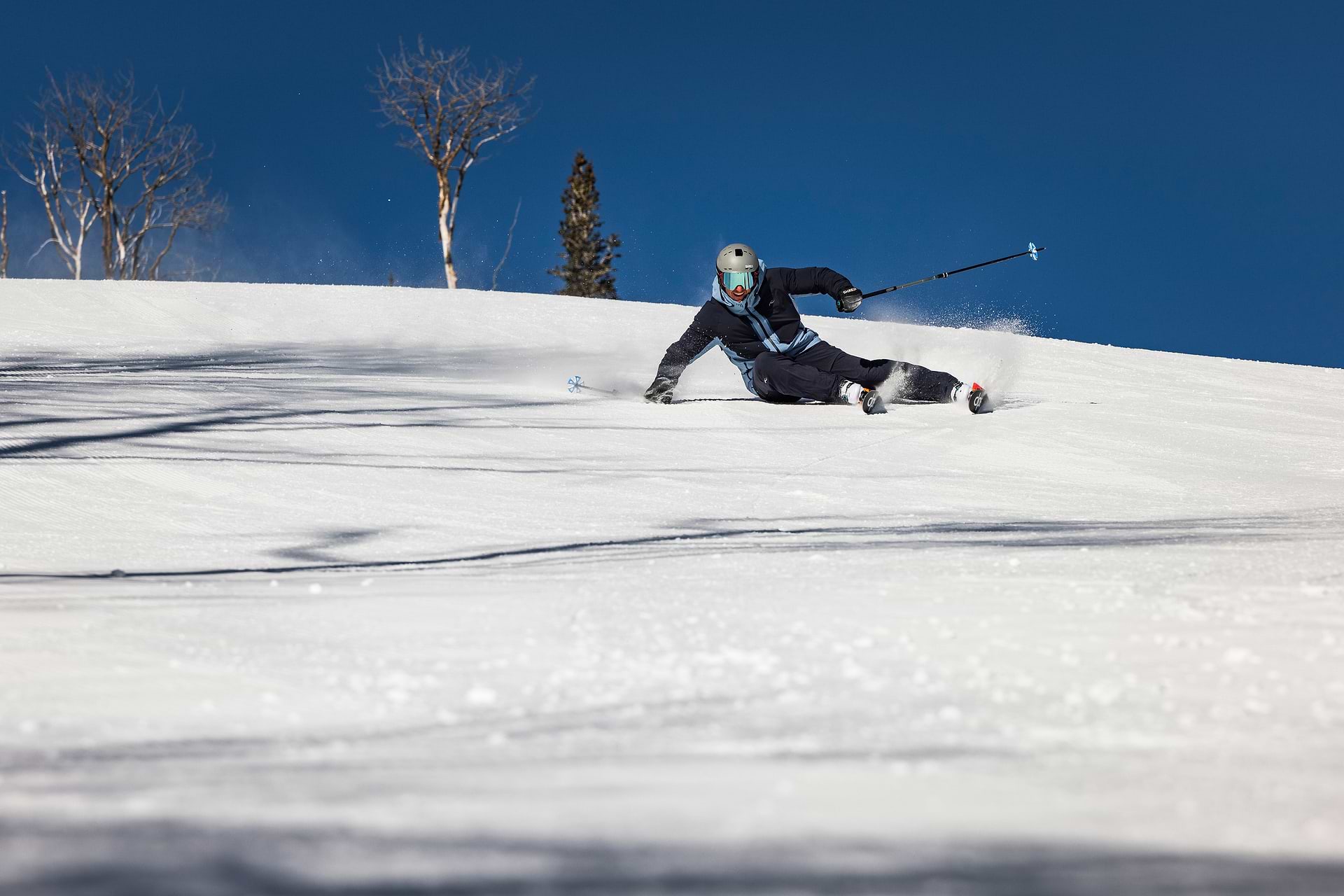
When DPS decided to develop front-mountain skis, they announced a partnership with Olympic champion and ski racing icon Ted Ligety.
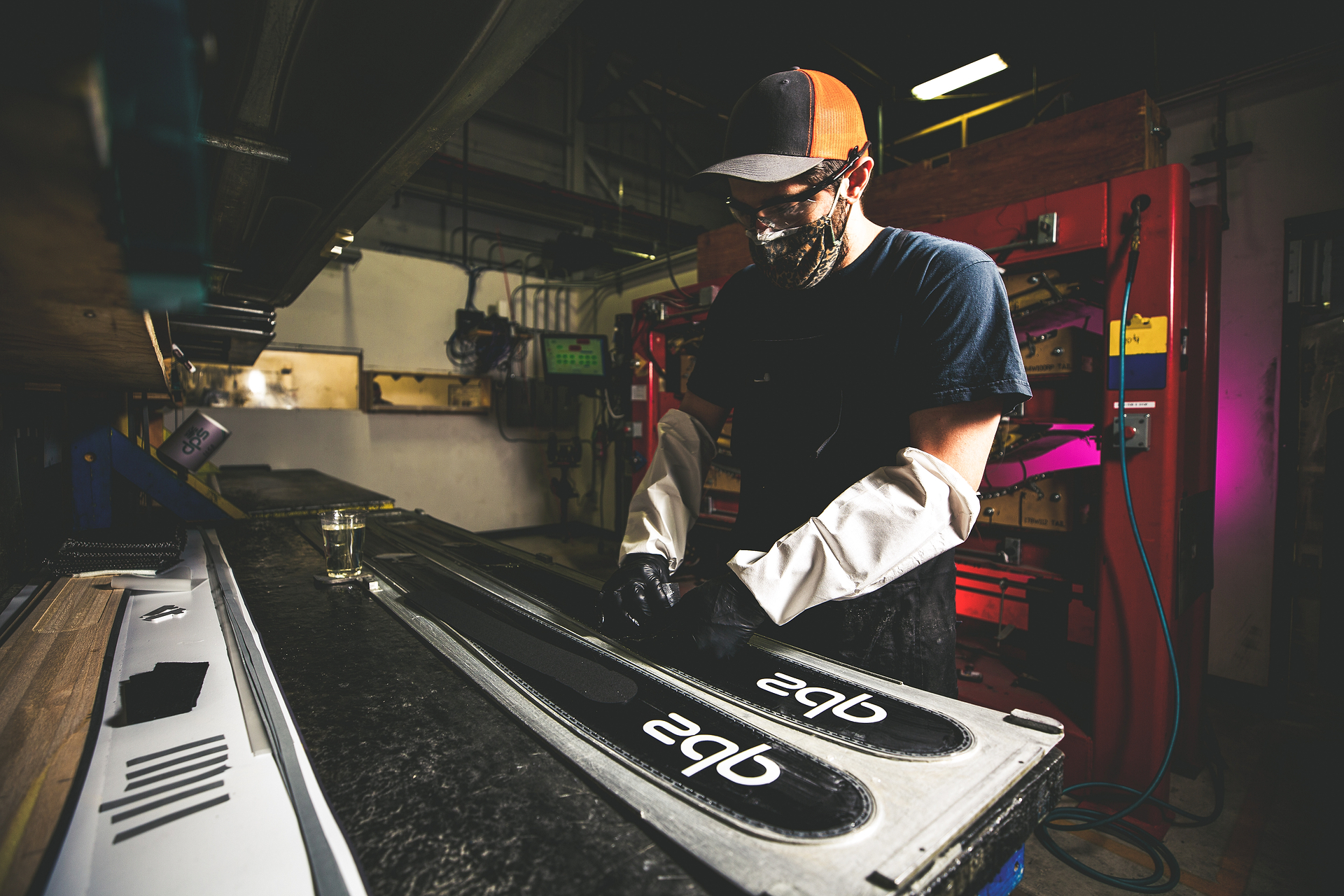
When it comes to high-quality ski manufacturing and top-tier engineering, few brands have a reputation like DPS.
Founded in 2005, the Salt Lake City-based company quickly gained recognition for pioneering the use of premium materials and innovative ideas.
The hands-on partnership formed after Ligety’s initial interest in Phantom Glide, DPS’s invention to replace traditional temporary wax, led him to test a DPS ski, which happened to be the prototype of the now top-selling Pisteworks 79.
“We’d been working on new frontside and all-mountain skis for some time, but Ligety brought some excellent ideas to the table after he was impressed with his first taste of our carbon construction. He isn’t an engineer but thinks and speaks like one. His extensive experience in ski testing and keen perception of materials, shapes, and details add valuable insights and are an amazing addition to our R&D team.”
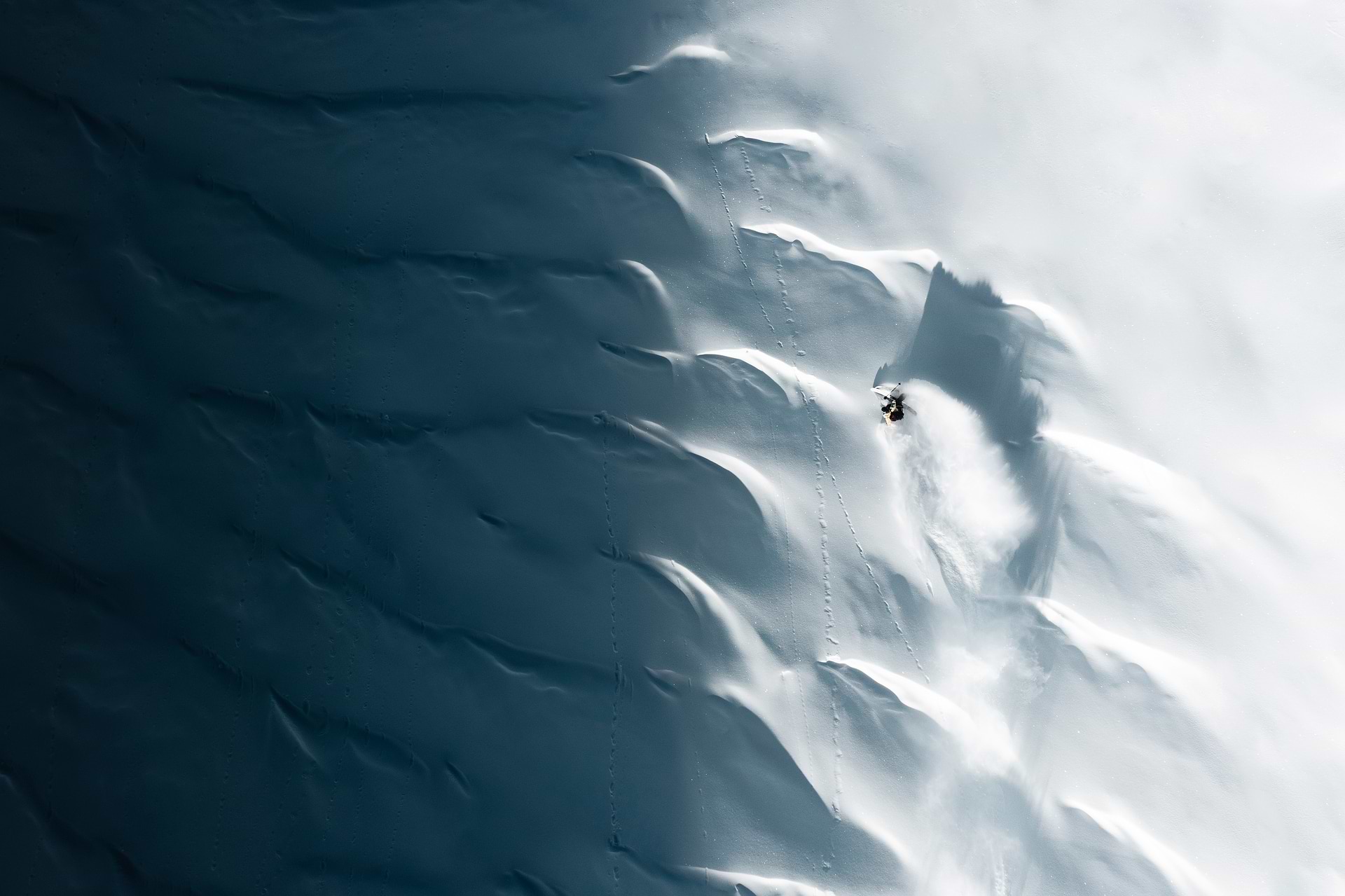
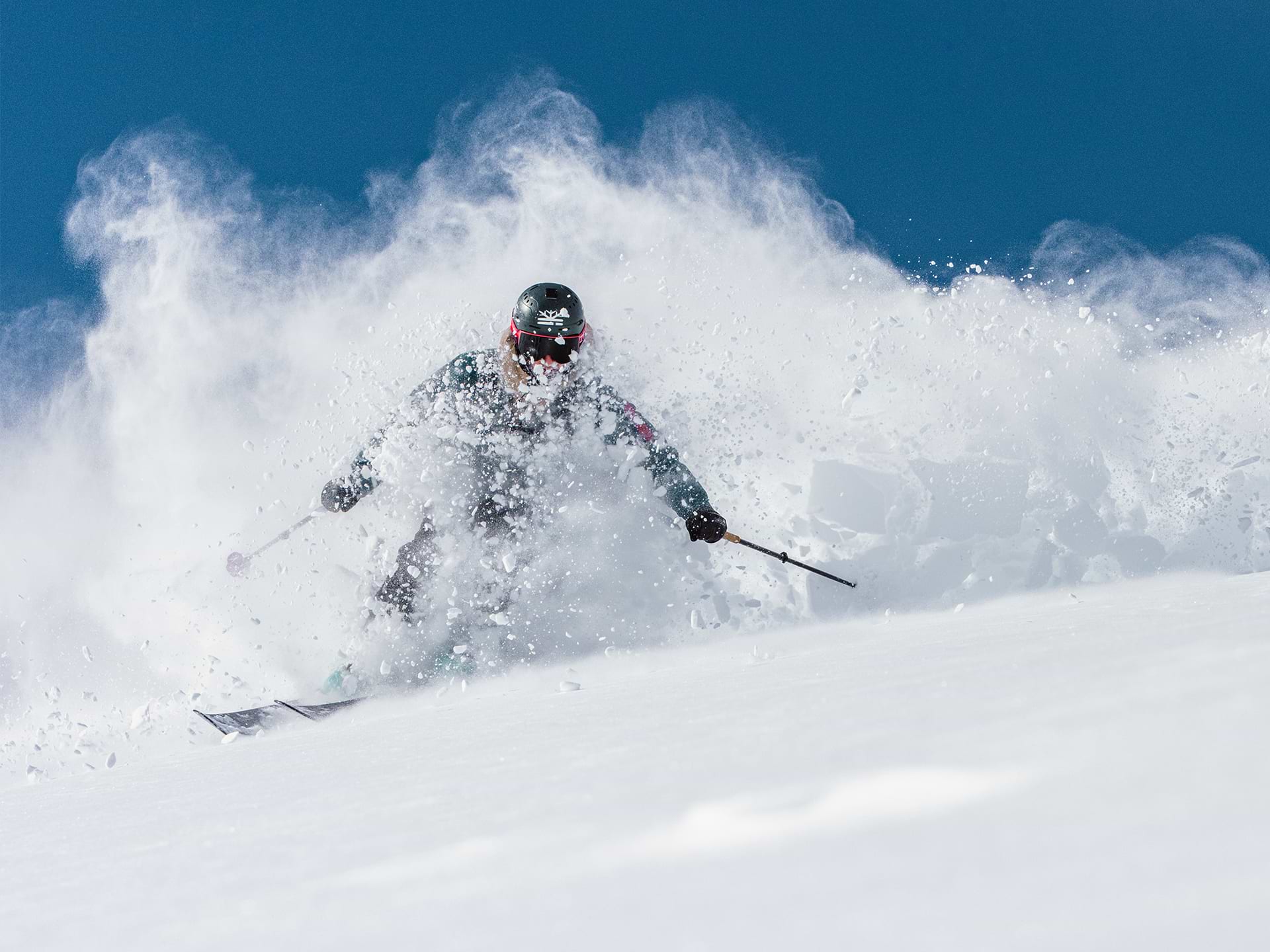
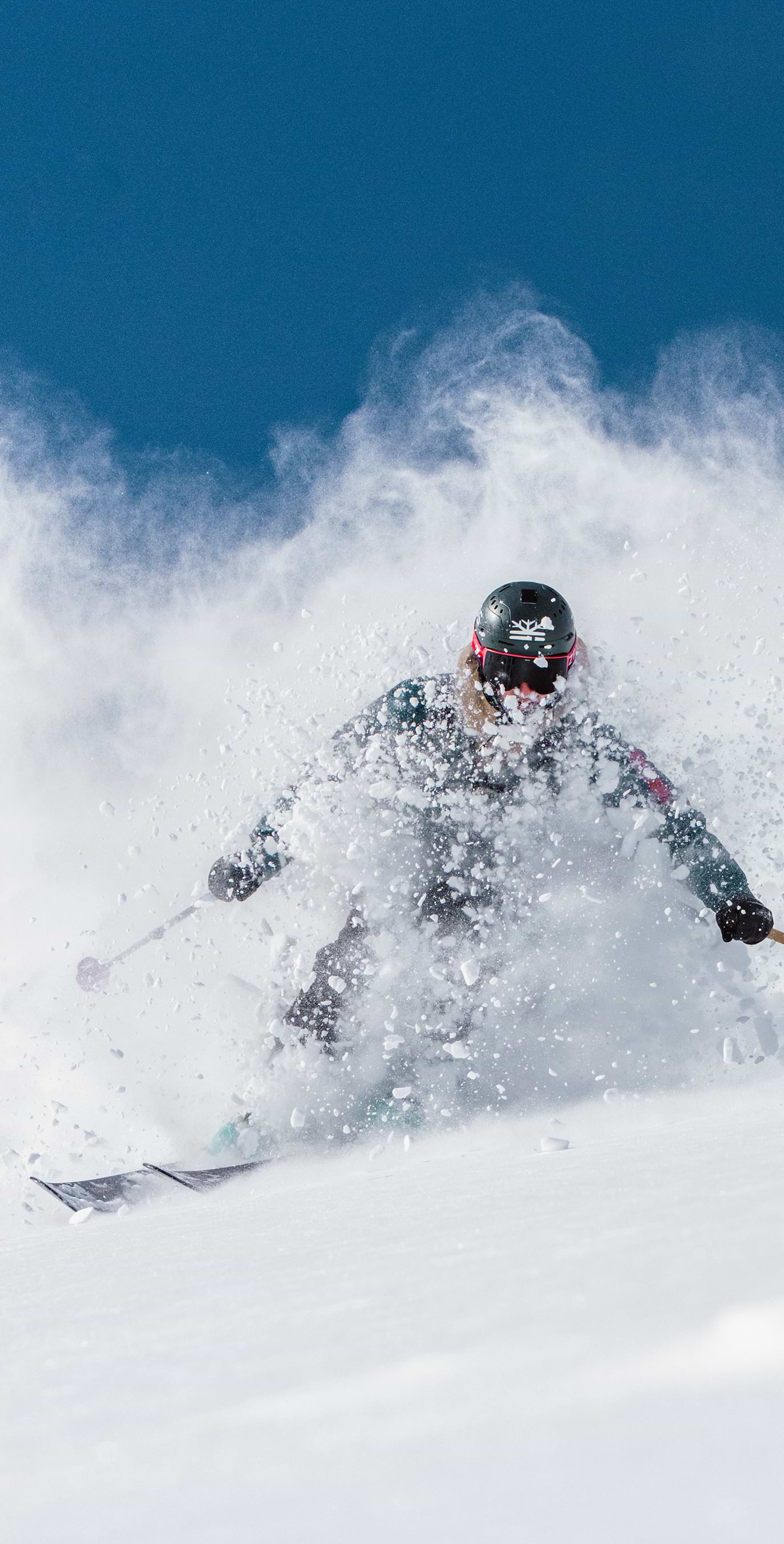
Right from the start, DPS gained a loyal, almost cult-like, global following because of their skis’ exceptional ability to float in powder. Skier: Piers Solomon Location: Engelberg, Switzerland Photo: Christoph Johann
Right from the start, DPS gained a loyal, almost cult-like, global following because of their skis’ exceptional ability to float in powder. Skier: Piers Solomon Location: Engelberg, Switzerland Photo: Christoph Johann
When it comes to high-quality manufacturing and top-tier engineering, few ski brands have a reputation like DPS. Established in 2005, it quickly gained recognition for innovative ideas and pioneering use of premium materials. From the outset, the company aimed to produce high-performance powder skis using advanced carbon fiber technology, at a time when such concepts were uncommon. Some insiders doubted this bold pursuit, but visionary founder Stephan Drake identified a market opportunity for high-performance, wide powder skis, and his enthusiasm soon convinced renowned engineer Peter Turner — who played a key role in creating the Volant Spatula with Shane McConkey — to join DPS, an acronym for Drake Powderworks.
DPS built a loyal, almost cult-like global following among powder skiers due to its skis’ exceptional floatability and its niche positioning. Who can forget the Wailer 112, a groundbreaking rockered ski that remains in the lineup today? Over time, DPS innovations would transform the industry that was initially skeptical of them: introducing the first carbon-sandwich ski, rocker technology combined with sidecut, the first powder pintail, and “Spoon” technology for improved deep-snow performance. DPS’s emphasis on lightweight skis also became a significant trend in the industry.
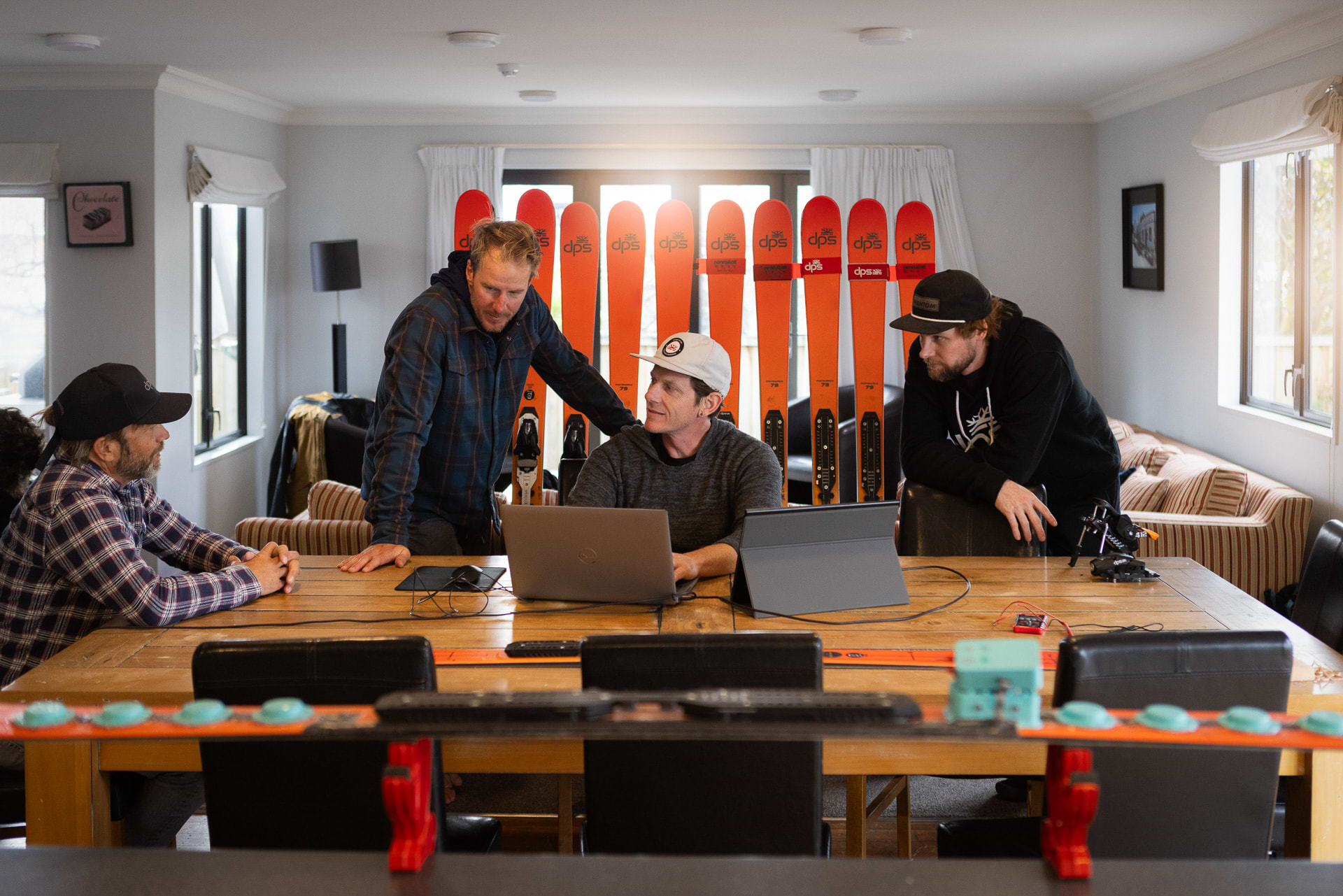
DPS had been working on new frontside and all-mountain skis for some time when Ted Ligety joined the team and brought some excellent ideas to the table.
DPS had been working on new frontside and all-mountain skis for some time when Ted Ligety joined the team and brought some excellent ideas to the table.
Over two decades, DPS rarely produced skis narrower than 100mm underfoot, with the Lotus — a legendary powder ski and first in its quiver — reaching 138mm. Though highly respected among backcountry and powder enthusiasts, DPS was seldom seen elsewhere on the mountain. Naturally, then, devoted fans and industry insiders nearly spilled their morning coffee when news hit of DPS’s carving-ski venture. More so when it was revealed that the Pisteworks eschewed metal, remaining true to the DPS carbon-fiber, wood core vision — a proprietary carbon laminate reinforced with two full layers of multidirectional carbon fiber that provides the strength, stability, and edge hold typical of a metal ski while offering a lively, responsive ride.
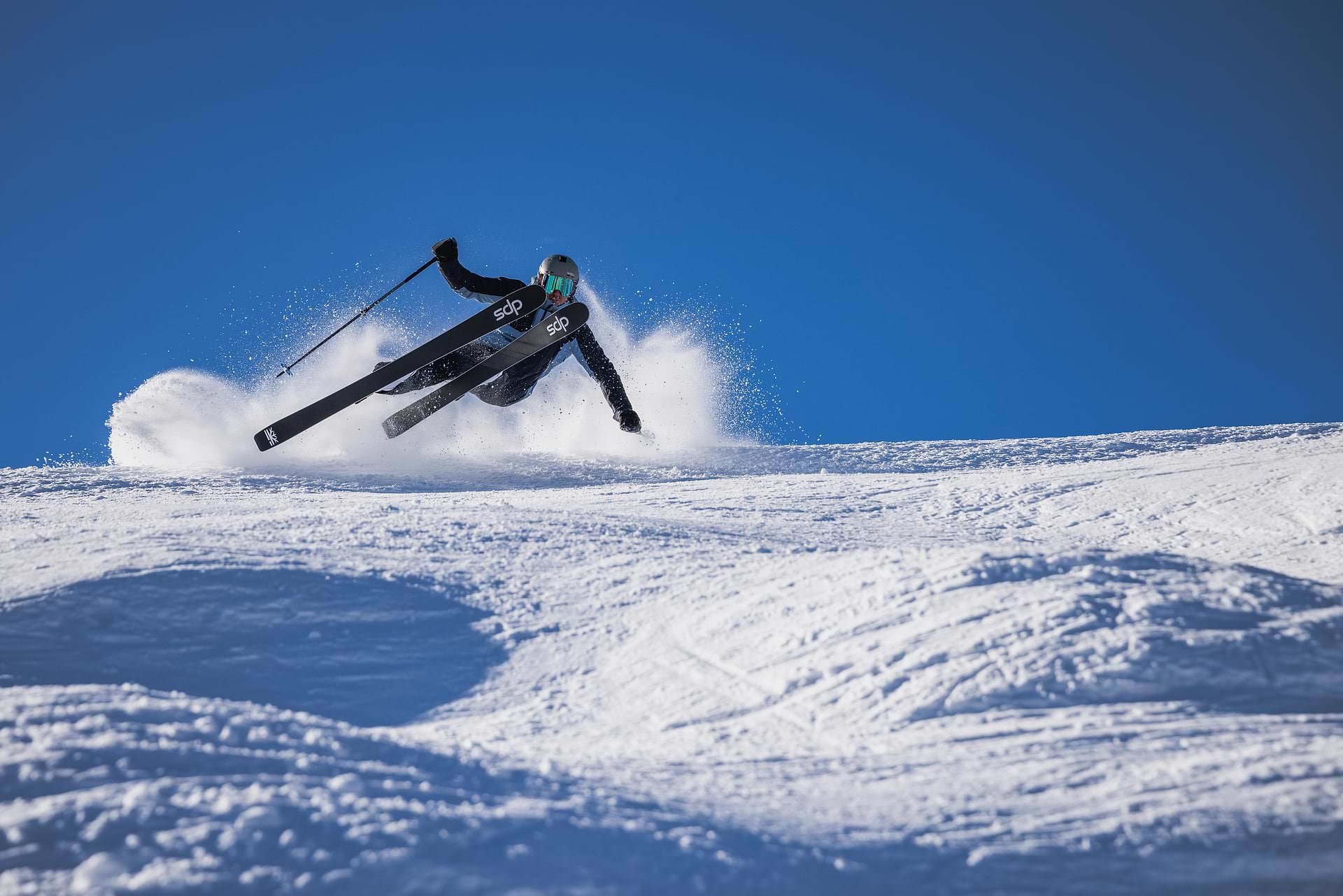
The hands-on partnership formed after Ligety’s initial interest in Phantom Glide, DPS’s invention to replace traditional temporary wax, led him to test a DPS ski, which happened to be the prototype of the now top-selling Pisteworks 79.
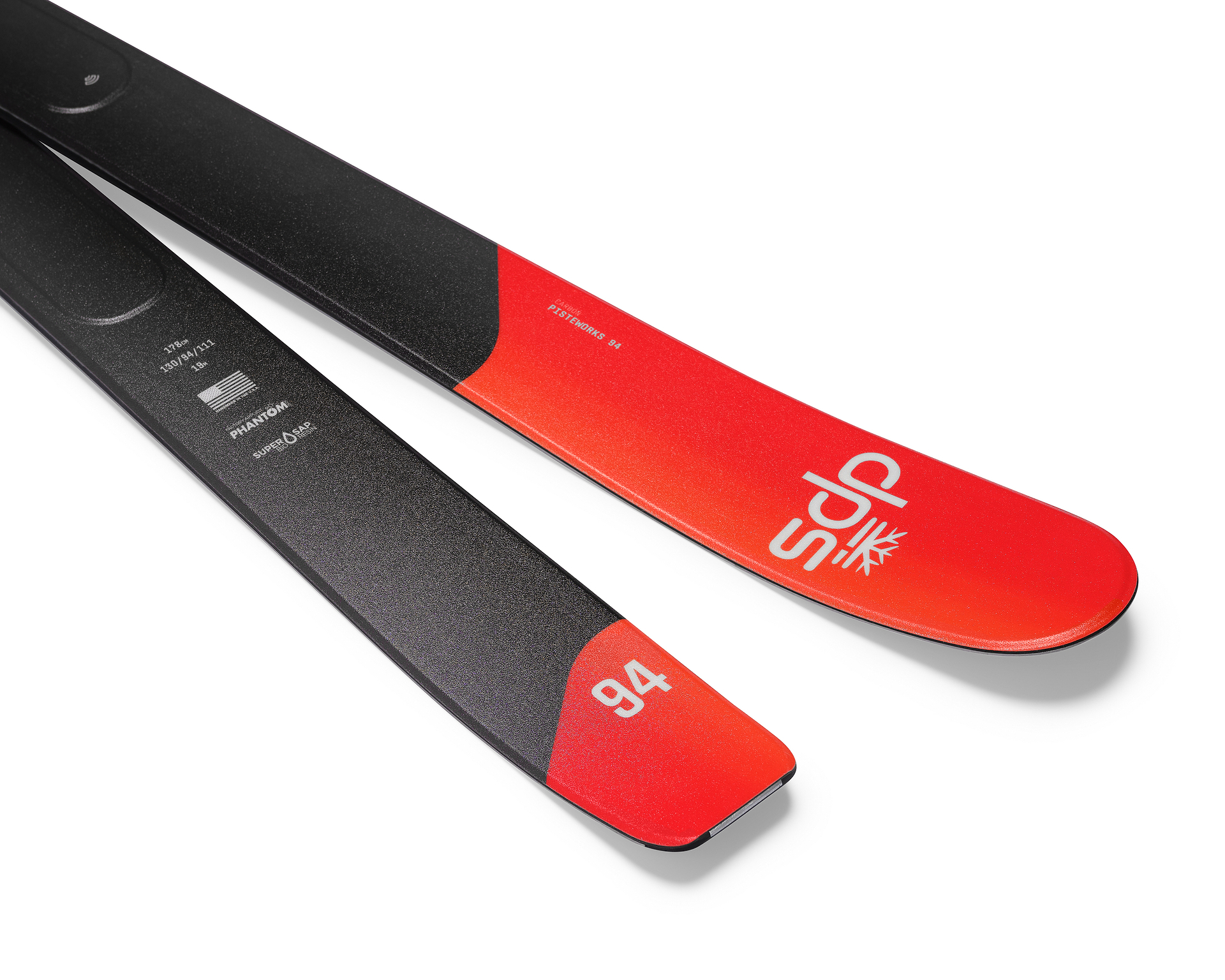
The Pisteworks line, especially the 79 and 94 models, is being hailed as a significant achievement for the company, redefining the carving ski market with its innovative full-carbon fibre construction rather than traditional metal.
The Pisteworks line, especially the 79 and 94 models, is being hailed as a significant achievement for the company, redefining the carving ski market with its innovative full-carbon fibre construction rather than traditional metal.
To achieve this, DPS launched a comprehensive overhaul of its design strategy, aiming to understand what enhances skier confidence on metal skis and why that material is typically considered essential for on-piste performance. The result? Carbon-fiber Pisteworks models, which now fill a gap in the DPS offering, have been warmly received.
While many identify as backcountry skiers, not every day provides perfect powder conditions. In many parts of the world, skiers opt for skis 70 to 100mm wide and spend most of their time skiing everything except powder. “We’ve always focused on the mystery of sliding across deep snow, but honestly, we were missing a big chunk of the market by not offering frontside carving skis earlier,” says Zach Clayton, DPS Global Marketing Manager, noting that a year after launch, the Pisteworks line accounts for a third of company revenue.
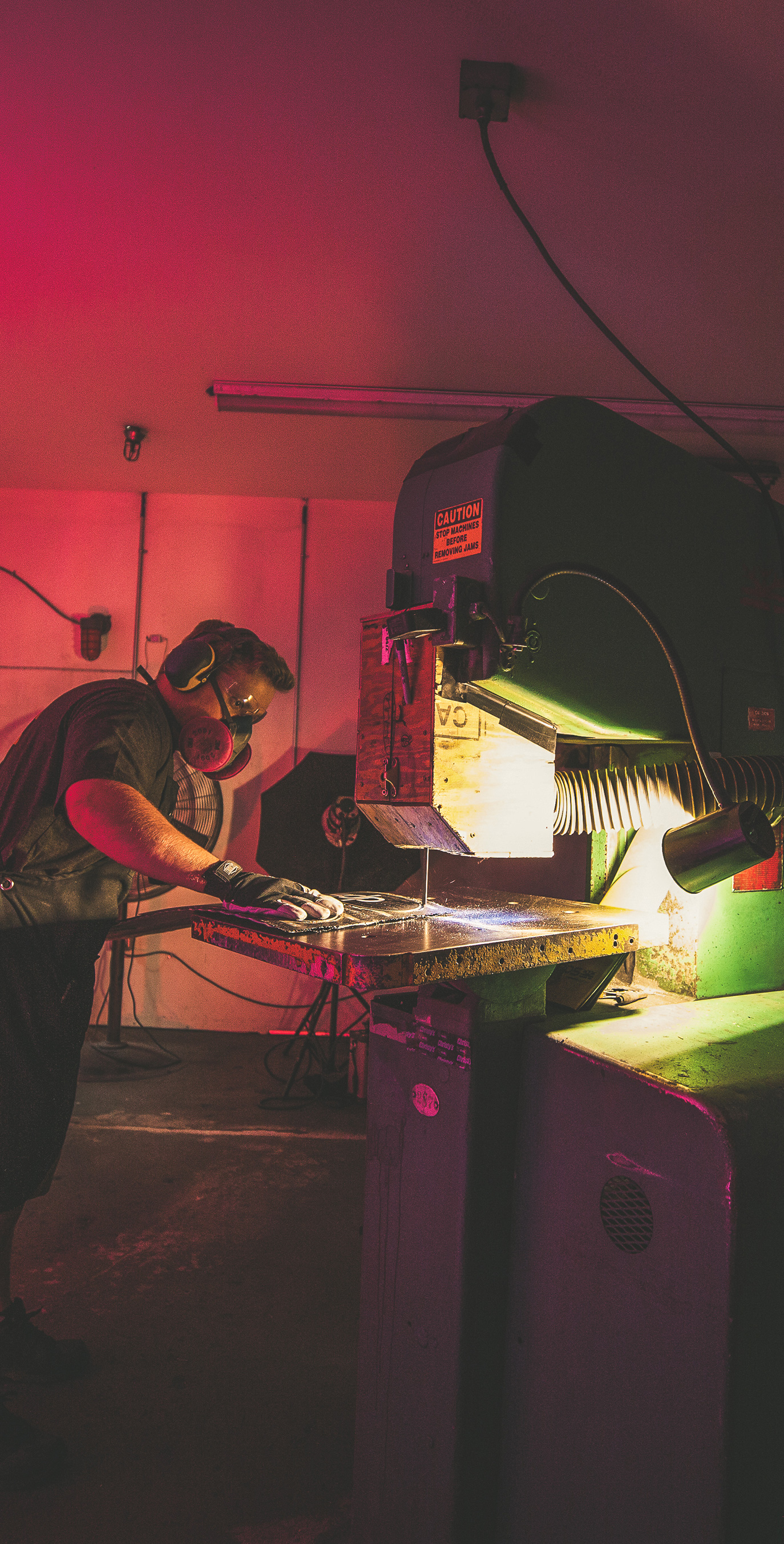
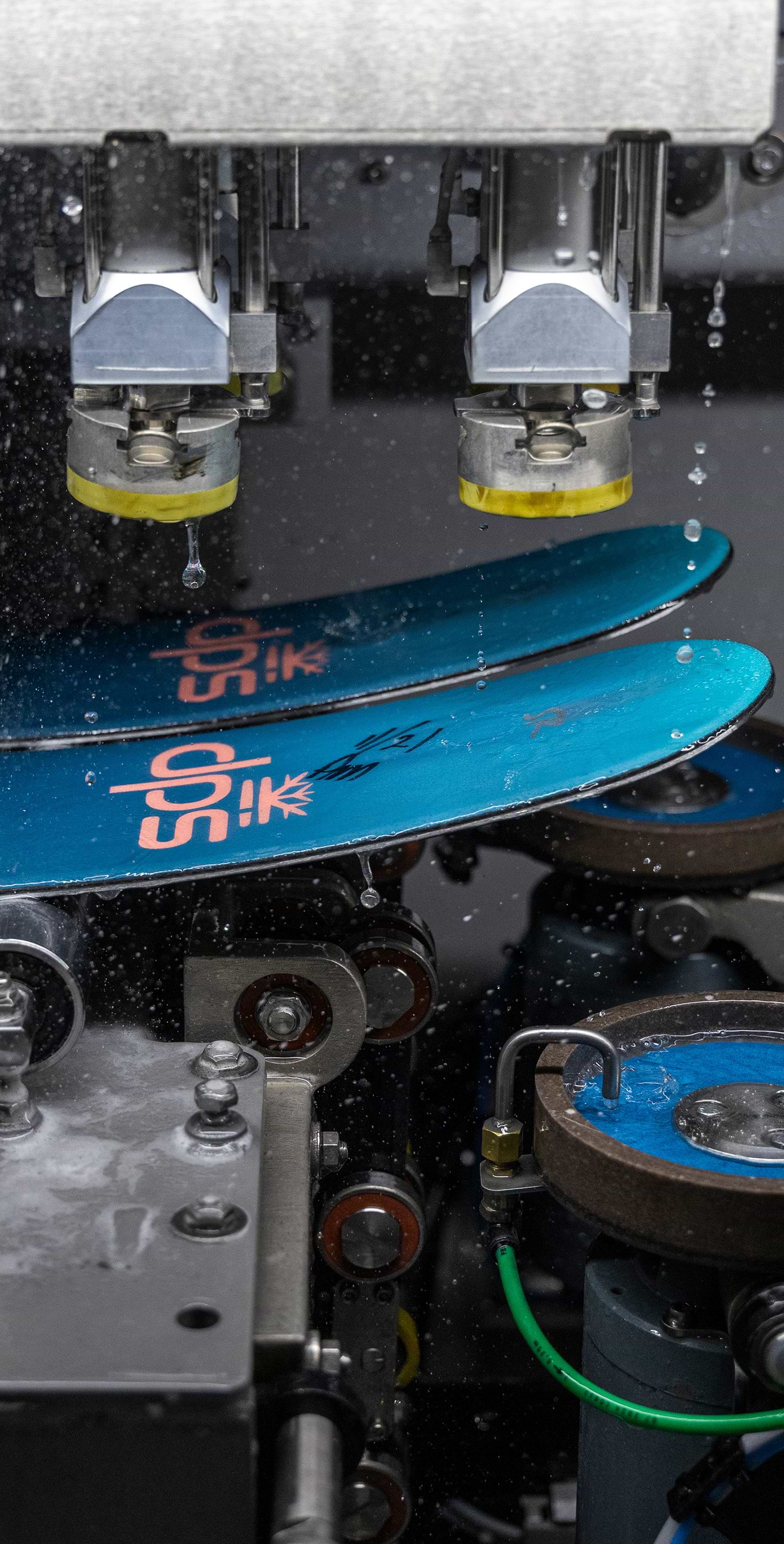
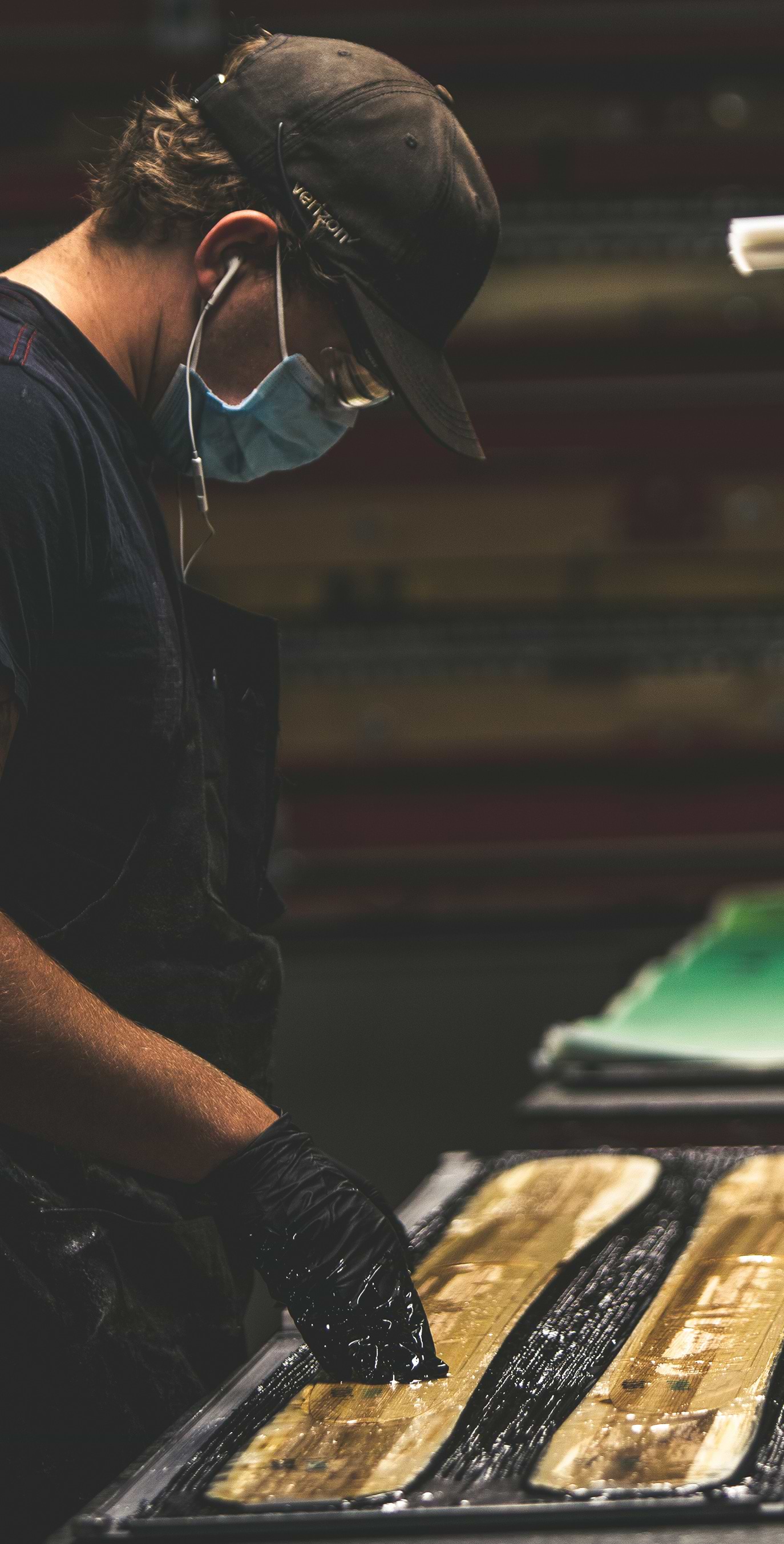
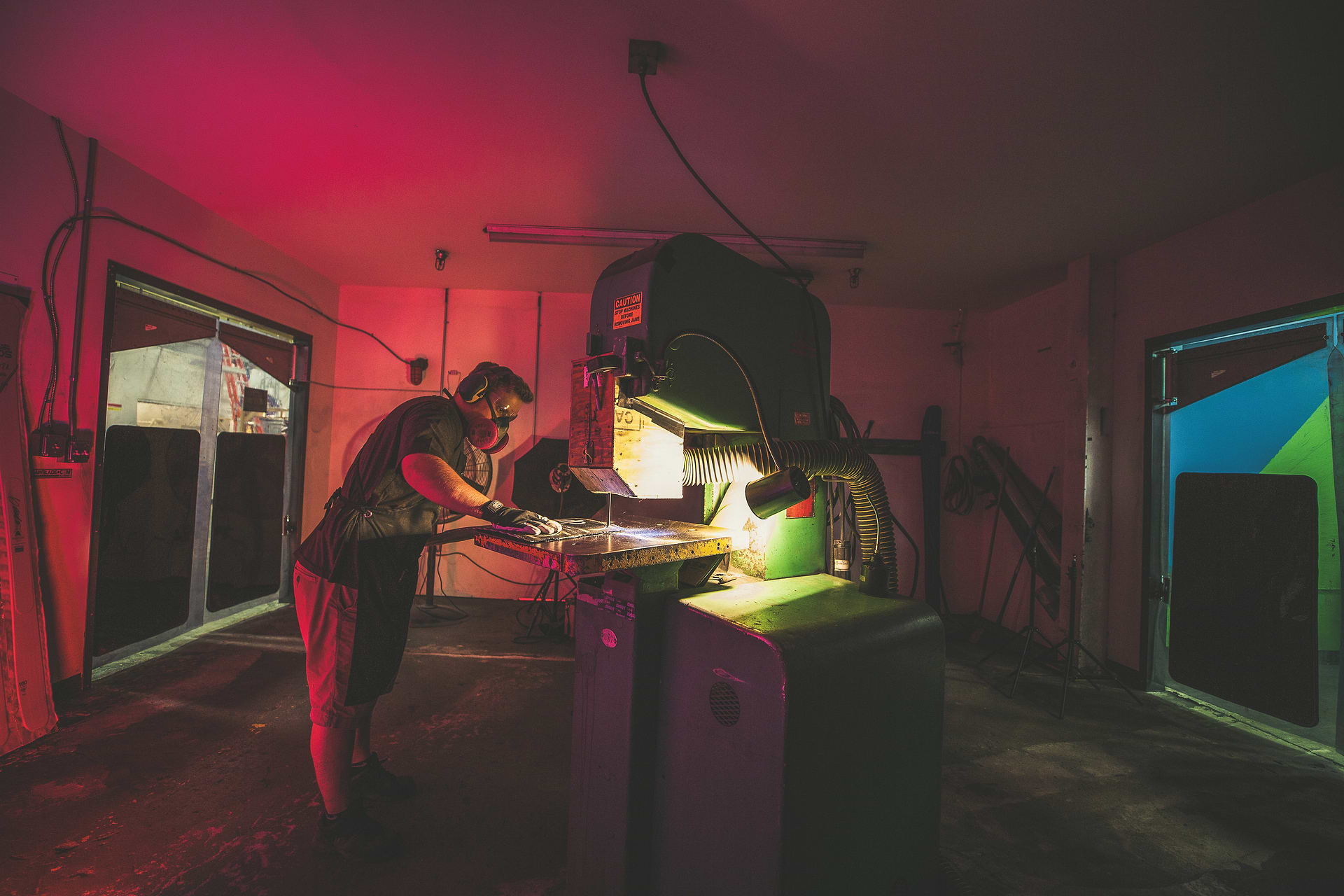
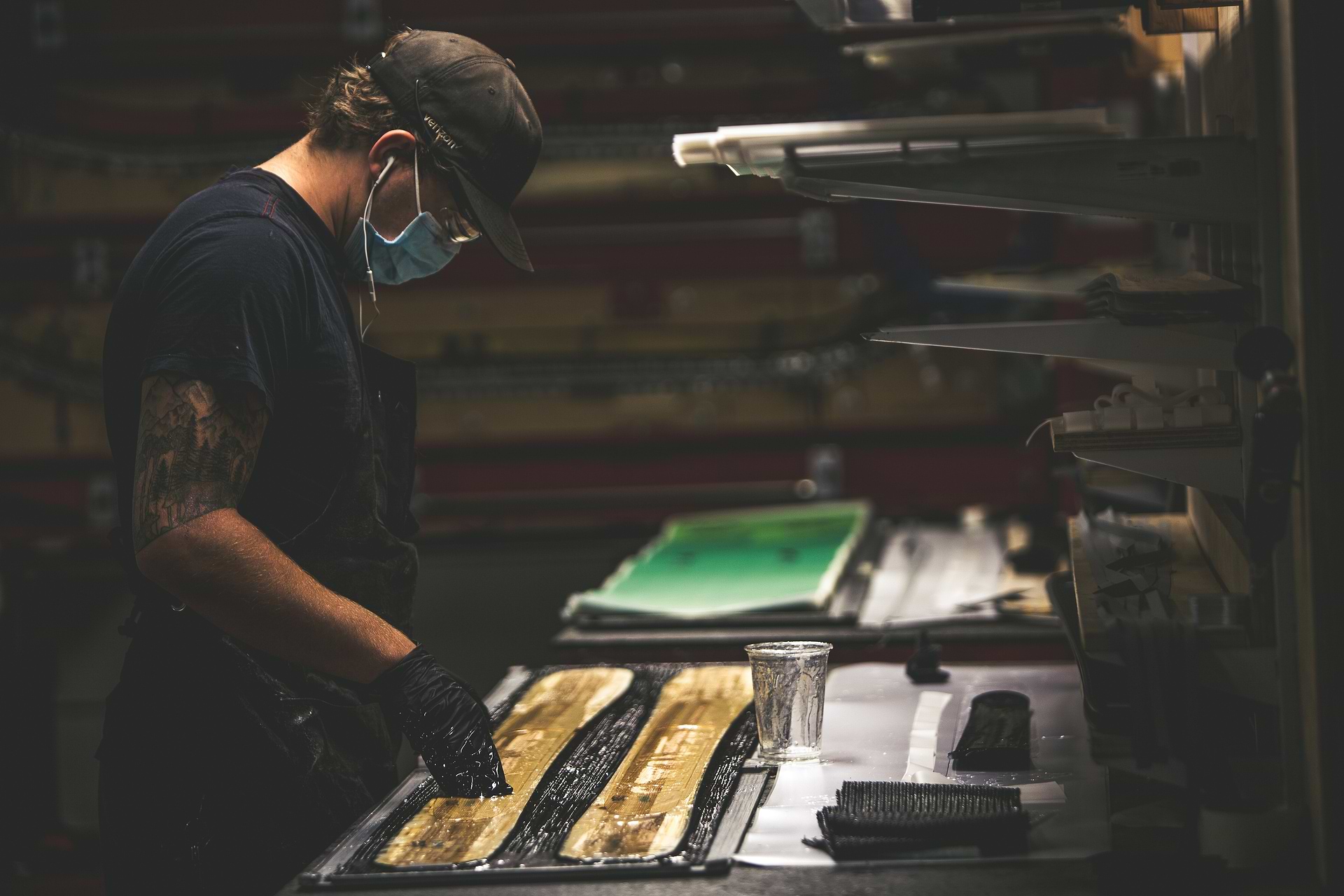
Like most ski companies, DPS doesn’t publicly disclose production numbers. Still, based on revenue, it’s among the largest ski companies with manufacturing in the United States. While much smaller than major European brands, DPS employs 50 production staff at its Salt Lake City factory, where it produces all its ski models, while the office above houses 15 employees working in R&D, design, marketing, and sales. Gathering all functions under one roof not only makes for a lean operation but also offers a significant additional benefit. “In just a couple of days, we can design a ski, create a prototype, test it in the Wasatch Range, and make large or small iterations on the spot. That’s pretty unique for a ski company anywhere,” says Laakso.
Renowned for its skis, DPS is also recognized for its high price point. Most models retail over US $1,200, with some reaching nearly US $2,000 — making them among the most expensive skis on the market. “We chose the absolute best materials, which are not always the cheapest option, and acknowledge our skis as a result aren’t inexpensive,” says Clayton. “[So] it’s important to show customers why they’re worth the investment.”
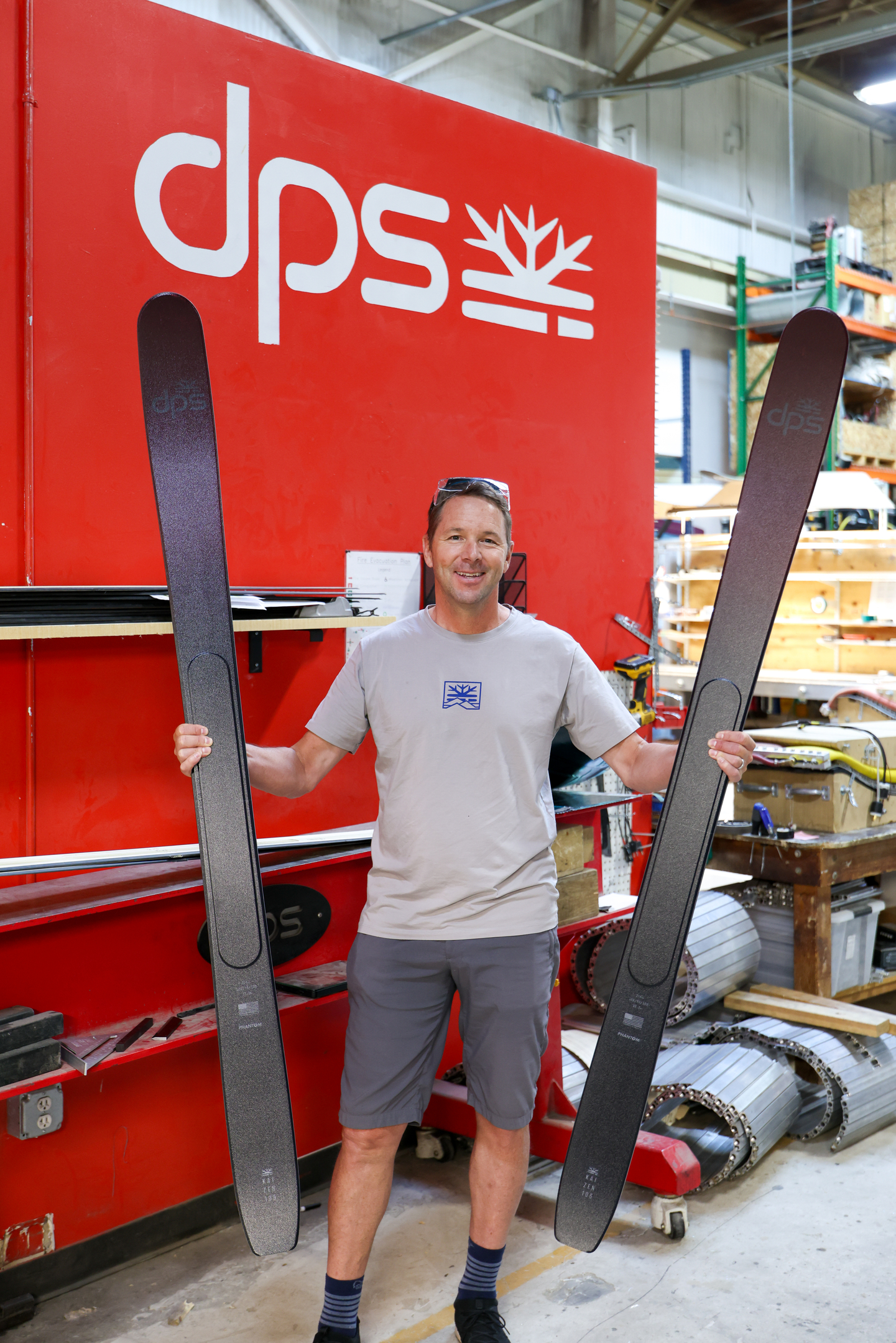
Freeskiing legend and guide Chris Davenport joined DPS in August 2025, taking on the role of Head of Ambassador Relations and Field Testing, as well as community-building initiatives and shaping future ski designs.
A decade after its release, “Sun Dog,” starring skier Santiago Guzman and his dog Conga, filmed at Refugio Frey in Patagonia, Chile, remains one of the finest short films in snowsports. Directed, filmed and edited by Ben Sturgulewski.
One essential factor is longevity; all DPS skis come with a lifetime warranty and can last 6, 7, or even 8 years, even with hard skiing, thanks to their carbon-fiber construction, which endures well over time. As proof of their durability and in support of sustainability efforts, if you’re seeking a change, the Revive program allows you to trade in older skis for credit toward a new pair; the used boards are then refurbished and resold at a lower price.
For many followers, DPS conjures more than just product. Skiers fondly recall the brand’s “Shadow Campaign” series of short films. Beginning in 2014, along with skilled filmmakers like Ben Sturgulewski and Frank Pickell, the DPS team travelled globally to craft engaging stories about lesser-known ski spots and characters. Classics such as “Snowflake”, “Sun Dog”, and “The Weight of Winter” remain some of the finest short films in snowsports. “This is a beautiful legacy of the brand’s history and, given that point in time, another example of how we go about doing things differently,” says Laakso.
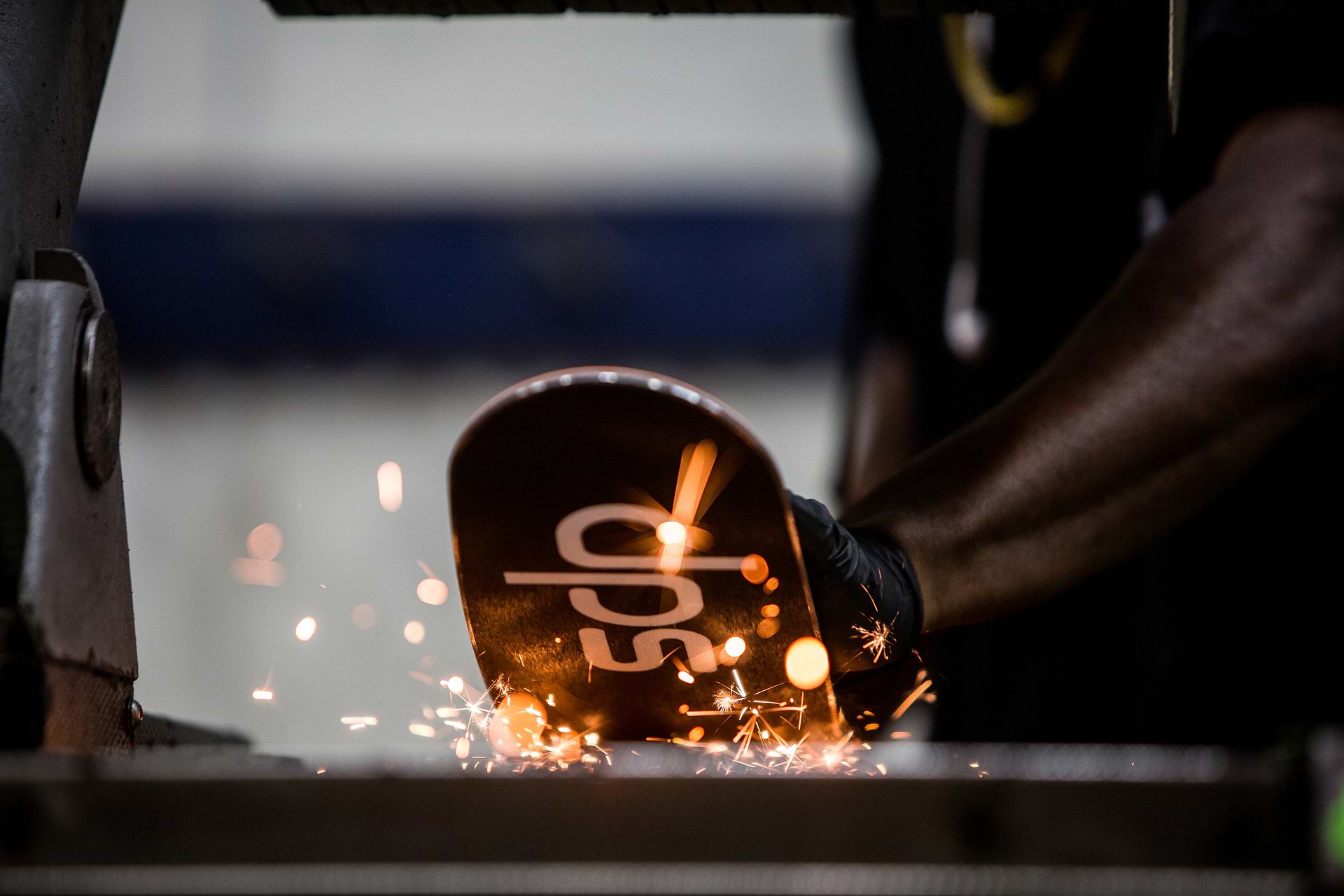
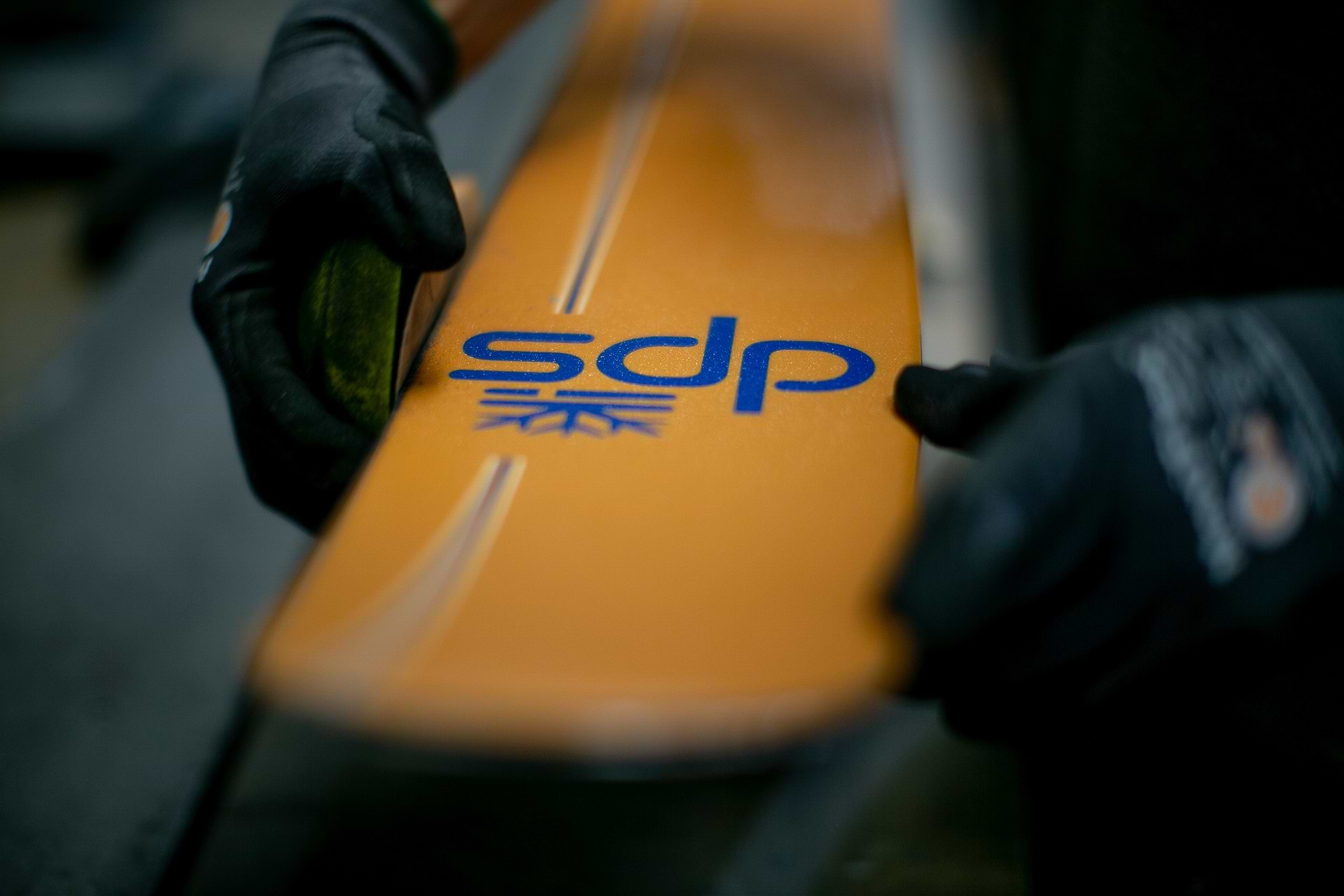
While Ted Ligety might have been an unprecedented addition, bringing renowned freeskier, guide, and ski-mountaineer Chris Davenport on board was more in line with DPS’s core image. After independently choosing to ski with DPS the previous winter, he officially joined the team in the summer of 2025. Besides acting as a brand ambassador, Davenport now manages athlete relations and community activities for DPS, working closely with the design team, especially on touring and powder skis. “It’s very inspiring to collaborate directly with the team in the Salt Lake City factory,“ says Davenport. “The pride in craftsmanship is exceptional, and it’s remarkable how many hands are involved in every ski that leaves the factory.”

MATTIAS FREDRIKSSON is a photographer, journalist, and editor-in-chief for Interstellar. For almost 30 years, Fredriksson has documented ski and mountain bike cultures globally. He is a veteran adventure photographer with over 500 cover shots to his name and impressive longevity in the outdoor space. Fredriksson continues to contribute to many publications and photographs global campaigns for commercial clients. He lives in Terrace, British Columbia.
RELATED STORIES